

Wholesale Vibration Plate Buying Guide for Fitness Retailers and Gym Owners
2026-11-01
Most wholesale vibration plate guides tell you what to buy; few tell you what to avoid. If you run a fitness retail business or own a gym, a bad bulk order isn't just lost revenue—it's a room full of returns and warranty headaches. That's exactly why XINGBU built this no-nonsense buying guide: to help you compare real specs, skip the marketing fluff, and stock machines your clients will actually come back for.
What Actually Happens to Cheap Motors After Six Months of Studio Use
Six months in, the budget-friendly motors we tossed into the studio rig have started to show their true colors—literally. The smooth, quiet hum from week one is gone, replaced by a gritty whine that sneaks into every vocal take. Open one up and you'll find brass bushings worn into ovals, shafts scarred by heat, and grease that's turned to a sticky paste. It's not just noise: speed consistency drifts under load, so cue points land a few frames off, and that once-snappy reverse play now stutters like an old tape deck. For a home setup, fine. For daily studio work, the charm wears off before the first service window.
The Minimum Order Quantities That Make Freight Costs Disappear
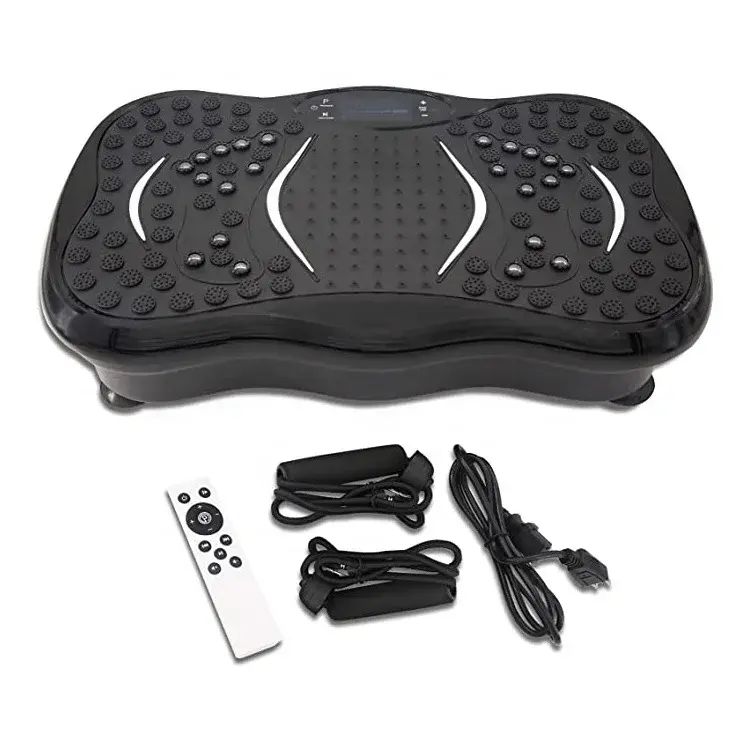
Most suppliers quietly embed freight into the unit price until your order crosses a certain threshold. That threshold is rarely fixed—it moves with shipping routes, container space, and how eager the warehouse is to clear inventory. Once you hit the right number, the line item for freight simply vanishes from the quote, and the per-unit cost drops as if the distance no longer exists.
The trick is to find where the freight gets absorbed without inflating your storage costs. A common breakpoint sits around a full pallet or a half-container load, because carriers charge by volume tiers rather than by intent. If you land just below that tier, you pay for air you didn’t use. Push the order slightly higher, and the carrier’s fixed handling charge spreads so thin that the supplier can afford to call shipping “free” without actually losing money.
Savvy buyers treat the minimum order quantity as a negotiation lever, not a rule. Ask what quantity turns the freight line to zero, then compare it to your sell-through rate. Sometimes ordering twenty percent more than planned erases a shipping fee that would have cost more than the extra stock sitting for six weeks. That is how freight costs disappear: not by magic, but by matching your order to the carrier’s least painful tier.
Warranty Fine Print You Should Push Back On Before Signing
Dealers love to bury clauses that quietly shift costs back to you. Look hard at any language that limits coverage to "original factory defects only" or requires all maintenance to be done at their shop using their parts. That's a trap—it lets them deny a claim because you changed your own oil or used a reputable independent mechanic. Push back by asking them to strike those restrictions in writing before you ever pick up a pen.
Another favorite trick is a deductible that appears only in the fine print. You sign thinking the warranty is bumper-to-bumper, but then a transmission failure hits and you're suddenly on the hook for the first $500 or $1,000. Some contracts also prorate coverage after a certain mileage, meaning the warranty pays less and less as the car ages. Insist on a zero-deductible clause and flat coverage for the full term, or walk away.
Watch for exclusions that sound harmless but aren't. "Seals and gaskets" often get left out, yet those are exactly what leak and cause expensive engine damage. "Normal wear and tear" is another vague phrase they use to deny brake, clutch, or suspension claims. If they won't remove those phrases, get them to define exactly what remains covered in plain English—then keep that signed copy in your glove box.
How to Match Amplitude and Frequency to the Clients You Actually Train
Most programs pull amplitude and frequency from a chart, not from the person standing in front of you. A client with a stiff ankle and a 60-hour desk job will not respond the same way to deep squats three times a week as a former gymnast with full hip flexion. Start by watching how far each joint actually moves under load before you decide range of motion. If their heel lifts in a bodyweight squat, forcing a full-depth barbell squat is programming theater. Trim the amplitude to the point where control holds, then build from there.
Frequency works the same way. Two hard lower-body sessions might be perfect for a 24-year-old who sleeps nine hours and eats enough, but it buries a 45-year-old parent training after interrupted sleep. Match training frequency to recovery signals, not to the split you saw online. Look at grip strength, resting heart rate, or how they feel on the first warm-up set. If output drops more than ten percent, cut a session. If they come in fresh and ask for more, add a light accessory day.
The real skill is adjusting both variables together. A client who can handle high frequency often needs shorter amplitude at certain joints to avoid joint wear. A client who moves through a large range beautifully might need an extra rest day between exposures. Watch their movement quality on the last set, not just the first. That tells you whether the dose is right.
Packaging and Crate Design That Prevents Damage Before It Starts
Most transit damage isn't caused by a single catastrophic drop—it accumulates through vibration, shifting, and weak load transfer long before a crate hits the ground. A well-built crate starts by analyzing the product's center of gravity and potential stress points. Instead of relying on loose fill that settles, we map out the exact contact areas and use rigid blocking to keep the item suspended in place from the moment the lid goes on.
The difference often comes down to the details that never show up in a standard spec sheet. Dense closed-cell foam inserts can be CNC-routed to match irregular shapes, while breathable barrier films stop humidity from weakening corrugated corners. Diagonal bracing inside the crate channels lateral force away from fragile edges, and strapping anchors prevent the product from creeping during multi-leg freight journeys. These choices matter more than extra wall thickness.
Effective protection also means knowing when to add restraint rather than more cushioning. A heavy machine tool may need steel-to-wood fastening plates, while a delicate lab instrument might call for low-frequency shock mounts instead of thicker foam. Testing the assembled crate with a short vibration cycle before shipment catches load shifts that visual inspection misses. That pre-emptive check turns packaging from a hopeful guess into a controlled, repeatable system.
White-Label and Custom Branding Options Most Suppliers Won't Mention
Most catalogs show a supplier's logo on every product, but quite a few will ship the same items with no branding at all if you simply ask. The catch is that this option lives in a gray area: it might require a larger first order, a small setup fee, or an extra week for repackaging. Still, it's worth pushing for because a plain product lets your own packaging, insert cards, and voice do the talking.
Beyond unbranded stock, some suppliers can add your logo, change color accents, or print custom sleeves—yet they rarely mention these services on a public price list. You often need to request a "private label" or "OEM" conversation directly. Ask about one-time tooling costs, minimums per variant, and whether they'll keep your custom design exclusive for a set period. If a supplier hesitates to discuss these details, that itself is useful information about how flexible they'll be later.
FAQ
The first thing I'd verify isn't the marketing sheet—it's the actual duty cycle and whether the motor is rated for continuous commercial use. Many plates marketed for gyms are just home units with a heavier flywheel. Ask for the manufacturer's testing data under sustained load, not just peak wattage. If a supplier hesitates to share that, walk away.
Oscillating plates are easier on joints and generally suit older clients or rehab settings, while vertical plates transfer more force and appeal to athletic performance buyers. For a general fitness retail floor, tri-planar machines can cover both but add cost and service complexity. Look at who actually walks into your store or gym—if you mostly sell to active adults and trainers, prioritize vertical; if you have a rehab or wellness crowd, keep oscillating stock deeper.
Freight is just the start. You'll likely face pallet fees, warehouse unloading charges, possible customs inspections, and replacement parts you should keep on hand for warranty work. Also factor in the cost of bench testing a sample from each batch, because quality can drift after the first production run. I've seen gym owners lose more on returns and downtime than they saved on a cheap unit price.
Yes, but don't just look for a CE mark on the housing. For North America, check for ETL or UL listing on the electrical components, and ask for RoHS compliance if you're importing from certain regions. For gym use, the safer choice is a plate with an emergency stop button and an auto-shutoff after a set time. If the supplier can't produce current certificates with matching model numbers, treat that as a red flag.
Ask for a video of the unit running with a digital tachometer or accelerometer showing actual frequency, not just a spec sheet. Amplitude is often exaggerated because there's no standard measurement point. Request the test conditions: load on the plate, sensor placement, and whether the machine was on a solid floor. If you're buying a container, it's worth flying to the factory or hiring an inspector to verify these numbers across a random sample.
Don't anchor your pricing to consumer marketplaces. Gym owners think in cost per square foot and member retention, so show them how a reliable plate can replace multiple single-purpose machines. For home users, bundle in a shorter warranty and simple setup guide to justify a lower price. Keep enough margin to cover at least one in-warranty service call per unit, because vibration plates do get abused.
Lock in a defect rate threshold—usually under 2% for sealed units—and specify who pays for replacement shipping. Also require the supplier to hold spare parts inventory for a set number of years, not just the warranty period. A clear clause on batch consistency is valuable too, because a second run can arrive with different paint, different bolts, or even a different motor controller. If the contract is vague, assume the risk lands on you.
Conclusion
Most gym owners discover too late that budget-friendly vibration plates hide their real costs in the motor. After six months of continuous studio use, cheap motors start overheating, losing amplitude, and emitting a high-pitched whine that clients notice before you do. When you're buying wholesale, the initial unit price is only half the story—freight can quietly kill your margin. Suppliers often have a sweet spot for minimum order quantities where per-unit shipping drops sharply; asking for that threshold before committing turns a painful logistics bill into a manageable line item. Packaging matters just as much as the motor. A crate that looks sturdy but lacks internal bracing will shift during transit, leaving you with cracked platforms and bent frames that are impossible to return without a fight.
Warranty documents deserve a second read, not a quick skim. Many distributors exclude commercial use, prorate parts after the first year, or require you to pay return freight on defective units—clauses worth pushing back on before you sign. Once the hardware is in place, the real differentiator is matching amplitude and frequency to your actual clientele. A high-amplitude plate might be perfect for power athletes but too aggressive for older adults or rehab clients. Finally, don't assume white-label and custom branding are off the table because a supplier doesn't advertise them. Many manufacturers will add your logo, adjust colorways, or even modify the user interface if you ask directly—options that rarely appear in a standard catalog.
Contact Us
Contact Person: Hannah
Email: [email protected]
Tel/WhatsApp: +86 18266954198
Website: https://www.okmassager.com/