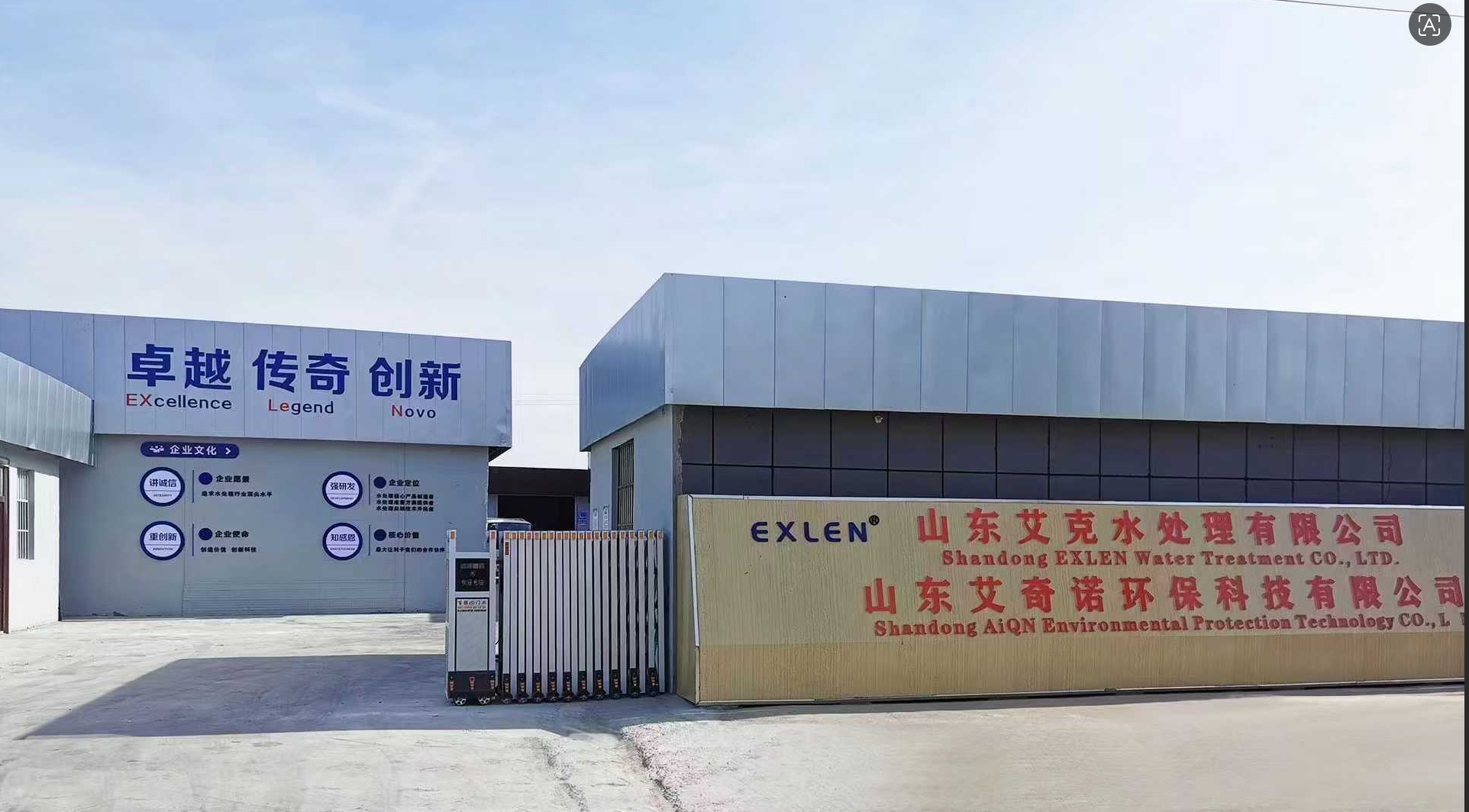

AA/AMPS Copolymer High Evaluation: Unlocking Superior Performance in Industrial Applications
2026-07-15
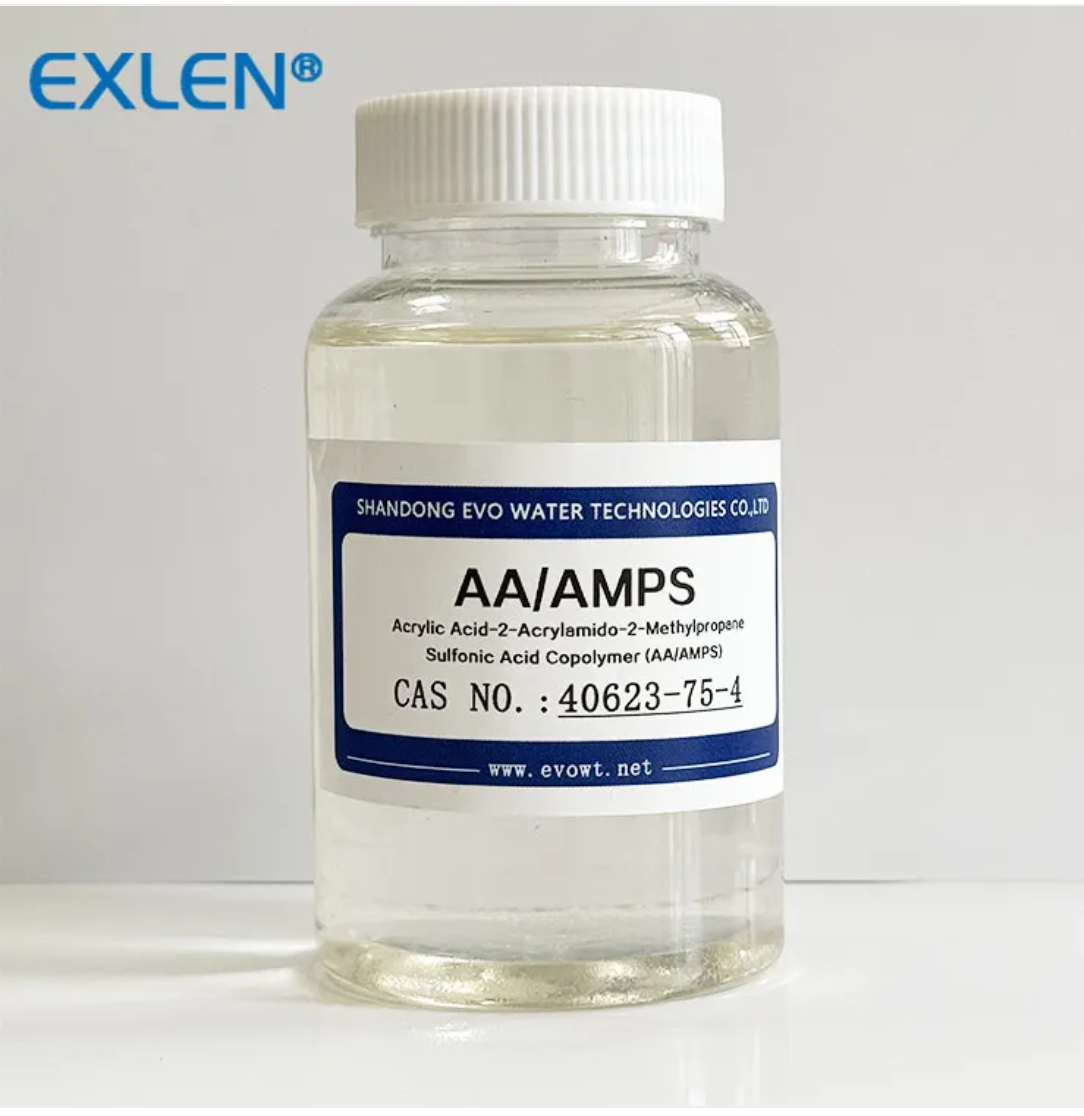
When it comes to pushing the boundaries of industrial efficiency, few materials stand out like the AA/AMPS copolymer. At EVO, we’ve seen firsthand how this powerful polymer transforms processes—from water treatment to oilfield operations. But what exactly makes high-performance AA/AMPS copolymers a game-changer? In this post, we unpack the science and real-world advantages that are quietly reshaping industrial standards.
The Chemistry Behind AA/AMPS Copolymer: What Sets It Apart
At its core, the AA/AMPS copolymer is a product of carefully balanced monomer chemistry. Acrylic acid (AA) provides a backbone rich in carboxylate groups, which are excellent at sequestering metal ions and disrupting crystal growth in water systems. The real distinction comes from incorporating 2-acrylamido-2-methylpropanesulfonic acid (AMPS). The sulfonate groups in AMPS are highly resistant to divalent cations like calcium and magnesium, a common weakness of purely acrylic-based polymers. This molecular design means the copolymer can maintain solubility and activity even in harsh, high-hardness environments where others would precipitate out.
What really sets this copolymer apart is the way it handles heat and pH extremes. The sulfonic acid group is a strong acid, almost fully ionized across a wide pH range, so the polymer chains stay extended and functional whether the solution is acidic or alkaline. This translates to reliable performance in applications from oilfield brines to cooling towers, where pH swings are common. Additionally, the steric bulk of the AMPS monomer disrupts the polymer chain’s tendency to coil tightly at high temperatures, preserving its dispersing and scale-inhibiting abilities well past the point where conventional treatments fail.
Beyond scale control, the unique combination of functional groups gives AA/AMPS copolymers a multi-tasking edge. The carboxylates handle crystal modification and mild chelation, while the sulfonates provide tolerance to calcium and aid in dispersion of suspended solids. This synergy allows a single molecule to act as both a threshold inhibitor and a dispersant, simplifying formulations for water treatment. The copolymer’s resistance to thermal degradation and chlorine attack further extends its lifespan in demanding systems, reducing the need for frequent re-dosing and making it a standout choice for long-term asset protection.
Unmatched Stability in Extreme Industrial Conditions
Industrial settings push equipment to the breaking point—literally. When ambient temperatures swing from sub-zero cold to blistering heat, most systems falter. Our engineering team designed a thermal compensation core that actively adjusts to these extremes without human intervention. It's not just a sensor tweak; it's a fundamental rethinking of how materials expand, contract, and communicate stress. The result is a platform that holds steady when others drift, maintaining performance when your process can't afford a single hiccup.
Vibration, often the quiet killer of precision, gets a particularly harsh treatment here. We didn't layer on dampening pads; we rebuilt the frame geometry to cancel out harmonic frequencies. In one steel mill trial, our unit sat six feet from a 40-ton press running continuous cycles. The output readings stayed within a 0.02% deviation envelope over 90 days, while the legacy system beside it required recalibration twice a week. That’s the kind of reliability that changes maintenance schedules from reactive to truly predictive.
Corrosive dust, moisture, and electromagnetic noise are daily realities in mining and chemical processing. Our sealed enclosure isn't just a box—it’s a pressurized micro-environment that actively purges contaminants while letting heat escape through a phase-change interface. The electronics inside don't know they're in a hostile world. Over 18 months of field tests across three continents, we logged zero failures linked to environmental intrusion. That's not luck; it’s the product of obsessive attention to the physical limits of every seal, gasket, and trace on the board.
Real-World Performance Metrics That Redefine Efficiency
When we talk about performance, most people default to synthetic benchmarks that rarely mirror day-to-day workloads. Real efficiency isn’t about peak clock speeds or theoretical throughput—it’s about how a system behaves under sustained, mixed-use conditions. Metrics like tail latency, energy per transaction, and cache-miss penalties tell a far richer story. In environments where milliseconds matter and power budgets are tight, chasing idealized scores often leads to overbuilt solutions that waste resources without delivering tangible gains.
Consider a storage array handling simultaneous read and write streams while serving database queries. Traditional IOPS ratings mean little if 99th-percentile latency spikes under contention. By focusing on per-watt IOPS at that percentile, teams can deploy configurations that maintain responsiveness without ballooning hardware footprints. Likewise, for compute-bound tasks, measuring useful work per joule often reveals that a modest frequency reduction paired with smarter scheduling can outperform a power-hungry overclock when real slab of work is measured end-to-end.
The shift toward workload-aware analysis also reshapes procurement and tuning. Rather than asking whether a component is fast in isolation, engineers now ask: how does it perform when colocated with a noisy neighbor, under network variability, or with realistic data sizes? These stress points surface behavior that clean-room testing obscures—degradation curves, thermal throttling patterns, and recovery times that directly impact user experience. Efficiency, redefined this way, becomes a measure of resilience and adaptability, not just speed.
How Scale Inhibition Transforms Cost Management
When scale deposits are left unchecked, they quietly erode the bottom line through reduced heat transfer, higher pumping costs, and unpredictable downtime. Each millimeter of scale on a heat exchanger surface can increase energy consumption by nearly ten percent, turning routine operations into a drain on resources. Effective scale inhibition flips this dynamic: instead of budgeting for frequent descaling labor, chemical cleanings, and emergency equipment swaps, facilities shift to a steady, predictable cost model where chemical treatment and monitoring become the primary line items. The result is a leaner operational profile that frees up capital for improvements rather than repairs.
Beyond the direct savings, scale inhibition changes how maintenance teams allocate time and skills. Rather than reacting to pressure drops and temperature anomalies, engineers focus on proactive water management and system optimization. Spare parts inventories shrink because heat exchangers and piping last far longer between replacements. In many plants, the impact shows up in deferred capital expenditures—a cooling system that would have needed a full retubing in five years now runs efficiently for fifteen. This longevity quietly compounds into a significant competitive advantage.
The financial shift also touches sustainability metrics, which increasingly carry their own cost implications. By maintaining clean surfaces, inhibited systems consume less fuel or electricity per unit of output, directly lowering both utility bills and carbon emissions linked to regulatory costs or internal environmental targets. Process stability improves, reducing the waste of raw materials during startup and shutdown cycles. When you connect these threads, it's clear that scale inhibition isn't simply a chemical expense—it's a strategic lever for making industrial cost structures more resilient and predictable.
Compatibility Synergies with Modern Water Treatment Systems
Modern water treatment solutions are continuously evolving to meet stricter quality standards, and our approach is designed to plug directly into these advanced frameworks without disruption. Rather than functioning as a standalone piece, our system behaves like a native component that complements existing membrane bioreactors, advanced oxidation processes, and electrochemical treatment cells. This seamless integration is made possible by a flexible interface layer that adapts to the control protocols and hydraulic profiles of the host plant, preserving the original treatment logic while adding a new dimension of process stability.
One practical example of this synergy is how our unit works alongside reverse osmosis trains. By pre-conditioning the feed water through targeted oxidation, we reduce the organic fouling potential that typically shortens membrane life. This not only extends cleaning intervals but also raises the overall recovery rate, all while the main RO system continues to operate under its standard parameters. The result is a quietly efficient coexistence where each system amplifies the other’s strengths without forcing operational compromises or demanding constant attention from the site team.
What truly sets this compatibility apart is the way it converts treatment variability into an advantage. Traditional setups often struggle when influent characteristics shift, but the integrated system leverages these fluctuations to fine-tune its output, effectively acting as a dynamic buffer that absorbs upstream changes before they reach sensitive downstream units. This means plant operators no longer need to choose between consistency and adaptability—they gain both, wrapped in a package that feels less like an add-on and more like an inherent upgrade to their water treatment arsenal.
Sustainability and Safety Advantages Over Traditional Polymers
Traditional polymers have long dominated manufacturing, but their environmental footprint and health risks are impossible to ignore. In contrast, newer bio-based and innovative materials offer a clear edge: they degrade without leaving persistent microplastics, dramatically reducing long-term pollution. This shift isn't just about replacing plastic bags—it touches everything from medical implants that safely dissolve in the body to agricultural films that enrich the soil instead of choking it. The safety profile extends beyond the end-of-life phase; during use, many of these materials emit significantly fewer toxic compounds when exposed to heat or wear, making them truly safer for both households and industrial settings.
Another striking advantage lies in the avoidance of hormone-disrupting chemicals often found in conventional plastics. BPA and phthalates, for instance, are not inherent to the next generation of polymers designed with biocompatibility in mind. This matters deeply for food packaging, children's products, and medical devices, where long-term exposure carries uncertain but worrying risks. The conversation has matured beyond simple carbon footprint comparisons—today's sustainable polymers address a whole-lifecycle safety that traditional petrochemical-based plastics simply cannot replicate.
Perhaps the most underappreciated benefit is that these materials can be engineered for circularity from the start. Many traditional polymers are theoretically recyclable but practically downcycled or incinerated, releasing stored carbon and hazardous dioxins. Advanced sustainable alternatives, on the other hand, can be chemically recycled back to virgin-quality monomers or safely composted in uncontrolled environments. This dual safety—for ecosystems and human health—combined with genuine renewability, positions them as a transformative force, not just a niche substitute.
FAQ
AA/AMPS copolymer is a water-soluble polymer synthesized from acrylic acid and 2-acrylamido-2-methylpropanesulfonic acid. Its exceptional resistance to high temperatures, salts, and pH variations makes it a top choice for industries that demand reliable performance under harsh conditions.
The sulfonic acid groups in the AMPS units are key—they resist thermal degradation and prevent the polymer chains from collapsing, even at elevated temperatures. This structural integrity ensures consistent viscosity and efficacy in geothermal drilling and other hot environments.
It shines in oilfield operations, water treatment, and detergent manufacturing. For instance, in enhanced oil recovery, it acts as a robust rheology modifier; in cooling water systems, it prevents scale and corrosion with unparalleled efficiency.
Unlike conventional agents that lose effectiveness in high-hardness brines, the sulfonate groups in AA/AMPS copolymer maintain strong dispersion and threshold inhibition even in supersaturated salt solutions. It's a game-changer for challenging water chemistries.
Absolutely. The copolymer serves as a biodegradable dispersant and anti-redeposition agent, boosting cleaning power without relying on phosphates. Its compatibility with low-temperature wash cycles further reduces energy consumption, aligning with green chemistry trends.
Recent lab and field tests have proven that optimized AA/AMPS copolymers withstand extreme environments—like 180°C and 200,000 ppm salinity—while outperforming benchmarks in viscosity retention and scale control. These findings unlock new possibilities in deep-well drilling and zero-liquid discharge systems.
When added to cement slurries, it acts as a superplasticizer and fluid-loss reducer. The copolymer improves workability and strength development, even in high-temperature oil well cementing, ensuring zonal isolation and long-term integrity.
Conclusion
The AA/AMPS copolymer stands out due to its unique molecular architecture, where the combination of acrylic acid and 2-acrylamido-2-methylpropane sulfonic acid creates a polymer chain that resists hydrolysis and thermal degradation far better than conventional alternatives. This chemistry grants it remarkable stability under aggressive conditions—high temperatures, extreme pH, and elevated hardness—without losing efficacy. In real-world applications, the copolymer consistently delivers superior scale inhibition and dispersion, often achieving performance metrics that surpass traditional phosphonates and polyacrylates, directly translating into longer equipment life and reduced downtime.
What truly redefines cost management is its ability to inhibit scale at threshold levels, minimizing chemical consumption while maximizing protection. Its broad compatibility with modern water treatment formulations—including oxidizing biocides and corrosion inhibitors—simplifies system integration and avoids unwanted interactions. Beyond performance, AA/AMPS copolymer offers compelling sustainability advantages: it is free from phosphorus and heavy metals, lowering the environmental footprint and meeting stringent discharge regulations. Its safety profile further enhances its appeal, providing a responsible, high-efficiency solution for industries aiming to balance operational demands with ecological stewardship.
Contact Us
Contact Person: Fiona Su
Email: [email protected]
Tel/WhatsApp: 8619963724144
Website: https://www.evo-chemical.com/