

Aseptic Mayonnaise: The Future of Shelf-Stable Condiments
2026-11-16
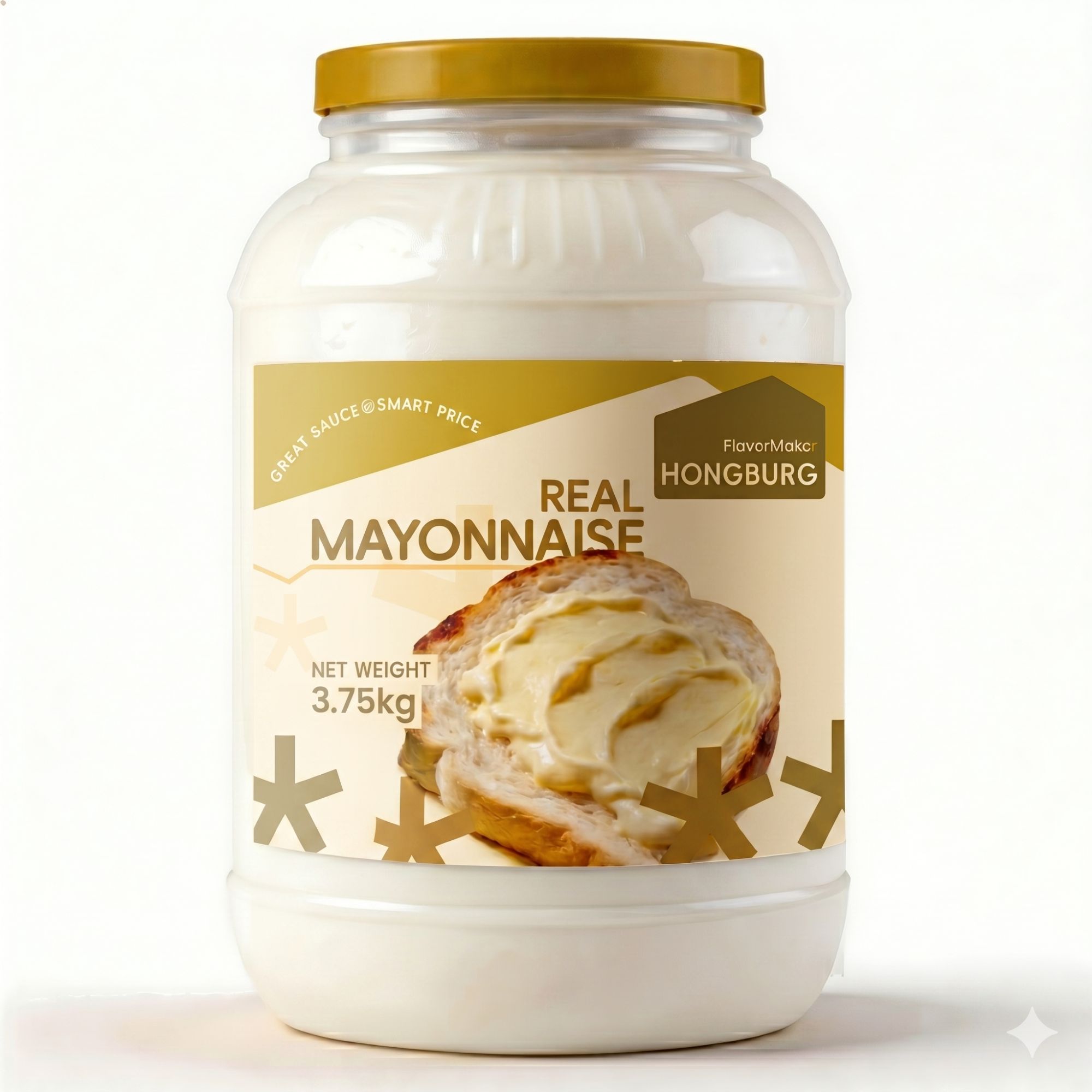
Mayonnaise has long held a sacred spot in kitchens worldwide, but its short fridge life has always been a quiet inconvenience. Imagine a world where your favorite creamy spread stays perfectly fresh, unopened, for months—no preservatives, no compromise on taste. Aseptic processing is making that a reality, flipping the script on everything we thought we knew about condiment shelf life. As HONGBURG FLAVORMAKER pushes the boundaries of flavor technology, we're stepping into an era where bacteria don't get a seat at the table, and your mayo is always ready when inspiration strikes.
Why Aseptic Processing Changes Everything for Mayonnaise
Traditional mayonnaise production has always wrestled with a fundamental tension: creating a rich, stable emulsion while ensuring it remains safe and shelf-stable without refrigeration. That balancing act often leads to compromises in freshness, texture, or the heavy reliance on preservatives. Aseptic processing flips this entire equation. By flash-sterilizing the base ingredients and the finished emulsion separately at ultra-high temperatures for mere seconds, then filling them in a sterile environment, the delicate flavor compounds and mouthfeel aren’t subjected to prolonged heat degradation. The result is a mayo that tastes remarkably closer to freshly made, with a brighter, cleaner profile that simply can’t be matched by hot-fill or cold-process methods.
Beyond taste, the real game-changer lies in formulation freedom. When you remove the need for preservatives like potassium sorbate or calcium disodium EDTA to inhibit microbial growth during a product's shelf life, you suddenly have breathing room on the ingredient deck. Manufacturers can strip back to basics—oil, egg yolk, vinegar, lemon, a touch of mustard—or push boundaries with vibrant infusions like roasted garlic, truffle, or yuzu without worrying about how those ingredients interact with chemical stabilizers. The sterile closed system also locks out oxygen more effectively than conventional packaging, naturally retarding oxidation. That means even a jar opened weeks ago keeps its golden hue and avoids the watery separation or rancid notes that often creep in.
This technology also reshapes the supply chain in ways that ripple all the way to the pantry. Because aseptically processed mayonnaise is microbiologically stable at ambient temperatures for months, it loses the rigid cold chain dependency that has long dictated shipping schedules and supermarket logistics. A jar can travel on unrefrigerated trucks, sit in a warehouse without energy-intensive climate control, and still arrive on store shelves with its full character intact. For consumers, that translates to a consistent experience whether the jar is stored in the fridge or the cupboard, and it quietly eliminates the all-too-common gamble of buying mayo that’s been mishandled somewhere along the distribution line.
The Quiet Science Behind Long-Lasting Creaminess
It’s easy to assume that a luxuriously creamy texture is simply a matter of adding more fat or dairy. But the real magic often happens at a molecular level, long before the first spoonful reaches your mouth. Stabilizers like locust bean gum or carrageenan don’t just thicken—they form delicate, invisible networks that trap water molecules and prevent ice crystals from growing in frozen desserts, or keep emulsions from breaking in sauces and dressings. When balanced correctly, these ingredients don’t announce themselves with a gummy or chalky aftertaste; instead, they quietly support a silkier mouthfeel that lingers even as temperatures fluctuate during storage and serving.
Another unsung contributor is the way fats are structured. Rather than simply melting into a slick pool, well-processed fat globules can create a scaffold that holds air and moisture in place, giving whipped toppings, ganaches, and custards their airy yet substantial body. Techniques like controlled cooling and shearing during production align these fat crystals into a stable form that resists collapse. When you notice that a mousse still feels cloud-like after a day in the fridge, you’re experiencing the payoff of precise thermal choreography—no heat lamps or complicated maneuvers, just an intimate understanding of how triglycerides behave when nudged just right.
There’s also a deeply sensory layer to endurance creaminess that has little to do with chemical additives. The size and uniformity of particles in a food matrix affect how our tongues perceive richness. If solid particles, whether cocoa bits, nut pieces, or starch granules, are ground finely enough to avoid a gritty sensation, the brain interprets the even coating on the palate as creaminess—even when the actual fat content is modest. This tactile sleight of hand explains why some plant-based milks or low-fat yogurts can rival their full-fat counterparts. By refining the physics of texture, food scientists create an illusion of indulgence that lasts from the first taste to the final swallow, all without the need for overbearing richness.
How Shelf-Stable Mayo Opens Doors for Food Creators
Shelf-stable mayo flips the script for food creators who’ve long battled with limited fridge space and the race against spoilage. Instead of guarding an open jar with a two-month mental countdown, you can stock up without worry, portion out exactly what’s needed for a shoot, and never scrap a recipe because the condiment turned. This quiet shift in packaging isn’t just about longevity—it’s about giving creators the freedom to plan bigger projects, travel for pop-ups, or simply keep ingredients on hand without babysitting expiration dates.
Flavor That Stays Bold Without Refrigeration
Some flavors fade the moment they hit room temperature—this one leans in. We focused on roasted, spice-driven notes that don’t rely on cold to hold their shape. Smoked paprika, sun-dried tomato, and a slow-building warmth from black pepper create a profile that feels just as vivid an hour after opening as it did at the first taste. There’s no delicate citrus to go flat, no fresh herbs to wilt into nothing. It’s built to be left out on a picnic table or packed for a long hike without losing its backbone.
The secret sits in the layers. A base of caramelized onion and tamari gives a deep, savory hum that stands up even when you’re eating straight from the jar under the sun. Then there’s a flicker of chipotle—just enough smoke to remind you it’s there, but not so much that it overwhelms the other ingredients. Together, these elements don’t just survive without a fridge; they actually open up and feel rounder as the warmth loosens the natural oils.
We tested this on camp stoves, at outdoor markets, and in lunch bags left in hot cars. Every time, the flavor held—no muted edges, no sad, watered-down finish. That’s the whole point. It’s a slap of taste that doesn’t whisper for help from an ice pack. Bold from the start, bold two hours later, bold until the last scrape of the spoon.
Rethinking the Condiment Aisle with Cleaner Labels
Walk down any condiment aisle today and you can feel a quiet shift happening. Shoppers are flipping bottles, squinting at ingredients, and putting back anything that reads like a chemistry experiment. The old guard of ketchup, mustard, mayo, and ranch used to be bought on autopilot. Now, people are deliberately choosing products with short, familiar ingredient lists—tomatoes, vinegar, sugar, salt, maybe a spice or two. This isn't a fringe health movement anymore; it's a broad renegotiation of what belongs in our everyday sauces and spreads, driven by a simple question: why does a basic condiment need twelve stabilizers and color additives?
The brands that are standing out on the shelf are the ones treating simplicity as a feature, not a concession. They aren’t just removing the unpronounceable stuff; they’re reformulating from scratch, finding ways to keep texture and taste steady using ingredients like freeze-dried herbs, citrus fiber, or date paste instead of modified starches and artificial thickeners. It’s often a harder path—shelf life shortens, costs go up, and the perfect squeeze-bottle consistency can be elusive. But the result is a mustard that lists only mustard seed, vinegar, and turmeric, or a ketchup that tastes brighter because the tomato actually takes center stage without a syrup overload. These cleaner labels are redefining what premium means: it’s less about imported truffle oil and more about the confidence to list everything on the front of the bottle.
This rethinking is also blurring the line between condiments and whole ingredients. Shoppers are reaching for hot sauces that read like fermented pepper mashes with salt and time as the only additives, and barbecue sauces built on molasses, cider vinegar, and smoked paprika rather than corn syrup and liquid smoke. The condiment aisle is starting to resemble a pantry of component parts, where the product is only as good as its shortest possible label. That change pushes manufacturers to source better raw materials because they can’t hide behind a mask of “natural flavors” and fillers. For consumers, a cleaner label becomes a shortcut—a way to decide at a glance that something is worth bringing home, no decoding required.
Real-World Uses That Go Far Beyond a Sandwich
Most people see a simple sandwich when they look at a flatbread, but it can easily become the hero of an impromptu pizza night. Spread a thin layer of tomato sauce, scatter whatever cheese you have on hand, and let the edges crisp in a hot oven for a few minutes. The result is a thin, shatteringly crisp base that puts delivery to shame and actually tastes fresher.
Forgot to buy crackers for that cheese board? Tear leftover flatbread into rough pieces, brush them lightly with olive oil, and toast until golden. They turn into rustic dippers with a nutty flavor that works miles better than anything from a box, especially alongside a soft goat cheese or a smoky eggplant dip.
Beyond savory, flatbread can anchor a quick dessert. Warm it slightly, then slather on a thick layer of hazelnut spread and top with sliced bananas or a handful of berries. It walks the line between crêpe and tart, giving you something that feels deliberate without any of the actual baking effort.
FAQ
Aseptic mayonnaise is produced using a high-temperature sterilization process and packed in sterile conditions, which lets it stay fresh at room temperature for months without preservatives. Unlike traditional mayo, it skips the constant refrigeration from factory to fridge, and the taste is often closer to freshly made—rich and clean, with no chemical aftertaste.
Convenience is the big draw. Think of outdoor events, camping trips, or packed lunches where keeping things cold is a hassle. It also opens doors for bulk storage, reducing waste in food service and giving home cooks one less jar fighting for fridge space. Plus, the texture and flavor often beat the heavily stabilized refrigerated kinds.
Crazy enough, it can actually improve them. The rapid heating and cooling locks in a smooth, velvety body and keeps the emulsification tight, so it doesn't break or get watery. The egg and oil notes come through cleaner because there's no need for excessive acids or preservatives that can mask the real flavor.
When unopened, it’s commercially sterile—zero risk. Once you crack the seal, treat it like any opened mayo: spoon it with clean utensils, reseal tightly, and store it in the fridge. It’ll stay good for the usual couple of months. Just don't double-dip with a dirty knife, because cross-contamination is the only real enemy.
You'll usually find it in multi-layer cartons or flexible pouches with minimal headspace and a tight seal. These block light and oxygen way better than glass jars, keeping the mayo bright and fresh-tasting far longer. It also means less weight and breakage during transport, which is a bonus for the environment and your grocery bill.
Absolutely, and some chefs prefer it. It's stable under heat, so it holds its own in warm dressings, grilled sandwiches, and baked dishes without splitting. Because the base flavor is so neutral and clean, it also acts as a better blank canvas for custom aiolis and sauces.
It's already sliding into mainstream retail and big food service. Major producers are investing in aseptic lines because it solves real supply chain headaches—longer shelf life, no cold chain needed, and less spoilage. For consumers, it’s appearing on ordinary shelves next to the mustards and ketchups, not locked in a specialty cooler.
Conclusion
Aseptic mayonnaise quietly redefines what a condiment can be, pushing past the cold chain entirely without sacrificing the lush, spoonable texture people expect. The shift begins with processing itself—rather than relying on preservatives or aggressive heat that muddles flavor, aseptic systems sterilize the product and packaging independently, then combine them in a sealed, sterile environment. This keeps emulsified oils and egg components stable for months at room temperature, preserving that slow-drip richness without refrigeration. For food developers, that shelf stability unlocks new formats: single-serve squeeze packs for meal kits, bulk dispensers in warm outdoor markets, and creamy bases for ready-to-eat grain bowls that won’t separate or sour before they’re used. The science is quiet but clever, leveraging ultra-clean filling and homogenous micro-droplet structures so the mayo never breaks, even when shipped across climates.
What makes this evolution feel genuinely modern is how it intersects with cleaner labels and bolder flavors. Without the need for preservative hurdles, formulators can dial up roasted garlic, smoked paprika, or fermented chili in ways that stay vivid on the shelf, not dulled by time. At the consumer level, it rethinks the condiment aisle: glass jars replaced by lighter, recyclable multilayer packs that protect against oxygen and light, all while listing fewer, more recognizable ingredients. And the real-world uses stretch far beyond spreading on bread—it stirs into warm pasta salads without greasing out, anchors marinades that travel to campsites, and becomes the fat-rich secret in shelf-stable baking mixes. Aseptic mayo doesn’t just sit on a shelf; it opens a door to ambient distribution for small-batch producers and global food brands alike, making rich, clean-tasting creaminess a pantry staple rather than a refrigerator luxury.
Contact Us
Contact Person: Peter Song
Email: [email protected]
Tel/WhatsApp: +86 18920189778
Website: https://www.hongburg.com