

Best Used Road Rollers for Your Next Paving Project: Expert Picks and Tips
2026-05-27
Choosing a used road roller can feel overwhelming, especially when every project demands reliability without breaking the budget. At JILIANG CHI, we understand that the right machine isn’t just about specs—it’s about real-world performance on asphalt and soil. In this guide, we’ve gathered expert picks and practical tips that go beyond the usual checklists, helping you avoid hidden pitfalls and secure a roller that truly delivers on the job site.
Assessing the True Condition of Pre-Owned Rollers
When evaluating a used roller, the wear on the drum surfaces tells you only part of the story. Look beyond superficial rust or paint fade: examine the drum for uneven wear patterns, deep scoring, or signs of previous hard-facing repairs. These can hint at years of operating on abrasive materials or poor maintenance habits. Pay close attention to the edges where material buildup often conceals developing cracks or thinning metal.
A thorough check of the roller's hidden systems often reveals more than a visual once-over. Request maintenance logs if available, but don't rely on them entirely. Run the machine to operating temperature and listen to the hydrostatic drive for whines or hesitation. Inspect the articulation joint for excessive play, and test the vibration system on both high and low amplitudes if equipped. Wet spots underneath might point to leaking seals, which are costly to fix on compactors.
Don’t skip the electrical and operator comfort checks, either. Faulty wiring or corroded connectors can lead to intermittent failures that won’t show up in a quick demo. Sit in the cab and feel for excessive vibration through the seat and controls—this could signal worn cab mounts or an unbalanced drum. A machine that’s been well-treated will show attention to even the small details, so trust your instincts if something feels “off,” no matter how clean the hour meter looks.
Matching Roller Weight and Drum Type to Your Project
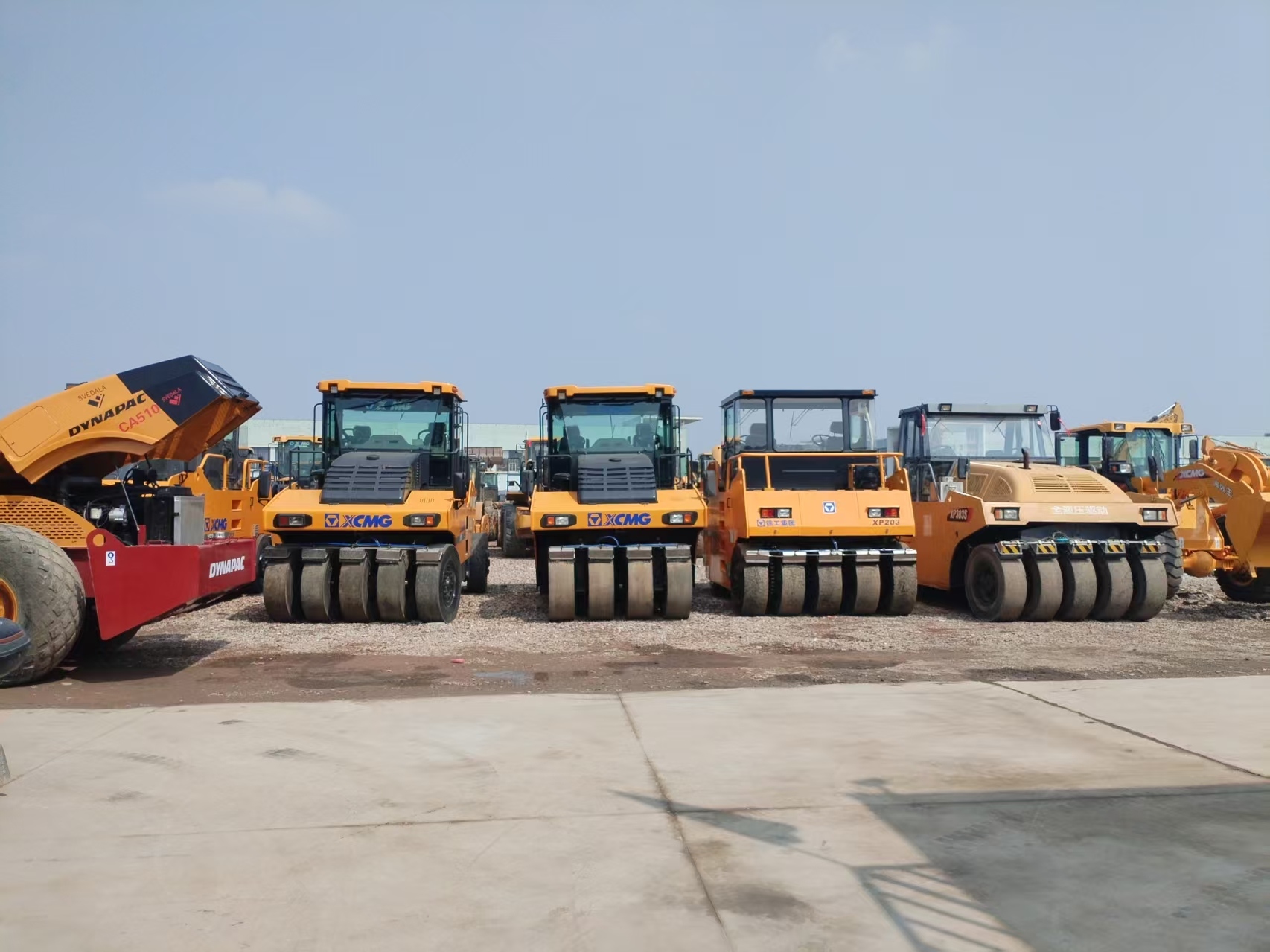
The synergy between roller weight and drum type can make or break your compaction results. Heavier rollers deliver deeper lift compaction and are ideal for cohesive soils, while lighter units excel on granular materials where surface sealing needs to be avoided. Matching the drum type—smooth, padfoot, or pneumatic—further refines the force distribution: smooth drums for finishing, padfoot for breaking down clay clumps, and pneumatic tires for kneading action on asphalt. It’s not about picking the biggest machine, but the one that perfectly complements your material behavior and lift thickness.
Consider the character of your site before settling on a configuration. Tight urban infill projects often demand compact, tandem rollers with narrow drums, while large-scale earthworks thrive on high-tonnage single-drum vibratory models. Padfoot versions add traction and confining pressure on slopes, preventing material shoving. If you’re working with mixed soils, a combination roller—smooth drum paired with pneumatic tires—can bridge performance gaps, giving you flexibility across subbase and surface layers without swapping machines.
Fine-tuning the dynamic force through amplitude and frequency settings is where the real art begins. Over-compaction can fracture stone or push fines to the surface, ruining permeability. That’s why testing a short strip with your chosen weight and drum setup reveals more than any spec sheet. Watch how the material responds: we hairline cracks appear? Is lift rebounding? Adjust from there. Remember, the goal isn’t just density—it’s uniformity, which only comes when the roller configuration sings in tune with the ground beneath it.
Hidden Costs That Come with Older Models
When you bring home a retro appliance or a classic vehicle, the sticker price often looks like a steal. But what isn't advertised is the slow drip of maintenance: parts that are no longer manufactured, service technicians who only nod sympathetically, and the special-order lubricants that cost more than a nice dinner. These machines were built in an era when durability meant constant attention—something today’s “sealed-for-life” culture has made us forget. The real expense isn’t the purchase; it’s the ongoing relationship you’re forced to maintain with a dwindling supply chain.
There’s also the energy appetite nobody mentions. Older models, whether it’s a refrigerator from the 80s or a furnace inherited from a previous owner, can guzzle electricity with an almost passive-aggressive stubbornness. You might romanticize their simplicity, but your utility bills will tell a different story. A thirty-year-old deep freeze can be the unsung villain of your monthly expenses, quietly burning through kilowatts while keeping your frozen peas just as cold as a modern unit would—for half the cost. Retro charm has a way of masking inefficiency behind a veneer of nostalgia, but the meter keeps spinning regardless.
Then come the hidden opportunity costs. Every hour spent hunting for a replacement belt or coaxing a finicky carburetor is time stolen from other things. These machines demand patience and a certain stubborn affection, which can be endearing until you miss a deadline or a family event because your “reliable” classic car decided today was a good day to be temperamental. The emotional toll of constant troubleshooting isn’t a line item on your repair bill, but it accumulates. What begins as a charming quirk can slowly harden into a daily friction that chips away at your enthusiasm, leaving you with a beautiful object that you secretly resent.
Where to Find Machines That Still Have Life in Them
Scouring local classifieds and online marketplaces often feels like panning for gold, but with patience you can strike it rich. Sites like Craigslist, Facebook Marketplace, and even neighborhood apps sometimes list industrial sewing machines, vintage drill presses, or dusty woodworking tools at prices that barely scratch their true worth. The key is to look beyond the rust and missing paint—many of these machines were built decades ago with solid cast iron and simple, robust mechanics that just need a good cleaning and minor tune-up.
Estate sales, auctions, and retiring craftsmen’s shops are goldmines where you can literally touch the history of the machine. Walk through a workshop and you’ll often find a Bridgeport mill or a South Bend lathe that’s been lovingly maintained but sidelined by newer technology. These machines come with stories, tooling, and sometimes the original manuals. Sellers in these settings usually want the equipment to go to someone who will use it, not just resell it for scrap, so building a quick rapport can lead to a great deal and a wealth of firsthand knowledge.
Don’t overlook industrial surplus warehouses, school shop clearances, and even scrapyards. Schools often upgrade their vocational equipment and old but perfectly functional machines end up being auctioned off for a song. Scrapyards, while grim, occasionally receive machines that were condemned for cosmetic flaws or corporate upgrades rather than mechanical failure. It takes a trained eye, but with a flashlight and a bit of courage, you can rescue a diamond in the rough that’ll outwork anything you’d buy new.
Maintenance Must-Dos Before You Start Rolling
That first pedal stroke of the day feels a lot better when you know your bike is ready to roll without a hitch. Before you even clip in or swing a leg over, give your tires a solid squeeze—not just a glance. Underinflated rubber is the fastest way to sap your energy and invite pinch flats, while pressure that’s too high can turn a smooth road into a jackhammer. A quick check of the sidewalls for cuts or embedded debris takes ten seconds but can save you from walking home later.
Next, grab a handful of brake lever and make it count. You’re not looking for a gentle suggestion to slow down; you want crisp, bitey response that doesn’t pull all the way to the bar. Glazed pads or rims coated in road grime will quietly eat away at stopping power, so a fast wipe-down with rubbing alcohol on the braking surfaces makes a world of difference. While you’re at it, spin each wheel and listen—any rhythmic scrape or tick might mean a rotor rub or a loose spoke that’s only going to get louder as you ride.
Don’t overlook the drivetrain’s mood. A dry, gritty chain will steal watts and wear down expensive cassettes faster than you’d believe. Run the chain through your fingers (with care) to feel for gunk, add a drop of lube to each roller if needed, and wipe away the excess so you’re not a dirt magnet. Finally, bounce the bike lightly and listen for any mystery rattles—loose bottle cages, a saddle that’s crept out of position, or a headset that’s developed play over the last few rides. These small fixes take minutes at home but can ruin an entire outing if ignored.
Operator Insights for Smoother Compaction
Experienced operators know that a steady, methodical approach beats rushing every time. Instead of making erratic passes, they focus on maintaining consistent speed and overlap. Small adjustments, like slightly altering the vibration frequency based on real-time feedback, prevent material bridging and reduce the need for rework. It’s about reading the surface, not just following a preset pattern.
Another overlooked trick is using the compactor’s own weight transfer to your advantage. On inclines, shifting the machine’s center of gravity slightly can improve drum contact without extra effort. Veterans also pay close attention to moisture content windows—compacting too dry or too wet leads to wasted passes. They’ll often test a small area first, feel the response, and adjust the plan before rolling out the entire lift.
Finally, communication with the grade checker or surveyor is critical. Operators who stay in the loop on target densities and problem areas can adapt their technique on the fly, avoiding under-compacted zones that haunt you later. It’s these subtle, experience-driven tweaks—rarely found in manuals—that separate a smooth, efficient compaction job from a rough, drawn-out one.
FAQ
Always start with the engine and hydraulics. Look for leaks, check the hours of operation, and ask for maintenance records. Pay attention to the drum condition—any cracks or excessive wear can mean costly repairs. Don't forget to test the vibration and steering under load if possible.
For most mid-size projects, a roller with a drum width between 54 and 66 inches strikes a good balance. It offers enough compaction power without being too cumbersome on tight job sites. Weight matters too—aim for something in the 8 to 12 metric ton range.
Dual-drum rollers are almost always preferred for asphalt because they provide a smoother finish and better compaction on both sides. Single-drum machines are more suited for soil and gravel, so stick with a tandem roller if your project involves asphalt layers.
Excessive smoke from the engine, uneven drum wear, sloppy steering, and missing or bypassed safety features are all warning signs. If the seller can't provide service logs or seems hesitant to let you test it thoroughly, walk away.
Look for machines being sold by rental companies when they update their fleet. They often have well-maintained units at fair prices. Also consider models that are popular but a little older—parts are easier to find, and the initial cost is much lower.
It can be, if you're prepared for potential repairs. High hours aren't a dealbreaker if the machine was regularly serviced. Focus on overall condition rather than just the hour meter. Sometimes a well-cared-for older roller outlasts a neglected newer one.
Keep the drum clean after every use to prevent asphalt buildup, check the eccentric bearings regularly, and never skip scheduled oil and filter changes. Also, inspect the water spray system often—dry asphalt pickup on the drum can ruin a finish fast.
Conclusion
When investing in a used road roller, it’s easy to get drawn in by a low price, but the real value lies beneath the surface. Start by carefully assessing the true condition of the machine—look beyond fresh paint and check for frame cracks, hydraulic leaks, and signs of poor maintenance. Engine hours and service records are your best friends here. Equally important is pairing the roller’s weight and drum type with your specific project. A pneumatic roller suits chip seal work, while a double-drum vibratory roller is ideal for asphalt, and a smooth single-drum works for soil compaction. Don’t overlook hidden costs that creep in with older models: outdated emission controls may require expensive retrofitting, parts availability can be a headache, and those “minor” repairs can quickly add up to the price of a newer machine.
Finding a roller that still has plenty of life in it often comes down to knowing where to look. Beyond typical auctions and online listings, consider networking with local contractors, rental fleet sell-offs, and specialized dealers who often refurbish machines. Once you’ve secured a machine, a few maintenance must-dos before you start rolling can prevent disaster: thoroughly inspect and replace all fluids and filters, check drum scrapers and water spray systems for even coverage, and test the vibration system under load. Finally, operator technique makes the difference between a passable job and a perfectly compacted mat. Encourage your crew to vary vibration frequency based on lift thickness, keep consistent speed, and always follow an overlapping pattern. These small insights yield a smoother, longer-lasting surface.
Contact Us
Contact Person: Sally Xiao
Email: [email protected]
Tel/WhatsApp: 086-18221477398
Website: http://www.shjiliangchi.com/