

Bulk Stem Caster Wheels: A Guide to Quality Manufacturing for Heavy-Duty Applications
2026-01-31
When heavy-duty applications demand reliability, every component matters—especially the wheels that carry the load. In the world of industrial mobility, bulk stem caster wheels play a critical role in ensuring smooth, efficient operations, from manufacturing floors to warehouse logistics. But what sets high-quality casters apart from the rest? At CMCL, we've spent years refining the art and science of caster manufacturing, focusing on durability, precision, and performance under pressure. In this guide, we’ll dive into the essentials of quality manufacturing for bulk stem caster wheels, exploring how the right design and materials can transform heavy-duty applications. Whether you're sourcing casters for machinery, equipment, or specialized transport, understanding these insights could be the key to unlocking greater efficiency and longevity. Let's explore what makes a wheel not just roll, but excel.
Understanding Bulk Stem Caster Wheels: Key Components and Applications
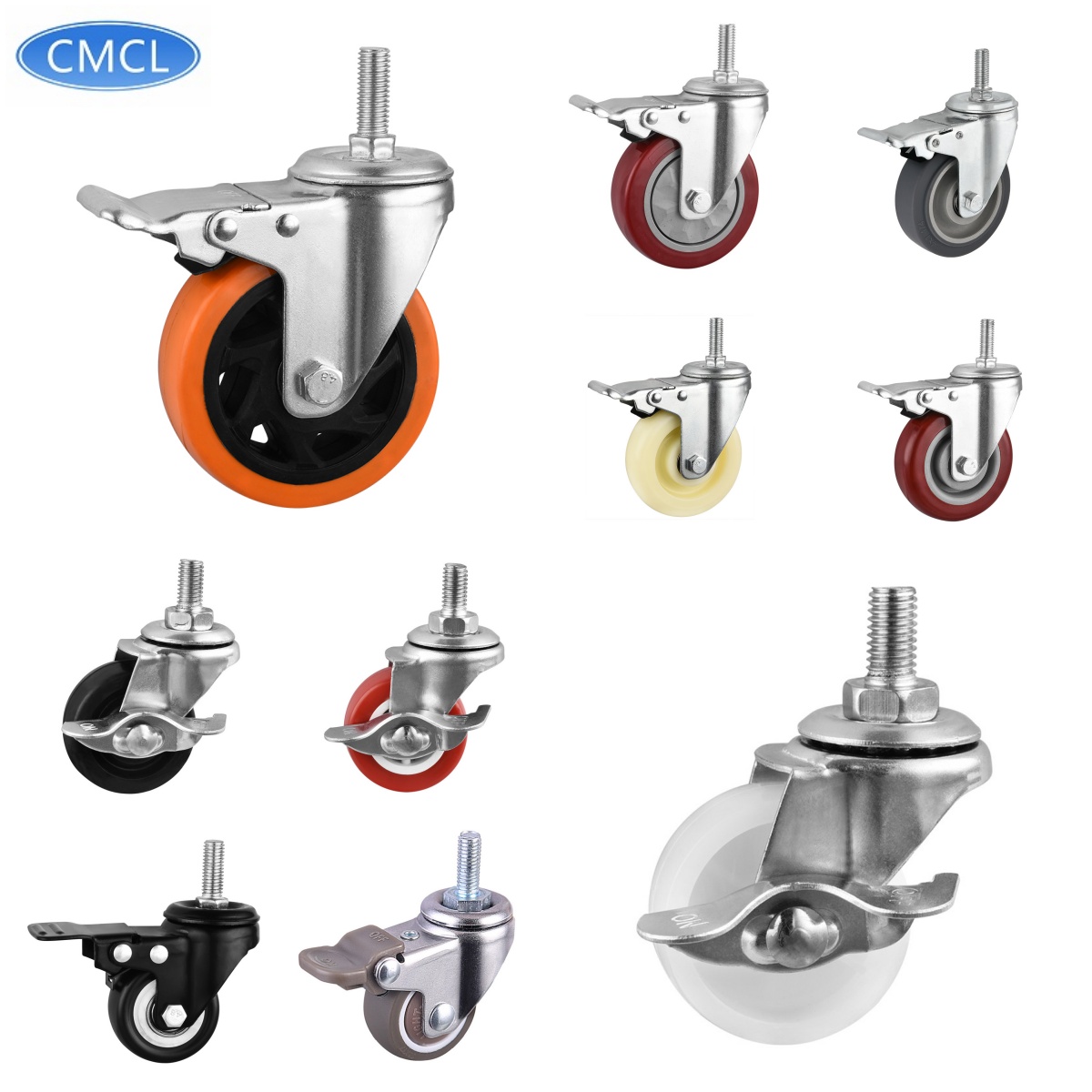
Bulk stem caster wheels are essentially the unsung heroes of material handling, designed to support heavy loads while offering smooth maneuverability across various surfaces. At their core, these casters feature a stem—a cylindrical or threaded post that mounts into a hole or bracket on equipment, such as carts, racks, or machinery. This stem design allows for quick installation and removal, making them ideal for high-volume or modular setups where efficiency is key. Unlike plate-mounted alternatives, stem casters often provide a more compact and streamlined profile, which can be crucial in tight spaces or when minimizing equipment footprint. With materials ranging from polyurethane to rubber or even metal, the wheel composition is tailored to specific needs, like resisting wear, reducing noise, or enhancing traction, ensuring they perform reliably under demanding conditions.
Diving deeper into the key components, the stem itself comes in variations like threaded, grip ring, or friction-fit styles, each offering different levels of security and ease of use. The wheel hub, typically made from durable steel or plastic, houses the bearing system—often ball bearings or precision bearings—that minimizes friction and supports smooth rolling. The tire, or tread, is another critical element; for instance, polyurethane wheels might excel in indoor environments by protecting floors from scuffs, while rubber variants could better absorb shocks on uneven terrain. Additionally, the brake mechanism, when included, adds a layer of safety by preventing unintended movement, a feature particularly valued in industrial or medical settings where stability is paramount. By understanding these components, users can select casters that not only meet load requirements but also enhance operational longevity and safety.
In terms of applications, bulk stem caster wheels are incredibly versatile, finding their place in diverse sectors like warehousing, manufacturing, healthcare, and retail. In warehouses, they're commonly used on pallet jacks or material carts to facilitate the easy transport of bulky items, boosting productivity by reducing manual strain. Hospitals might deploy them on medical carts or mobile shelving units, where quiet operation and floor protection are essential for patient care. For manufacturing lines, these casters enable the efficient repositioning of machinery or workstations, adapting to changing production needs. Their ability to handle bulk quantities makes them a cost-effective solution for businesses looking to standardize equipment across multiple units, ensuring consistent performance. Ultimately, by leveraging the right stem caster wheels, organizations can achieve greater flexibility, safety, and efficiency in their daily operations, proving that even small components can drive significant improvements in workflow.
Selecting Durable Materials for Long-Lasting Heavy-Duty Performance
When you're building something meant to withstand serious wear and tear, the choice of materials isn't just a detail—it's the backbone of performance. Think about the tools, machinery, or equipment that see daily rough use; they need to shrug off impacts, corrosion, and fatigue without breaking a sweat. Selecting durable materials means looking beyond basic specs to real-world resilience, whether it's a vehicle frame enduring off-road jolts or industrial parts facing constant friction.
Key players in this space include high-strength alloys, specialized composites, and advanced polymers, each offering unique advantages. For instance, chromium alloy steels add hardness and rust resistance, while carbon fiber composites provide lightness with exceptional tensile strength. It's not about picking the toughest material blindly, though; it's about matching properties to specific stresses—like choosing abrasion-resistant ceramics for cutting tools or impact-absorbing elastomers for protective gear.
Durability also hinges on factors like proper heat treatment, surface coatings, and design integration. A well-chosen material can reduce maintenance cycles and extend lifespan significantly, making it a smart investment for heavy-duty applications. By prioritizing materials tested under extreme conditions, you ensure reliability that stands up to the test of time, delivering consistent performance when it matters most.
Precision Manufacturing Techniques for Enhanced Wheel Strength and Reliability
Precision manufacturing in wheel production goes beyond traditional methods by leveraging advanced technologies such as CNC machining and robotic automation. These techniques ensure microscopic accuracy in shaping wheel components, which directly impacts structural integrity and load-bearing capacity. For instance, by minimizing material inconsistencies and defects, wheels become more resistant to fatigue and stress, leading to improved safety and longevity in demanding environments like high-performance vehicles or industrial machinery. This meticulous approach not only enhances strength but also allows for innovative designs that optimize weight distribution without compromising durability.
Another key aspect involves the integration of material science with precision techniques, such as forging and heat treatment processes. Forged wheels, for example, are created under extreme pressure to align grain structures, resulting in a denser and more uniform material that significantly boosts tensile strength and impact resistance. Combined with precise temperature control during heat treatment, this process refines the metal's properties, reducing vulnerabilities to cracking or deformation. Such advancements make wheels more reliable in varied conditions, from rough off-road terrains to high-speed racing tracks, ensuring consistent performance even under extreme loads.
Additionally, the use of non-destructive testing methods, like ultrasonic scanning and X-ray inspection, plays a crucial role in verifying wheel quality post-manufacturing. These techniques allow engineers to detect internal flaws or stress points that might compromise strength, enabling real-time adjustments in the production line. By embedding such quality checks throughout the manufacturing process, manufacturers can guarantee each wheel meets stringent reliability standards, reducing failure rates and enhancing overall safety. This proactive approach to precision not only strengthens wheels but also builds trust in their long-term dependability for critical applications.
Innovative Load Capacity Designs to Support Challenging Industrial Environments
In industries where heavy machinery and harsh conditions are the norm, load capacity designs have evolved beyond traditional limits to tackle extreme demands. Engineers now integrate advanced materials like high-strength alloys and composites, which not only boost weight-bearing capabilities but also resist corrosion and fatigue in aggressive settings such as mining or offshore platforms. This shift from standard steel structures to tailored solutions ensures equipment can withstand dynamic forces and prolonged use without compromising safety, pushing the boundaries of what was once thought possible in industrial applications.
What sets these innovations apart is their focus on adaptability and resilience in unpredictable environments. Instead of relying on static load calculations, designs incorporate real-time monitoring systems and modular components that adjust to variable stresses, such as seismic activity in construction or shifting loads in logistics hubs. This approach minimizes downtime and maintenance costs by anticipating failures before they occur, making operations more efficient and reliable even when faced with unexpected challenges like temperature extremes or chemical exposures.
By blending cutting-edge technology with practical engineering insights, these load capacity designs redefine industrial standards. They empower facilities to handle heavier loads with greater precision, fostering sustainable growth and enhanced safety protocols. As industries continue to embrace automation and complex workflows, such advancements ensure that infrastructure not only meets current demands but is also future-proofed against evolving challenges.
Maintenance Tips to Extend the Life of Your Heavy-Duty Caster Wheels
Keeping your heavy-duty caster wheels in top shape is all about staying proactive with regular checks and simple routines. Start by making a habit of wiping down the wheels and swivel mechanisms weekly to remove dirt, grime, and debris that can cause wear and tear. A quick inspection for cracks or uneven tread can catch issues early, and applying a light lubricant to bearings or pivot points every few months keeps things rolling smoothly without any fuss.
Another key move is to match the right wheel material to your specific flooring and load conditions. For instance, polyurethane wheels might be your go-to for heavy loads on smooth surfaces, while rubber or nylon could handle rough terrains better. Avoid overloading beyond the wheel's rated capacity, as this strains the structure and leads to premature failure. Rotating or swapping out wheels periodically can also distribute wear more evenly, especially in high-traffic areas, giving you a longer lifespan without unexpected breakdowns.
Lastly, don't overlook the mounting hardware and frames. Tighten any loose bolts or fasteners during your routine checks to prevent wobbling and misalignment that can damage the wheels. If you notice persistent squeaking or resistance, it might be time to clean out the bearing assemblies more thoroughly or consider a replacement before a small issue turns into a costly repair. By integrating these straightforward practices into your maintenance schedule, you'll ensure those caster wheels keep moving efficiently for years to come.
Future Trends in Bulk Stem Caster Technology for Improved Efficiency
One of the most exciting developments on the horizon is the integration of smart sensors into bulk stem casters. These sensors will monitor real-time load distribution, wheel wear, and environmental conditions like floor texture, automatically adjusting the caster's resistance or ball bearing alignment to minimize friction. This not only reduces energy consumption during movement but also extends the lifespan of components by preventing premature wear, leading to significant cost savings and smoother operations in warehouses and industrial settings.
Another trend gaining traction is the use of advanced materials, such as lightweight composites and self-lubricating polymers, in caster construction. By replacing traditional heavy metals with these innovative materials, manufacturers can create casters that are easier to install and maneuver, without sacrificing durability. This shift reduces the overall weight of transported goods, allowing for faster handling and lower fuel usage in logistics, ultimately boosting efficiency across supply chains.
Looking ahead, we can expect a push toward modular and customizable designs that allow users to swap out wheels, stems, or brakes quickly based on specific tasks. This adaptability means facilities won't need to stock multiple caster models, streamlining inventory and maintenance. Combined with predictive analytics from IoT connectivity, these trends promise a future where bulk stem casters operate seamlessly, cutting downtime and enhancing productivity in dynamic work environments.
FAQ
Bulk stem caster wheels are primarily used in industrial settings like warehouses, manufacturing plants, and construction sites to move heavy equipment and materials. They handle heavy loads through durable construction with materials like polyurethane or forged steel, combined with robust bearings and precise engineering to distribute weight effectively.
The design of bulk stem caster wheels, such as reinforced stems, solid or semi-pneumatic tires, and sealed bearings, enhances durability by resisting wear, impacts, and debris. This ensures reliable performance in rugged environments with minimal maintenance.
Common materials include polyurethane for smooth floors, rubber for shock absorption, and forged steel for extreme loads. These are chosen for their strength, load capacity, and resistance to chemicals, heat, and abrasion, ensuring long-term use.
Businesses should consider factors like load capacity, floor type, environmental conditions, and wheel size. Consulting with manufacturers or testing prototypes can help match wheels to needs, avoiding over or under-specification.
Regular maintenance includes cleaning wheels to remove debris, lubricating bearings periodically, and inspecting for damage or wear. Prompt replacement of worn components prevents failures and extends overall lifespan.
Yes, strategies include buying in bulk for discounts, choosing standard sizes to reduce costs, and selecting suppliers with proven quality records. Avoid cheap alternatives that may fail under heavy use.
Temperature extremes can cause materials like rubber to harden or soften, reducing performance. Chemical exposure may degrade wheels; selecting materials resistant to specific chemicals, such as polyurethane for oils, mitigates this risk.
Conclusion
The comprehensive guide "Bulk Stem Caster Wheels: A Guide to Quality Manufacturing for Heavy-Duty Applications" delves into the intricacies of designing and producing robust casters for demanding settings. It starts by explaining the fundamental components of bulk stem caster wheels, such as stems and cores, and their roles in industrial and logistical applications where reliability is critical. The selection of durable materials, like high-grade steel or reinforced polymers, is emphasized for long-lasting performance under heavy loads. Precision manufacturing techniques, including advanced molding and machining, are highlighted to enhance wheel strength and ensure consistent quality, reducing failures in challenging environments.
Innovative designs that boost load capacity are discussed, addressing the needs of sectors like warehousing and construction. Maintenance tips, such as regular inspections and lubrication, are provided to extend wheel lifespan and minimize downtime. Looking ahead, the guide explores future trends, such as smart sensors and eco-friendly materials, aimed at improving efficiency and sustainability. Overall, it offers a thorough resource for optimizing heavy-duty caster systems through quality-focused practices.
Contact Us
Contact Person: Ruby
Email: [email protected]
Tel/WhatsApp: +86 13360379367
Website: https://www.cmcl-casters.com