

Calcium Chloride 94% Prills Supplier: How to Choose a Reliable Partner
2026-10-16
Finding a dependable calcium chloride 94% prills supplier can make or break your operations, whether you're focused on de-icing, dust control, or industrial processing. With countless vendors claiming to offer premium quality, how do you cut through the noise and identify a partner you can truly rely on? At Shouguang Golden Chemical, we believe the answer lies in transparent sourcing, consistent purity, and logistical flexibility. In this guide, we'll walk through the key factors that separate a one-time transaction from a long-term supply partnership—so you can make a confident decision without second-guessing.
Request a pre-shipment sample and test it in your own conditions
A supplier's test report reflects their lab setup, not the specific conditions you'll encounter in your own workshop, warehouse, or end-user environment. Requesting a pre-shipment sample lets you check dimensions, material behavior, and overall performance under the exact temperatures, humidity levels, or handling routines you actually deal with. It's far cheaper to catch a mismatch now than to unpack a full container and realize the product can't survive your reality.
When the sample arrives, don't just eyeball it. Put it through the same steps your team or customers would: mount it, run it, drop it, expose it to sunlight or moisture if that's part of normal use. Take notes on what fails, what feels flimsy, or what deviates from the approved spec sheet. Then go back to the supplier with concrete observations instead of vague complaints—this makes it much easier to agree on fixes before mass production.
Ask for more than one sample if the product has multiple colorways, material batches, or critical components. Keep one untouched as a reference for comparing the bulk shipment later. If the sample passes your tests, document the accepted version with photos and measurements, and make it clear that the final order must match it exactly. This turns a simple request into a real quality gate.
Dig into prill hardness and moisture pick-up beyond the standard spec
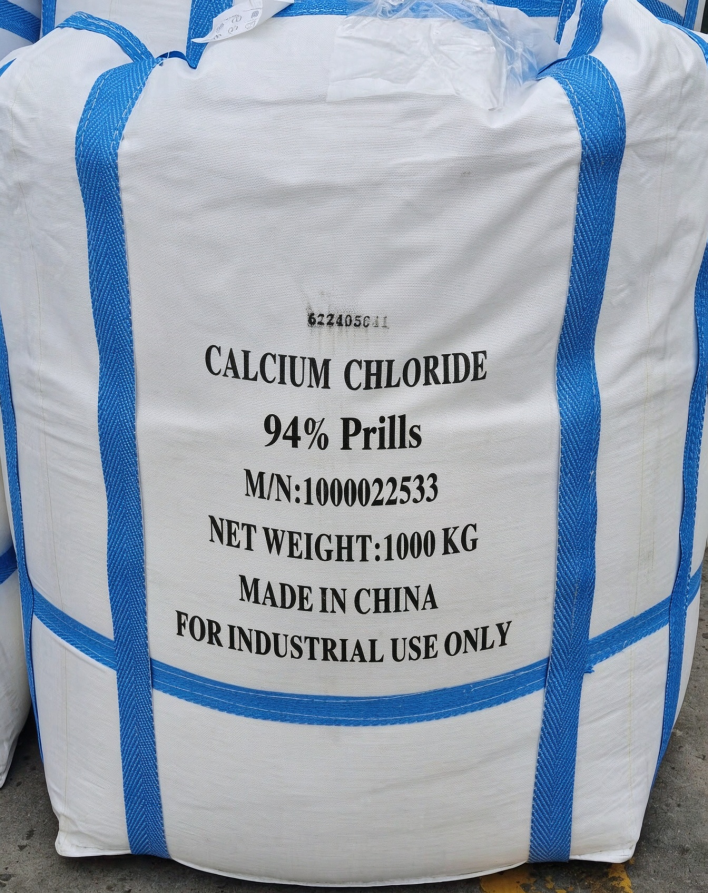
Standard spec sheets often list a minimum crush strength or a maximum moisture uptake, but those single-point values rarely capture what happens in a real storage bin or shipping container. A prill batch that passes the spec can still generate excessive fines during pneumatic conveying if the hardness distribution is skewed—say, 10% of the prills are far softer than the average. Similarly, moisture pick-up measured at 50% relative humidity for 24 hours tells you nothing about a humid coastal warehouse where the same prills sit for three months. Digging deeper means tracking hardness across size fractions and exposing samples to cyclic humidity rather than one static condition.
One practical approach is to run a drop-shatter test on prills that have already absorbed a small amount of surface moisture. Often the combination of slightly softened exteriors and internal stress from uneven drying causes breakage that neither test detects alone. Another overlooked factor is the cooling profile after prilling—rapid quenching can raise surface hardness while leaving a brittle core, which standard crush tests miss because they measure only peak force before first crack. For moisture, instead of reporting a single weight gain percentage, plot the absorption curve over 72 hours and note the inflection point where capillary condensation kicks in. That inflection often shifts dramatically with minor changes in prill porosity or residual oil content.
At the plant level, this deeper look usually reveals a trade-off between hardness and moisture resistance that is not obvious from the spec. For instance, adding a small amount of hydrophobic coating may reduce early moisture pick-up but also lubricate the prill surface, lowering crush strength by 15%. Or tweaking the melt temperature to boost hardness can create micro-cracks that later become moisture traps. The goal is not to abandon the standard spec but to map the response surface around it—so you know exactly how far you can push hardness before moisture sensitivity becomes a hidden problem in the field.
Check whether packaging can handle humid or long-distance transport
Packaging for long hauls rarely fails from a single knock; it's the slow combination of humidity cycling and repeated micro-vibrations. A carton that sits in a dry warehouse may pass a drop test, yet after three weeks at sea with 85% RH, the same box loses up to 40% of its stacking strength. So inspect the fibreboard grade, flute profile, and whether the seams are glued or stapled. If the route crosses tropical zones, add a moisture barrier—either a poly liner or a wax-coated outer layer—and make sure any internal pouches are sealed, not just folded.
Condensation is often the hidden culprit. When a container moves from cool night air into hot sun, the metal walls sweat, and that water drips onto the cargo if there is no headspace and no desiccant. Check that the packaging allows for a small air gap at the top, and place desiccant packs where they won't tear the liner. For especially long transits, consider calcium chloride strips fixed to the container walls rather than small silica gel sachets inside each box. Also test the tape: standard acrylic tape can lift at high humidity, while rubber-based or reinforced tape holds longer.
Don't forget the pallet base. Long-distance transport means forklifts, uneven floors, and multi-modal transfers. If the boxes hang over the pallet edge, they'll crush. Use a heavier board for the bottom layer, wrap each layer with at least two rounds of stretch film, and verify that the stretch film manufacturer's UV rating matches the number of weeks in transit. If the route includes a rail leg, add an extra corner protector, because rail shunting creates stronger lateral shocks than road travel.
Ask for a written contingency plan for plant shutdowns or delays
Requesting a written contingency plan shifts the conversation from hypothetical risks to concrete operational readiness. Rather than accepting verbal assurances, ask for the document that outlines step-by-step actions for equipment failure, supply chain interruptions, or workforce shortages. A useful plan doesn't just list emergency contacts—it details decision triggers, alternative production schedules, and how customer orders get prioritized when capacity drops. Without a written version, even experienced managers tend to improvise under pressure, which rarely matches the coordinated response a plant actually needs.
The request itself can reveal how seriously a facility treats downtime. If the response is a dusty binder last updated three years ago, that's a signal. If the team can walk you through recent simulations or tabletop exercises based on the plan, you're looking at a different level of preparedness. Ask whether the plan includes tiered responses—minor delay versus multi-week shutdown—and whether it assigns clear ownership for communicating with suppliers, regulators, and customers. A written plan forced through this kind of scrutiny becomes a living document, not a compliance checkbox.
Finally, don't settle for a summary. Ask to see the actual written procedures, including appendices for alternate suppliers, maintenance contracts, and staff recall lists. The way the plan is written matters too: vague phrases like "take appropriate action" hide accountability, while specific thresholds and named owners expose real thinking. If a plant can't produce a written contingency plan on request, that's often the clearest indicator of how they'll handle the next unexpected stoppage.
Compare total landed cost with packaging and freight included
When comparing total landed cost, packaging and freight are often the hidden variables that swing a sourcing decision. A lower unit price from a distant supplier can quickly lose its advantage once export cartons, palletizing, and ocean or air charges are added. Instead of relying on the supplier's FOB quote, pull together a line-by-line breakdown: product cost, inner and outer packaging, consolidation fees, customs brokerage, and last-mile delivery. Only then does the comparison reflect what your warehouse actually pays per unit.
Packaging alone can vary dramatically depending on whether you specify a master carton, polybag, hang tag, or retail-ready display box. Freight is just as volatile—LCL versus FCL, port congestion, fuel surcharges, and inland trucking all shift the final figure. Build a simple landed cost calculator that captures these inputs for each supplier side by side. You may find that a supplier with a 10% higher product price but a more efficient carton configuration and a port closer to your distribution network ends up cheaper overall.
To make the comparison useful, hold packaging specifications constant across quotes and ask each supplier to quote freight on the same Incoterms and routing. Then add your own forwarder's quote as a sanity check. The total landed cost, not the ex-works price, should anchor your negotiation and replenishment planning, especially when margins are tight and every dollar per carton counts.
Look for suppliers that offer flexible volume adjustments during peak season
A real pain point: most suppliers lock you into fixed minimums just when demand spikes. You want a partner who can ramp from your baseline order to double or triple without weeks of back-and-forth. Ask about their buffer capacity, production lead times under load, and whether they've handled sudden upward revisions before. The best ones will show you a clear escalation path rather than a wall of fine print.
Flexibility isn't just about adding units; it's also about trimming down if the season underperforms. A supplier that demands the same volume regardless of actual sell-through can leave you with dead stock. Talk through scenarios: what happens if you need to cut the second wave by 30%? What if a reorder window shrinks from three weeks to five days? Their answers reveal whether they truly manage variable volume or just tolerate it when convenient.
During peak season, the supplier's own upstream constraints matter too. A middleman with no control over raw materials or subcontracted lines cannot promise real flexibility. Look for signs of vertical integration, local backup production, or a track record of absorbing last-minute surges for other clients. The goal is to find a partner whose capacity planning already includes your volatility, not one who treats every adjustment as an exception.
FAQ
It points to a minimum calcium chloride content of 94 percent, with the remainder mostly water and minor impurities. That level suits de-icing, dust control, and many industrial uses where consistent melting power or moisture absorption matters. Buyers should still request a typical analysis rather than relying on the label alone.
A reliable partner usually controls or has direct access to production, can share batch-level quality data, and offers steady supply across seasons. Traders may shift stock origins without warning, which leads to inconsistent granule size or purity. Ask for a certificate of analysis for the exact lot before shipment, and check whether the supplier can handle repeat orders without long gaps.
Prills that are too soft break into dust, which complicates spreading and creates waste. Overly large or irregular prills may clog equipment or dissolve too slowly. Look for a supplier that reports a narrow size distribution and has test results on crush strength. A quick sample test with your own spreader often reveals more than a spec sheet.
Yes. Raw material source, production method, and drying control all influence the final product. Some regions use brine purification that leaves higher magnesium or sodium residuals, which can affect certain applications. Request a full typical analysis including insoluble matter and trace metals, and compare against your process tolerance before committing.
For prills, moisture protection is critical. Reliable suppliers typically provide sealed 25 kg or 50 kg bags with inner liners, and may offer bulk bags or bulk truck deliveries with tarping. Ask about palletization, UV protection for outdoor storage, and whether they can adjust packaging to your handling system. If they hesitate on packaging customization, that is often a warning sign.
Request references from similar industries, ask for third-party test reports, and if possible visit the production site or hire an inspection agent. Review the supplier's export history and documentation quality. Small inconsistencies in shipping marks, certificates, or response times often indicate larger operational problems.
Seasonal demand spikes can strain logistics, especially before winter. A competent supplier gives a realistic lead time, confirms vessel or truck space before signing, and communicates delays early. Be wary of promises that are too short for the stated production location or during peak months. Buffer stock agreements can smooth supply if your usage peaks sharply.
A supplier who asks about your storage conditions, spreading equipment, expected temperature range, and end-use performance is more likely to match the right product. Those who push only on price or claim one grade fits every purpose may leave you with costly field adjustments. The best partners talk through failure modes, not just specifications.
Conclusion
Selecting a calcium chloride 94% prills supplier goes well beyond comparing certificates. Have a pre-shipment sample sent to your own facility and run it under the humidity and temperature conditions you actually handle, because standard spec sheets rarely reveal how quickly prills soften or clump in real storage. Pay close attention to prill hardness and moisture pick-up behaviour over the first few days after opening a bag, not just the numbers on paper. Packaging is often overlooked until a shipment arrives with torn liners or moist lumps; ask about barrier liners, pallet wrapping and whether the bags have been tested for long sea freight to humid regions.
A dependable partner should also hand you a written contingency plan covering plant shutdowns or logistics delays, with named alternative production lines or stockpoints. When comparing quotes, fold in packaging, inland freight, port charges and demurrage risk rather than focusing on the ex-works price. Total landed cost often exposes hidden differences between suppliers. Finally, test their flexibility: can they hold extra volume during peak season or adjust delivery schedules without penalising you? Suppliers that handle these operational realities smoothly tend to be far less stressful to work with when demand spikes or supply chains tighten.
Contact Us
Contact Person: Tom Cui
Email: [email protected]
Tel/WhatsApp: +8618663670626
Website: https://www.jinjigoldenchem.com