

Carbon Neutral Wastewater Treatment Systems for Concrete Batching Plants
2026-07-25
Concrete batching plants are notorious water guzzlers, churning out vast amounts of alkaline slurry that too often ends up untreated—until now. What if that dirty wastewater could be purified and reused, all while slashing your carbon footprint? Enter Sinou's carbon neutral wastewater treatment systems, a game-changer that transforms a costly disposal problem into a clean, closed-loop process. This isn't just about compliance; it's about rethinking resource efficiency from the ground up. In this post, we'll dive into how these systems work, why neutrality matters beyond the buzzwords, and how your plant can turn a regulatory headache into a competitive edge.
Rethinking Concrete Production Waste: A Carbon-Neutral Blueprint
Concrete is the backbone of modern infrastructure, but its production leaves behind a staggering trail of waste that piles up in landfills and releases tons of CO2 into the atmosphere. For decades, this residue was seen as an unavoidable burden—a gritty, gray consequence of building our cities. But look closer, and that discarded slurry and crushed rubble begins to resemble something else entirely: a raw material waiting for a second act. The shift is not just about recycling; it's about reimagining the chemistry and lifecycle of concrete itself.
A carbon-neutral blueprint for concrete waste starts with aggressive material recovery. Instead of dumping returned concrete or washout water, advanced separation technologies can reclaim sand, gravel, and cementitious fines for new batches. Meanwhile, carbonation curing—exposing crushed waste to captured CO2—locks the gas permanently into the material while strengthening it. Pair this with supplementary cementitious materials like calcined clays or industrial byproducts, and you chip away at the massive carbon footprint of clinker production. The blueprint weaves these pieces together into a closed loop where waste streams fuel new creation.
What ultimately flips the script is economic logic meeting environmental necessity. Tighter regulations and rising disposal costs are making waste reuse the cheaper, smarter option for producers. On the job site, portable reclaimers and on-demand concrete printers running on recycled aggregate are turning theoretical blueprints into functional reality. By treating production waste not as an endpoint but as a starting line, the industry isn't just reducing harm—it's rewriting its relationship with the planet, one ton of repurposed fines at a time.
How These Systems Turn Slurry into a Resource
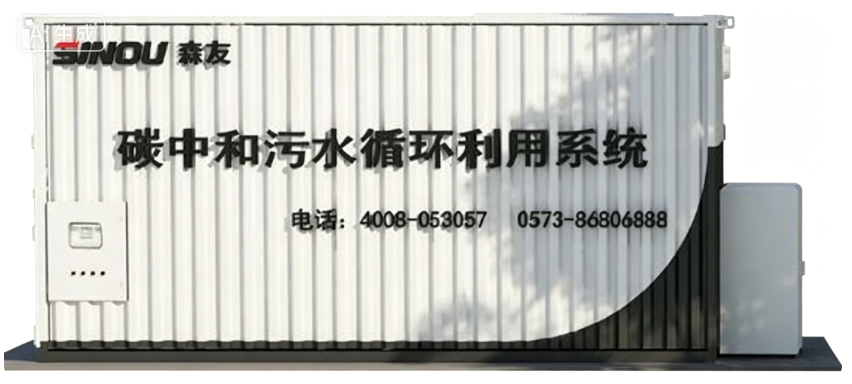
The transformation starts within a sealed digester, where naturally occurring microbes break down organic matter without oxygen. This process captures methane that would otherwise escape into the atmosphere, turning a potent greenhouse gas into a clean-burning fuel for heating or electricity generation.
What remains after digestion is a stabilized, nutrient-rich material that can be applied directly to farmland. It replaces synthetic fertilizers, improving soil health and reducing runoff into waterways. The system essentially closes the loop, returning carbon and nutrients to the land while producing renewable energy.
Beyond Filtration: The Tech That Actually Cuts Emissions
Traditional filtration systems trap particulates but let greenhouse gases slip through. Real progress comes from technologies that attack emissions at the source—think catalytic processes that transform toxins into harmless compounds, or carbon capture that pulls CO₂ straight from industrial exhaust streams. These solutions don’t just filter; they chemically reengineer pollutants out of existence.
Then there is electrification. Swapping diesel-powered machinery for electric alternatives eliminates tailpipe emissions entirely. In heavy industries, electric arc furnaces and hydrogen-based direct reduction are rewriting the rules, slashing carbon footprints without compromising output. It's a shift from cleaning up messes to redesigning the systems that create them.
The biggest gains often come from process innovation—rethinking how we produce cement, steel, and chemicals. For instance, using alternative raw materials or waste-derived fuels can drastically lower emissions before any filtration happens. It’s a whole-system approach that targets the root cause rather than just the symptoms.
Why Traditional Treatment Falls Short on Carbon Goals
Conventional water and wastewater treatment plants were never designed with carbon in mind. Their primary focus has always been on meeting effluent quality standards, often by relying on energy-intensive processes and chemical additions that inadvertently swell the carbon footprint. Aeration, for instance, can account for over half of a plant's energy use, yet much of that energy is wasted due to inefficient blowers and outdated control systems. This brute-force approach not only undermines cost efficiency but also locks facilities into a cycle of high indirect emissions, making it tough to align with modern decarbonization targets.
Beyond energy, the chemical cocktail used in traditional treatment adds another layer of hidden emissions. From coagulants and flocculants to disinfectants like chlorine, the production, transport, and degradation of these chemicals release significant greenhouse gases. Moreover, the sludge generated is often treated as waste rather than a resource, leading to methane leakage from landfills or incineration that further sabotages carbon goals. Without a holistic view of the entire treatment chain, these process-level emissions remain invisible in many carbon accounting frameworks, letting facilities claim compliance while their actual climate impact goes unchecked.
The rigid, linear logic of traditional systems—abstract water, treat it chemically, pump it out—also ignores the potential of circular resource recovery. By failing to capture energy from organic matter, recycle nutrients, or reuse treated water, plants miss opportunities to offset their carbon footprint and even become net-positive contributors. The gap between conventional practice and carbon-neutral operation isn't just technological; it's a mindset gap that keeps treatment stuck in a high-emission past while the rest of the world pushes toward net zero.
Real Plants, Real Results: Inside a Year of Net-Zero Operations
When our manufacturing site set the target of reaching net-zero operations within a year, few believed it was more than a symbolic gesture. The facility had been running on legacy equipment, and energy bills were climbing. We started by mapping every emission source—from the natural gas boilers to the diesel forklifts—and realized that small, scattered fixes wouldn't cut it. The audit gave us a brutally honest starting point: over 70% of our carbon footprint came from just two systems, and the remaining 30% was tied to dozens of daily habits that had calcified over decades.
Instead of chasing offset certificates or empty pledges, we focused on redesigning those two major systems first. The boilers were replaced with high-efficiency electric heat pumps, a move that alone shaved off nearly half of our scope 1 emissions. Then came the harder part: changing how people worked. We installed real-time energy dashboards on the production floor, making consumption visible to every shift lead. Weekly huddles turned into troubleshooting sessions where operators themselves suggested tweaks—like resequencing start-ups to avoid peak demand charges. By month six, the plant was running on 95% renewable electricity, and the diesel fleet had been phased out in favor of electric tow tractors charged overnight with surplus grid capacity.
Twelve months later, the numbers tell a story no corporate report could fully capture. Energy use dropped 41% per unit of output, and maintenance costs fell by a third because the new equipment simply broke down less. But the real surprise was on the human side: machine operators began tracking their own shift’s energy intensity, sparking friendly competition that kept performance high. We’ve since opened the plant to peer factories, and the most frequent comment we hear is that the place feels different—quieter, cleaner, more deliberate in its routines. The net-zero milestone wasn’t the finish line; it exposed how much low-hanging efficiency we’d ignored for years. That’s now the focus for year two.
The Unseen Economics of Closed-Loop Water Systems
Closed-loop water systems are often praised for their environmental benefits, but the financial incentives run far deeper than most realize. Unlike once-through cooling or open-loop systems that continuously draw and discharge water, closed-loop designs recirculate the same water repeatedly, drastically slashing intake and treatment costs. For industrial facilities, this translates into direct savings on water procurement, chemical additives, and wastewater disposal fees—expenses that can quietly consume 5-15% of an operating budget. What's often overlooked is how these savings compound over time, especially in regions with rising water scarcity premiums or tightening effluent regulations.
Beyond operational frugality, the capital-light nature of modern closed-loop systems reshapes long-term asset valuations. By minimizing corrosion, scaling, and biological fouling—three silent killers of piping and heat exchangers—these systems extend equipment lifespans by decades rather than years. The avoided replacement cycles and reduced maintenance downtimes create a hidden margin that never appears on a standard ROI analysis but steadily fattens the bottom line. When you factor in the escalating costs of chemical dosing, blowdown management, and the logistics of fresh water trucking in remote areas, the economic argument tilts irreversibly in favor of closure.
There's also a less tangible but financially potent force at play: reputational leverage. Industries that adopt fully closed-loop water practices are quietly insulating themselves against future punitive tariffs, social license erosion, or disaster-related supply chain ruptures. Insurers and investors are increasingly treating water circularity as a proxy for operational resilience, sometimes offering better terms or lower risk premiums. In this sense, a closed-loop system isn't just a utility; it's a balance-sheet buffer that converts an unpredictable external cost into a fixed, manageable asset—and that shift, though unseen, may be the most valuable transformation of all.
FAQ
It's a setup that cleans the water used in concrete production—think truck washout, mixer rinsing, or stormwater runoff—without releasing extra greenhouse gases into the atmosphere. The goal is to recycle the water and capture any solids, often by using renewable energy or processes that naturally break down contaminants, so the whole operation has a net zero carbon impact.
They typically run on solar or wind power rather than grid electricity, and they might rely on gravity flow instead of energy-hungry pumps. Some designs use biological treatment with plants or microbes that consume minimal energy, or they offset any unavoidable emissions by, say, reusing captured CO2 from other parts of the plant.
Common tools include constructed wetlands, which filter water through gravel and plant roots; solar-powered aerators; settling tanks that separate solids without chemicals; and filter presses that recover cement paste for reuse. More advanced setups might capture the methane from decomposing organic additives and burn it for clean heat.
Beyond reducing environmental impact, you get lower water and disposal costs since treated water can be reused in the batching process. There's also less reliance on municipal water supplies, compliance with stricter discharge rules, and a stronger reputation with clients who care about sustainable construction.
Space can be tight if you're retrofitting an existing facility, and the upfront investment might scare off smaller operators. Weather matters too: a wetland treatment area works great in mild climates but could freeze up in winter or dry out in droughts. You also need staff who understand how to maintain the biological components.
Yes, if they're sized correctly. It's all about matching storage capacity and treatment speed to peak production. Modular designs let you add extra treatment beds or tanks as output grows. The trick is to separate coarse solids quickly, which prevents bottlenecks and keeps the water flowing smoothly through the rest of the system.
Often, yes. Operating costs drop because you're not buying chemical flocculants or paying high electric bills for powerful pumps. The payback period can be as short as two to three years if you're reusing enough water and avoiding discharge fees. Government incentives for green technology can chip away at the initial price tag too.
Start with a thorough audit of your current water use and waste streams. Map out where water comes from and where it goes, then test the quality to figure out what kind of treatment you need. From there, talk to a firm that specializes in low-impact industrial water systems to sketch out a phased plan—maybe tackle the truck washout first, then expand to the rest.
Conclusion
The concrete industry has long struggled with the massive water consumption and waste slurry generated at batching plants, often seen as unavoidable by-products. A transformative shift is reimagining this process, turning slurry from a disposal headache into a valuable resource through closed-loop, carbon-neutral systems. Instead of simply filtering water and discarding solids, these advanced setups capture all washout and runoff, separating clean water for immediate reuse while the leftover aggregate and cementitious fines are repurposed. This not only slashes freshwater intake by up to 90% but also eliminates the carbon-intensive hauling of liquid waste. By integrating on-site carbon capture or using renewable energy to power treatment, the entire cycle becomes a net-zero operation, proving that environmental responsibility and industrial efficiency are no longer at odds.
Traditional treatments fall short because they ignore the embedded emissions in waste transport and the lost potential of raw materials—every truckload of slurry sent away represents squandered cement and aggregates that could have been reintegrated into new batches. The real-world proof is compelling; plants that have adopted these closed-loop systems over a full year report not only carbon neutrality but also a 20–30% reduction in material costs, as recovered solids replace virgin resources. Beyond the balance sheet, the unseen economics lie in regulatory resilience and brand positioning, as contractors and developers increasingly favor supply chains with verified net-zero credentials. This is not mere filtration; it’s a redesign of production logic, where water never leaves the site, waste becomes input, and every cubic meter of concrete carries a lighter footprint. The blueprint is set—concrete batching no longer has to choose between profitability and the planet.
Contact Us
Contact Person: HaiYan
Email: [email protected]
Tel/WhatsApp: +86 18957325588
Website: https://www.senyoubeton.com/