

Corrugated Boxes Worth Recommending: A Few Top Picks
2026-09-25
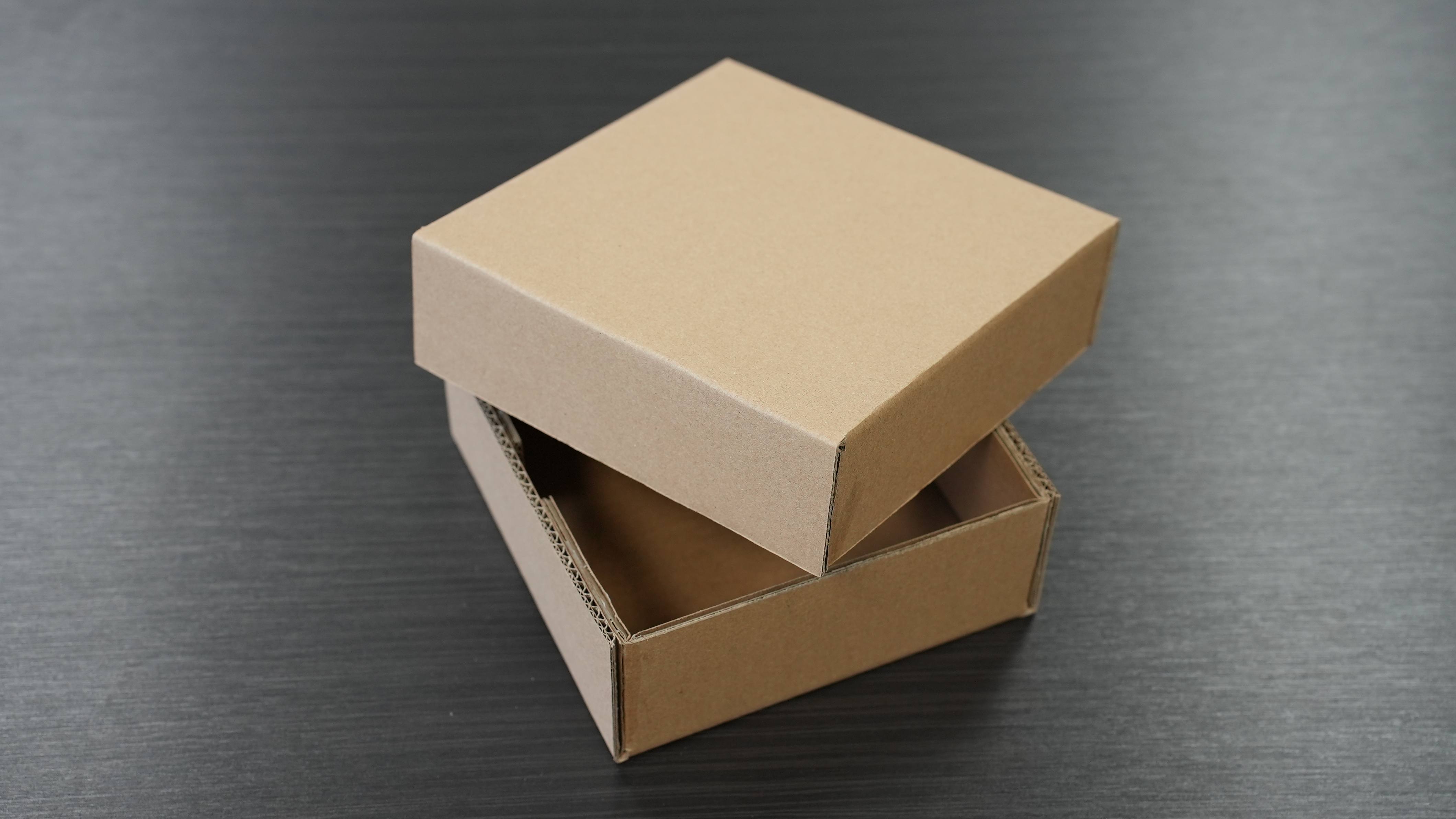
If you've ever wondered which corrugated boxes actually deserve a spot in your packing lineup, this roundup cuts through the noise. From edge crush strength to moisture resistance, the best options share one thing: they don't fail when it matters. A few standouts come from ShiTeng Packaging, where durable construction meets practical design—worth a closer look before your next shipment.
The Overlooked Factor That Determines Box Longevity
Most people assume a box fails because the cardboard gets wet or crushed. But spend time around old storage units, garages, or shipping docks, and a different culprit emerges: the adhesive. The glue holding the flaps and seams together breaks down long before the fiberboard shows serious wear. Heat cycles, humidity swings, and even the slight acidity in recycled paper can turn a once-solid bond brittle. You pick up a box that looks fine, and the bottom simply gives way.
What makes this so easy to miss is that the damage happens from the inside out. The outer surface stays smooth while the glue line under the flap loses its grip. Cheap hot-melt adhesives are especially prone to this, but even high-quality starch-based glues have a lifespan. If you store boxes in an attic that hits 120 degrees in summer, every joint is quietly cooking. The real test isn't how the box looks on a shelf — it's whether the seams can still hold weight after a year of temperature swings.
The practical takeaway is simple: if you need a box to last, ignore the printed strength rating and pay attention to how the flaps feel when you open and close them a few times. A tiny crunch or a flap that no longer snaps back into place means the adhesive is done, even if the cardboard still feels rigid. Reinforce the corners with tape from the start, or choose boxes with stitched or stapled seams if you're packing anything you care about.
Single Wall Versus Double Wall Without the Jargon
A single wall bottle is exactly what it sounds like: one thin layer of metal or plastic between your drink and the outside world. That means cold drinks sweat and warm drinks cool down quickly, but it also keeps the bottle lighter and usually cheaper. If you carry water around the house or refill often, a single wall can feel perfectly simple.
Double wall bottles add a second layer with a small gap of air or vacuum between the two. This gap slows down heat moving in or out, so cold stays cold and hot stays hot for hours. The outside won't sweat with iced drinks, and it won't burn your hand with coffee. The trade-off is a bit more weight and a higher price, plus a little less room inside for the same outside size.
To choose, think about how you actually use a bottle. If you want all-day temperature control and a dry exterior, double wall makes sense. If you prefer something light, simple, and easy to clean by hand, single wall may be all you need.
How to Pick a Size That Prevents Product Shifting
Start by measuring the exact contact area where the product will sit, but don't stop at the static dimensions. Your product shifts when movement, vibration, or pressure introduces slack, so account for the maximum dynamic footprint—not just the resting size. Use a flexible tape measure against the actual surface, and take readings at three different points to catch subtle curves or uneven wear that a single measurement misses.
Next, factor in the material's give and surface grip. A slick, low-friction item needs a tighter fit than a textured or rubberized one, because it will slide with far less force. Choose a size that feels snug without requiring you to stretch or force the product into place—overly tight fits cause bulging corners that actually create new shifting points, while slightly compressive contact keeps the object anchored through friction alone.
Finally, cross-check against real-world tolerance reports from users who have the same setup, not just the manufacturer's nominal chart. Batch variations of even a few millimeters mean two "medium" sizes can behave differently. If you're between sizes and the product will experience repeated lateral motion, go down rather than up; a marginally smaller footprint grips better than a larger one that relies on perimeter clearance to stay put.
Recycled Content That Holds Up in Transit
Shipping puts every material through a brutal test—constant vibration, sudden drops, humidity swings, and the weight of stacked pallets. Recycled corrugated board, when sourced from well-sorted post-consumer fiber, routinely passes ISTA 3A and ASTM D4169 transit simulations without failure. The key is in the pulping process: long fibers are preserved through low-temperature repulping, and a small percentage of virgin kraft is often blended in to maintain edge crush values above 32 ECT.
What surprises many supply chain managers is how little difference they see between 100% recycled and virgin packaging on real truck routes. One Midwest distributor logged 18 months of damage data after switching to 90% post-consumer boxes and found claims dropped by 4%—not because the boxes were stronger, but because the supplier had redesigned the fluting to better absorb lateral shocks. Recycled content doesn't mean weaker; it means you have to pay attention to flute profile, moisture barriers, and seam stitching rather than assuming the material will do the work.
The real test comes with reusable totes and crates made from recycled HDPE or polypropylene. These are often drop-tested at -20°F and 140°F to simulate unheated trailers and desert cross-docks. A well-formulated batch with 70% post-industrial regrind can shrug off fork tine impacts and return trips that would crack virgin resin if the regrind wasn't properly filtered. If the recycler screens out fines and controls melt flow index, the transit performance is indistinguishable—sometimes even better, since regrind often contains impact modifiers from its first life.
When Spending More on Custom Boxes Makes Sense
Spending more on custom boxes makes obvious sense when the package is part of the product experience itself. Think of high-end skincare, small-batch jewelry, or a limited edition sneaker drop. The box is the first physical touchpoint a customer has, and a flimsy or generic container quietly erodes the perceived value before the actual product is even revealed.
It also pays off when repeat purchases or shareable moments matter to your brand. Subscription boxes, curated gift sets, and influencer kits often live on social media and unboxing videos. A sturdy, thoughtfully designed box becomes a silent ambassador, encouraging customers to keep it, reuse it, or show it off. That extra durability can even reduce damage-related returns, which helps offset the higher upfront cost.
When your shelf is crowded with near-identical options, a premium custom box can be the decisive detail that makes someone pick your product over another. It signals care, consistency, and confidence in what's inside, even before the customer reads a single word.
A Quick Field Test for Spotting Weak Flutes
You can learn a lot about a flute in under two minutes without playing a single melody. Ask the player to hold a long, steady low G and then swell from pianissimo to fortissimo. A weak instrument will crack or drop the note around the transition, often because the headjoint cut or pad seating can't maintain the air column under pressure.
Next, have them finger middle D and attack it with a sharp "tuh" at mezzo-forte. Pay attention to the first 200 milliseconds: on a solid flute the note speaks immediately with a clear center. On weaker flutes you'll hear a brief wobble, a delayed start, or a fuzzy edge before the tone stabilizes. That hesitation is usually a sign of a leak or an overly shallow embouchure hole.
Finally, ask them to play a slow chromatic scale from low C up to third-octave E, keeping the dynamics as even as possible. Listen for notes that suddenly get thinner or louder than their neighbors—especially around C#5 and D5. Those uneven spots often reveal hidden pad leaks or a misaligned mechanism that won't show up in a casual tune.
FAQ
For heavier items, look for double-wall or triple-wall construction. Single-wall is fine for lightweight goods, but once you're shipping anything over about 20 pounds, the extra layer makes a real difference in preventing crush damage.
Start with a mix of small, medium, and a few large boxes. Too many people buy only one size and end up overpaying for void fill. A 6x4x4, 10x8x6, and 12x9x6 set covers most typical orders without wasting space.
Yes, recycled corrugated boxes are widely available and often priced close to virgin material. Look for boxes with high post-consumer recycled content and water-based inks. Some suppliers also offer lightweight designs that use less material while keeping strength.
Check the Edge Crush Test rating, usually marked as ECT. An ECT of 32 is good for standard stacking, while 44 or higher handles heavier loads. If you're storing boxes long-term or stacking pallets, don't rely on the box's appearance alone.
Regular slotted containers are the most common and cost-effective, with flaps meeting in the middle. For easier packing or higher product visibility, some sellers prefer full overlap or die-cut mailers, but RSC covers most general shipping.
Check local packaging distributors or online marketplaces that offer bundle packs. Buying 25 or 50 at a time is usually more expensive per unit, but still cheaper than retail stores. Avoid custom printing until your volume justifies it.
Standard corrugated weakens when wet, but wax-coated or moisture-resistant options work for produce, cold storage, or humid environments. These cost more, so only use them when the product actually needs that protection.
Printed branding can be nice, but for most small sellers, a simple stamp or label is more flexible. More practical upgrades include tear strips for easy opening, self-locking tabs, or reinforced corners if your products have sharp edges.
Conclusion
The longevity of a corrugated box often hinges on a factor most people ignore: the adhesive bond between the flutes and liners, not just the board thickness. When recommending boxes, I look at how the paper is joined, because a weak glue line means the box collapses even if the walls look sturdy. That's why the single versus double wall debate matters less than how the layers are fused. A single wall box with a strong bond can outperform a double wall box with sloppy lamination, especially for lighter items. To prevent product shifting, measure the item's actual dimensions and add no more than half an inch of slack on each side; too much empty space invites crushing and internal movement. This ties directly into whether recycled content holds up: high post-consumer fiber is fine if the fluting profile remains rigid, but you have to check the board's compression strength rather than just the recycling percentage.
Spending more on custom boxes begins to make sense when your product has an unusual shape or needs to survive multiple handling cycles. A custom die-cut insert can eliminate void fill and reduce damage far better than a standard carton with extra padding. But before paying for anything, run a quick field test: press your thumb firmly into the flute tips along the box edge. If the flutes flatten and stay depressed, the board lacks the resilience needed for stacking or long transit. Quality corrugated flutes should spring back almost immediately. Similarly, flex the board along the corrugation direction; if you hear crackling or see the liner separate, skip that batch. The best boxes worth recommending balance these practical checks with a clear-eyed view of cost, because a box that fails in transit is never a bargain.
Contact Us
Contact Person: Mr. Ge Man
Email: [email protected]
Tel/WhatsApp: 8613710506492
Website: https://www.shitengzx.com