

Electrical Transformer ODM: Powering Efficiency and Reliability in Modern Solutions
2025-12-31
In an era where energy demands are soaring and reliability is non-negotiable, the electrical transformer stands as a silent yet pivotal force behind modern infrastructure. At Lugao, we’ve seen firsthand how Original Design Manufacturing (ODM) isn't just about building components—it's about crafting solutions that drive efficiency and ensure unwavering reliability. This blog explores how advanced transformer ODM, like ours, is not only meeting today's challenges but also shaping the resilient, sustainable systems of tomorrow. Dive in to discover how these innovations can elevate your projects and redefine what's possible in power management.
Unveiling the Core of Electrical Transformer ODM: Essential Components and Design
At the heart of an electrical transformer ODM lies a meticulous assembly of critical components that define its performance and reliability. The core, typically crafted from high-grade silicon steel, is engineered to minimize energy loss through hysteresis and eddy currents, ensuring efficient magnetic flux transfer between windings. Winding configurations, whether copper or aluminum, are precisely designed with insulation layers to handle voltage ratings and thermal stresses, while the tank and cooling system—often oil-filled or dry-type—manage heat dissipation to prolong operational life. These elements must align with stringent international standards, such as IEC or ANSI, to meet diverse application needs from power grids to industrial settings.
Designing a transformer involves balancing trade-offs between size, efficiency, and cost, tailored to specific ODM requirements. Advanced simulations and prototyping allow for optimization of parameters like short-circuit impedance and noise levels, ensuring robust performance under varying loads. Innovations in materials, such as amorphous cores or biodegradable oils, are increasingly integrated to enhance sustainability and reduce environmental impact. This customized approach enables ODMs to deliver transformers that not only meet technical specifications but also adapt to emerging trends like smart grids and renewable energy integration, offering clients scalable solutions with minimal downtime.
Beyond the technical aspects, successful ODM partnerships hinge on collaborative design processes that prioritize client input and rapid iteration. From initial concept sketches to final testing protocols, every stage involves close communication to refine features like modularity for easy maintenance or compact footprints for space-constrained installations. By leveraging deep expertise in electromagnetic theory and manufacturing best practices, ODMs can create transformers that stand out through enhanced safety features, such as advanced protection relays, and aesthetic considerations for visible installations. Ultimately, this holistic design philosophy ensures each transformer is not just a component but a reliable cornerstone in power distribution systems worldwide.
Boosting Energy Efficiency Through Advanced Transformer ODM Technologies
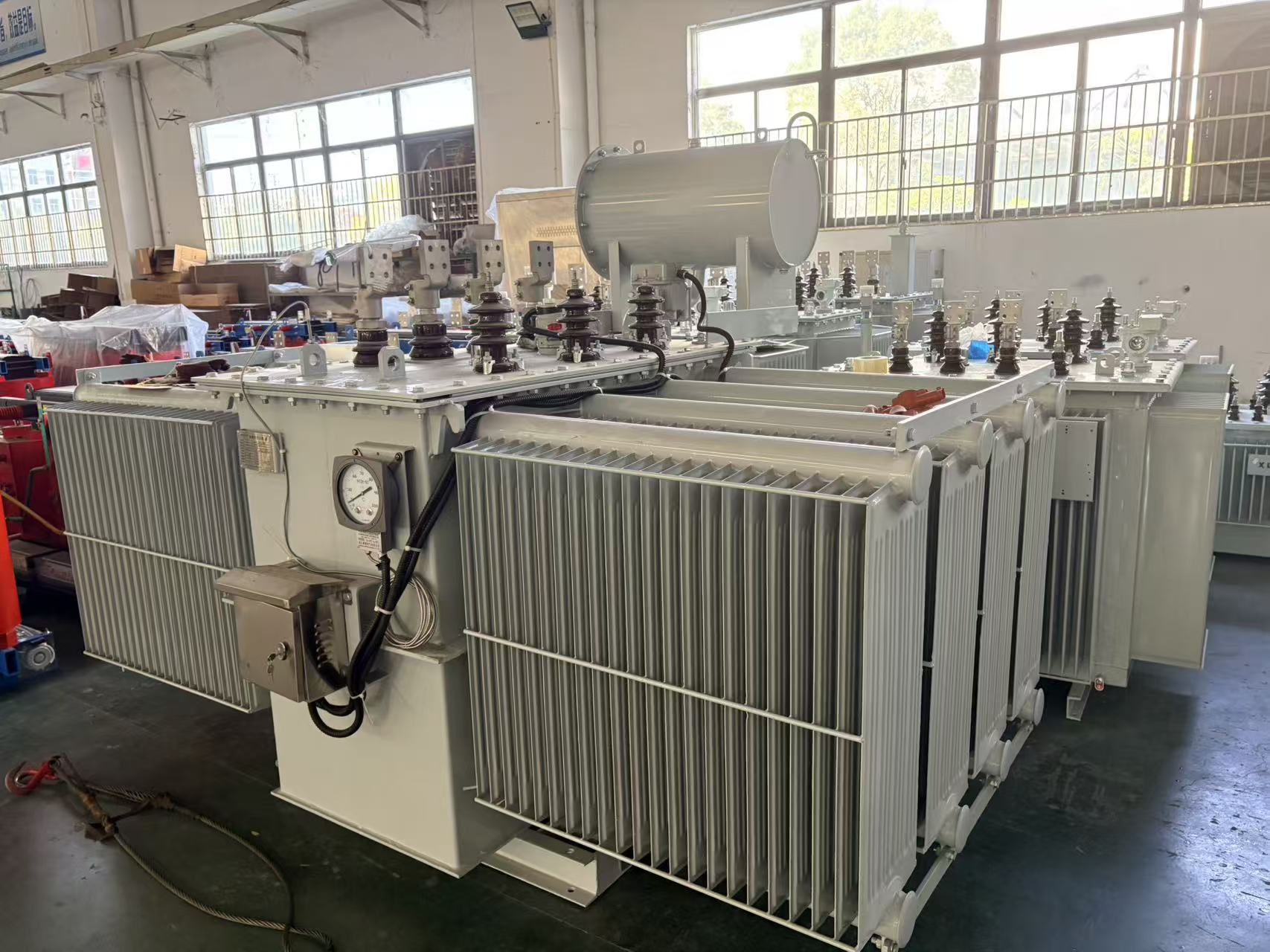
Transformers play a crucial role in power distribution, but traditional models often suffer from significant energy losses, contributing to higher operational costs and environmental impacts. Advanced ODM (Original Design Manufacturer) technologies are revolutionizing this landscape by integrating cutting-edge materials like amorphous steel and innovative cooling systems that dramatically reduce core and copper losses. This focus on design optimization not only enhances the overall efficiency of transformers but also leads to substantial energy savings in grid operations, making them a key component in sustainable energy management strategies.
In practice, adopting advanced ODM technologies allows manufacturers to customize transformers for specific applications, such as industrial complexes or renewable energy farms, where precise voltage control and minimal waste are vital. By leveraging digital tools for simulation and testing, these technologies enable the creation of more compact and resilient units that operate at peak performance under varying loads. This tailored approach not only boosts efficiency but also extends the lifespan of equipment, reducing the need for frequent replacements and thereby lowering both energy consumption and maintenance costs.
For businesses looking to stay ahead in a competitive market, investing in advanced transformer ODM solutions offers a clear advantage by aligning with global initiatives for reduced carbon footprints. These technologies facilitate smarter energy usage through features like real-time monitoring and adaptive controls, which help prevent overloading and optimize power flow. As a result, organizations can achieve better regulatory compliance, improve their sustainability credentials, and ultimately contribute to a more reliable and eco-friendly energy infrastructure.
Enhancing Reliability with Rigorous Quality Assurance in Transformer ODM
Rigorous quality assurance in Transformer ODM goes beyond standard testing protocols, integrating real-world simulation and predictive analytics to anticipate potential failures before they occur. By employing methods like accelerated life testing and environmental stress screening, manufacturers can pinpoint vulnerabilities early, ensuring that each transformer unit delivers consistent performance under varying operational conditions. This proactive approach not only boosts product durability but also aligns with industry demands for energy efficiency and long-term reliability, setting new benchmarks in power infrastructure.
Collaboration with suppliers and custom-design solutions plays a crucial role in enhancing reliability, as quality assurance teams work closely to tailor materials and assembly processes for specific applications. For instance, implementing advanced diagnostics and digital twin technologies enables continuous monitoring and feedback loops, allowing for iterative improvements throughout the production cycle. This synergy fosters a culture of innovation where every component is scrutinized for optimal functionality, reducing downtime and maintenance costs in critical sectors like renewable energy and industrial grids.
Ultimately, the emphasis on rigorous quality assurance transforms transformer ODM into a strategic advantage, as it builds trust with clients through transparent validation reports and compliance with international standards like IEC and IEEE. By focusing on robust testing, data-driven insights, and adaptable manufacturing techniques, companies can ensure that their products not only meet but exceed expectations, paving the way for smarter, more resilient electrical systems in an increasingly complex global market.
Customizing Solutions: Tailored ODM Transformers for Diverse Applications
In today's fast-paced industrial landscape, one-size-fits-all transformer solutions often fall short of meeting the specific demands of various applications. That's where the concept of tailored ODM transformers comes into play—they're not just off-the-shelf components but custom-engineered products designed from the ground up to align with unique client requirements. By collaborating directly with manufacturers, businesses can specify everything from voltage ratings and thermal performance to enclosure materials, ensuring optimal efficiency and reliability in environments as diverse as renewable energy systems, medical equipment, or advanced robotics.
What sets these transformers apart is their ability to integrate seamlessly into complex systems without the need for extensive modifications. Imagine a transformer that's precisely calibrated for a niche application in aerospace, where weight and durability are critical, or one fine-tuned for data centers to handle fluctuating loads efficiently. This customization goes beyond mere specs; it involves in-depth consultations to understand operational challenges, leading to innovations that enhance safety, reduce operational costs, and extend product lifespans, giving companies a competitive edge in their respective fields.
Ultimately, opting for tailored ODM transformers means investing in solutions that evolve with technological advancements. As industries push the boundaries of what's possible—from IoT devices to electric vehicles—these custom transformers adapt by incorporating features like smart monitoring or eco-friendly materials. This proactive approach not only future-proofs infrastructure but also fosters partnerships where continuous improvement drives mutual success, making it a strategic choice for organizations aiming to stay ahead in a dynamic market.
Innovating for the Future: Cutting-Edge Trends in Electrical Transformer ODM
The electrical transformer industry is undergoing a significant transformation, driven by a push towards smarter, more efficient, and environmentally friendly solutions. Original Design Manufacturers (ODMs) are at the forefront, leveraging advanced materials like amorphous cores to reduce energy losses and adopting modular designs that allow for easier customization. This shift not only enhances performance but also supports global sustainability goals by minimizing carbon footprints. As energy demands grow, these innovations ensure transformers can handle increased loads while maintaining reliability, setting a new standard for the sector's future.
Another key trend is the integration of smart technologies, enabling real-time monitoring and predictive maintenance. ODMs are embedding IoT sensors and AI algorithms into transformers, allowing them to communicate data on temperature, voltage, and performance anomalies. This connectivity helps prevent failures, optimize energy distribution, and extend equipment lifespan. By focusing on such intelligent systems, manufacturers are moving beyond mere production to offer value-added services that enhance grid resilience and meet evolving customer needs in a digital age.
Customization is also becoming a hallmark of modern ODM approaches, with bespoke solutions tailored to specific industries like renewable energy or data centers. For instance, transformers designed for wind farms incorporate features to handle variable power inputs, while those for IT facilities prioritize compact sizes and high efficiency. This adaptability allows ODMs to address niche markets effectively, fostering innovation through collaborative partnerships. As technology advances, these trends are reshaping how transformers are developed, ensuring they remain crucial in powering a more connected and sustainable world.
Streamlining Integration: Seamless Deployment of ODM Transformers in Modern Systems
Integrating ODM transformers into today's tech stacks often feels like trying to fit a square peg in a round hole, but it doesn't have to be that way. By adopting containerization strategies and leveraging microservices architecture, teams can deploy these powerful tools without disrupting existing workflows. The key lies in designing lightweight APIs that act as bridges, enabling seamless communication between the transformer models and other system components, thus reducing integration friction to a minimum.
What sets modern deployments apart is the emphasis on automation and scalability from the get-go. Instead of manual configurations, you can use infrastructure-as-code tools to spin up ODM transformers on-demand, ensuring they scale with your data needs. This approach not only cuts down deployment time but also makes the system resilient to spikes in processing demands, allowing businesses to handle large datasets efficiently without constant oversight.
Beyond the technical setup, success hinges on fostering a culture of collaboration between data scientists and engineers. When everyone's on the same page about deployment goals, you can tailor the integration to highlight the transformers' strengths—like real-time data normalization—while keeping the overall system agile. The result? A cohesive environment where ODM transformers boost performance without becoming bottlenecks, making them feel like a natural extension rather than an add-on.
FAQ
Electrical transformers are essential because they efficiently step up or down voltage levels, enabling safe and reliable power transmission and distribution across various applications.
ODM transformers often incorporate custom designs tailored to specific needs, using advanced materials and optimized engineering to reduce energy losses and improve overall system performance.
Reliability is a top priority in ODM services, as custom transformers are built with robust components and rigorous testing to withstand operational stresses, ensuring longevity and minimal downtime.
Innovations such as smart monitoring systems, eco-friendly insulating fluids, and compact, high-efficiency designs are pushing transformer technology forward, making solutions more sustainable and adaptable.
ODM transformers can be customized for various industries, from renewable energy grids to industrial automation, by adjusting specifications like voltage ratings and cooling methods to fit unique operational demands.
Customization allows transformers to be precisely matched to load requirements and environmental conditions, reducing wasted energy and optimizing power usage in specific setups.
Modern transformers use less-toxic materials, improved recycling processes, and higher efficiency ratings, which collectively lower carbon footprints and support greener energy initiatives.
Conclusion
Electrical Transformer ODM (Original Design Manufacturing) is revolutionizing modern power solutions by focusing on efficiency and reliability, starting with its core components and design. By integrating advanced technologies, these transformers boost energy efficiency, ensuring optimal performance in diverse applications. Rigorous quality assurance processes further enhance their reliability, making them indispensable in today's energy landscape. Customization plays a key role, as tailored ODM transformers are designed to meet specific needs across various industries, from industrial setups to renewable energy systems.
Looking ahead, innovation drives the future of electrical transformer ODM, with cutting-edge trends paving the way for smarter, more sustainable solutions. Seamless integration into modern systems streamlines deployment, ensuring these transformers operate efficiently and reliably in complex environments. Overall, ODM transformers are not just components but strategic tools that power modern solutions, emphasizing practical benefits and long-term value without relying on generic descriptions or buzzwords.
Contact Us
Contact Person: Doreen
Email: [email protected]
Tel/WhatsApp: 8618057712366
Website: https://www.liugaopower.com/