

High Evaluation Gift Box Ideas for Memorable Presents
2026-10-07
Finding a present that truly lingers in someone’s memory often comes down to the moment of unwrapping. The box itself is the first embrace of your gift, setting the tone before the lid is even lifted. At Kuaijie Carton, we believe memorable presents deserve packaging that earns a high evaluation at first glance. That’s why we’ve gathered a fresh set of gift box ideas that blend tactile detail with emotional impact — no generic ribbons or recycled clichés. From textured finishes that invite a slower touch to structural surprises hidden under the wrap, these concepts are built to spark genuine curiosity and turn a simple exchange into a keepsake experience. Ready to see how the right box can make your next gift impossible to forget?
Personality-First Gift Boxes: Matching the Unboxing to the Recipient's Quirks
The whole point of a personality-first gift box is to stop treating unboxing like a generic ritual and start treating it as a reflection of the person tearing through the tape. Someone who alphabetizes their spice rack will probably appreciate a box that opens in neat, labeled layers, while a chaotic creative might respond better to a jumble of small, intriguing parcels that force them to dig. The moment of opening shouldn't feel like a brand's idea of fun—it should feel like an inside joke between you and the recipient.
Think about their quirks as design constraints, not afterthoughts. A friend who refuses to start a movie without reading the trivia page first might love a box where each item comes with a tiny, absurd backstory printed on the inside flap. A relative who hates waste will be more impressed by packaging that doubles as a storage solution than by glossy ribbons. The goal is to make them pause and mutter, "This person actually gets me," before they even see what's inside the first wrapper.
The real trick is to invert the usual order. Most gift boxes lead with the product and wrap it in personality. Flip that: lead with the personality and let the products become props. If your recipient is a night owl who thinks mornings are a conspiracy, the box could be themed around "supplies for your 2 a.m. brilliance" with blackout stickers, a tiny desk lamp shaped like a mushroom, and a note warning them not to open it before sunset. The unboxing becomes the gift's first punchline, and every layer after that just deepens the joke.
The Slow Reveal: Why Layered Packaging Turns a Gift Box Into an Experience
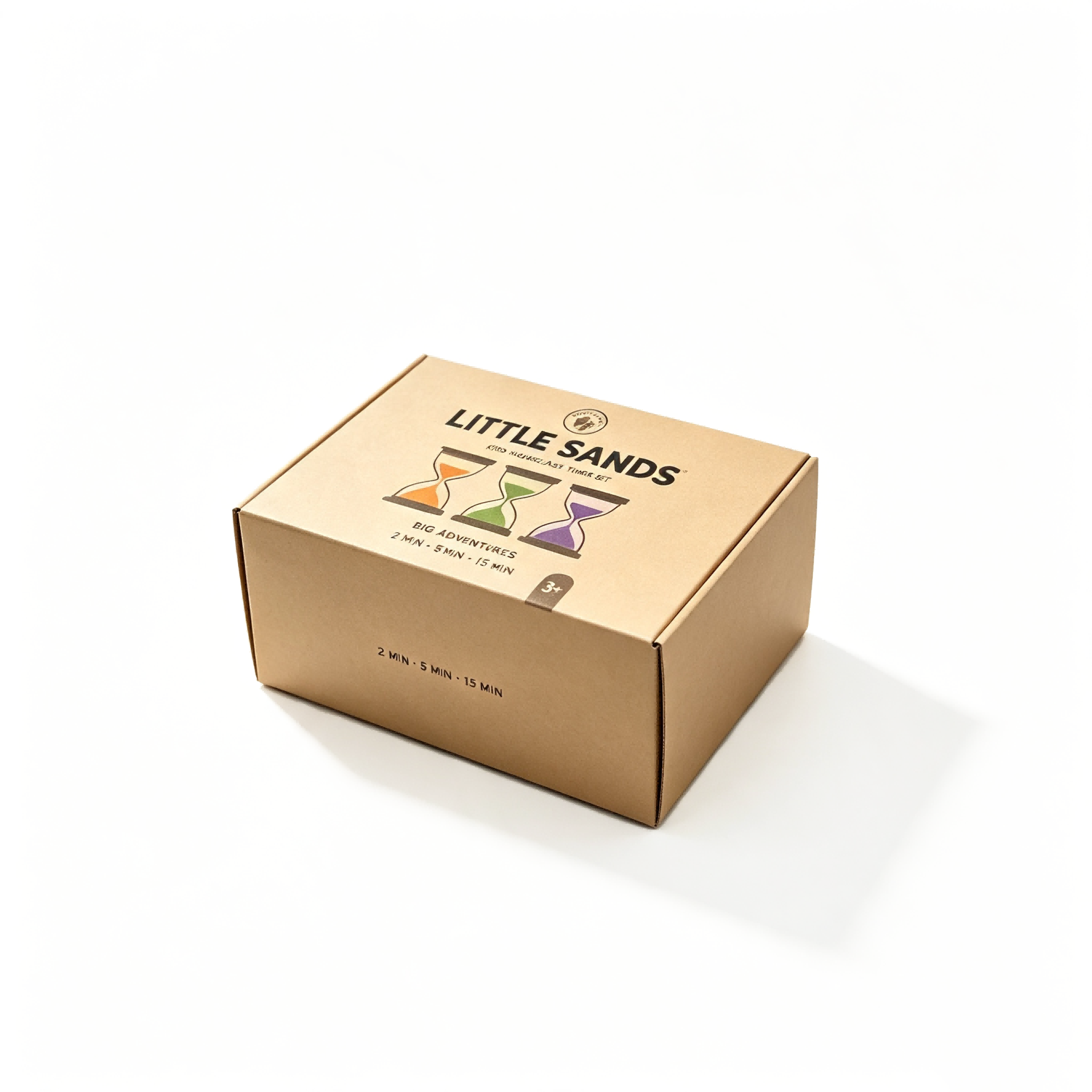
There is a particular kind of silence that falls when someone begins to unwrap a gift that has been wrapped in layers. The first tear is quick, almost involuntary, but then the hands slow. Another sheet of paper appears beneath the first, a different texture or a quieter color. The moment stretches. It is no longer about the object inside; it is about the small ceremony of discovery, the way each layer asks for a little more patience and gives back a little more anticipation.
Layered packaging works because it contradicts our instinct to rush. We are trained to get to the point, to remove wrapping as fast as possible and claim the prize. But when a box resists, when it offers tissue, then a ribbon, then a folded note, the brain shifts into a different mode. The delay becomes enjoyable rather than frustrating. Each layer adds a small piece of story: a hint of scent from the paper, the weight of the box shifting as something inside settles, the soft resistance of a well-tied knot. These details would be lost if the gift were simply handed over bare.
What makes the slow reveal memorable is that it turns a single moment into a sequence. First comes curiosity, then the pleasure of undoing something thoughtfully made, and finally the arrival at the thing itself—which now feels earned. This is why a gift box with layers rarely gets torn apart in seconds. People pause. They laugh at their own eagerness. They hold the half-unwrapped box and look up, as if to say, “Wait—there’s more?” By slowing the reveal, you are not hiding the gift. You are giving the recipient time to feel it.
Small-Batch and Local: Gift Boxes That Carry a Story Worth Retelling
There’s a quiet thrill in lifting the lid of a gift box and finding a jar of small-batch apricot jam made three streets away, or a ceramic mug that still carries the faint ridge of the potter’s thumb. These aren’t just objects; they’re fragments of a neighborhood, chosen because someone wanted you to taste the orchard on the edge of town or hold a cup thrown in a studio you could walk past any afternoon.
Small-batch and local means the maker’s hands are still in the work, and that intimacy travels with the gift. The honey isn’t blended into sameness from a dozen states; it comes from hives behind a farm stand you can visit. The soap wasn’t poured in a factory line but cured on a rack in someone’s sunlit kitchen. When you give a box like this, you’re not just handing over products—you’re passing along the story of a place, and that story becomes part of the unwrapping.
What makes these boxes worth retelling is the way they resist the generic. The recipient might wonder where each piece came from, and the answer leads somewhere real: a family orchard, a reclaimed workshop, a baker who only makes twelve loaves a day. That specificity turns a simple present into a small act of storytelling, one that lingers long after the box is empty.
Useful Luxuries Only: Swapping Filler for Items That Earn a Permanent Spot
Most drawers and shelves hold a quiet graveyard of things that looked good for a week. The trick isn't to buy less—it's to stop treating every empty corner as a problem that needs a quick fix. When an object earns its place, it usually does one job better than anything else nearby, or it gets reached for often enough that its cost per use drops below the price of a coffee.
That might mean retiring the novelty candle that smells like a bakery explosion and keeping the heavyweight linen throw that works in three seasons. It could look like swapping a stack of chipped mugs for two ceramic cups that actually fit your hand. The point is not austerity. It's editing with nerve, so the things that stay are the ones you'd rescue first in a move.
A useful luxury doesn't announce itself. It just becomes the default—the pen you grumble about losing, the scissors that never hide in the junk drawer, the coat hook that never lets a bag slide. Once you stop refilling space with filler, there's less to tidy, and the objects that remain start feeling less like inventory and more like a small staff you actually respect.
The 'Problem-Solver' Box: Gifts That Fix a Daily Annoyance They Never Mentioned
Most people won’t mention the drawer that jams every morning or the lamp cord that never stays put. They’ve accepted these small defeats. A problem-solver box skips the generic candles and socks, filling that gap with tools shaped around unspoken irritations: a weighted cord clip that keeps phone chargers from sliding off the nightstand, a slim rubber wedge that stops a wobbly table, magnetic key holders that actually grip through a coat pocket. None of these scream gadget. They just quietly remove a moment of friction.
The magic isn’t the object itself; it’s that the recipient didn’t have to diagnose their own annoyance. A good box pairs each fix with a tiny handwritten note, like 'for the remote that always disappears between cushions,' so the thought reads as attention, not assumption. Curate around the person’s daily rhythm: if they cook, include a splatter guard with handles that don’t bend; if they commute, a cable organizer that survives being tossed into a bag. The payoff comes a week later when they reach for the tool without thinking.
A Touch of Nostalgia: Adding One Sentimental Item That Changes Everything
There’s a quiet kind of magic in the objects we keep from another time. A chipped ceramic mug from a grandmother’s kitchen, a faded concert ticket tucked inside a book, a child’s drawing held on the fridge long after the crayon has lost its brightness. These things carry stories we rarely tell out loud. Set one of them on a desk or a shelf, and the room shifts almost imperceptibly, as if the air itself remembers something warmer.
The change doesn’t come from the item’s beauty or value. It comes from what it interrupts. A modern, minimal space can feel efficient but also a little untethered. Place one worn, personal object in the middle of that order, and suddenly the space has a pulse. It invites a second glance, then a pause, then perhaps a memory you didn’t plan to revisit. That single piece becomes a small anchor, pulling the present closer to the people and places that shaped you.
What makes the gesture work is restraint. One sentimental object, chosen deliberately, carries more weight than a room crowded with keepsakes. It asks nothing of visitors, yet offers something quietly profound: a reminder that a life is not built only from new beginnings, but also from the gentle pull of what came before. Leave room around it. Let it breathe. That one small addition can change the entire feeling of a room without changing anything else at all.
FAQ
It usually comes down to layering and intention. A memorable box tells a small story through textures, scents, and personal details—like wrapping each item in tissue paper with a handwritten note tucked beneath a sprig of rosemary. The recipient should feel the box was built around their tastes, not just filled with generic items.
Focus on one hero item and let smaller, well-chosen accents do the heavy lifting. For example, a single ceramic mug from a local potter paired with a bag of small-batch coffee, a linen napkin, and a bar of olive oil soap feels curated. Use plain kraft boxes and add a ribbon in an unexpected color—cheap materials can still look intentional.
Try a rainy Sunday box with a paperback mystery, wool socks, a candle that smells like wet pavement, and a tin of oolong tea. Or a first garden harvest box with heirloom seeds, a hori hori knife, gardener's salve, and a vintage botanical print. Themes tied to specific moods or moments feel fresher than categories.
Things with weight, scent, or sound. A glass jar of honey that clinks, a book with a textured cover, a small bell, or a sachet of lavender that releases aroma when the lid opens. Avoid too many flat paper items—vary heights and materials so each layer reveals something new.
Skip monogrammed everything. Instead, include an inside joke or shared memory on a small card, or choose an item that solves a problem they mentioned months ago—like a specific cable organizer for someone who complained about tangled cords. The thought should whisper, not shout.
Using too much synthetic filler like plastic grass, mismatched box sizes that let items rattle, or tape that leaves sticky residue. Also, cramming items so tightly that nothing can be appreciated. Give each piece breathing room and use crinkle paper made from recycled materials or linen scraps.
Choose reusable containers like a wooden crate, a bread box, or a ceramic bowl instead of a disposable gift box. Wrap items in cotton tea towels or fabric remnants. A sprig of eucalyptus or dried orange slices adds natural color and can be composted. Mentioning none of it—just making the package itself useful—says enough.
Small-batch jam, a tiny notebook with a sewn binding, a pocket-sized tin of mints, a wooden pencil set, or a sample-size candle. The key is that each filler should stand alone as a thoughtful mini-gift rather than something tossed in to take up space.
Conclusion
A high evaluation gift box rarely starts with a price tag or a generic theme; it starts with the person. Pay attention to the small quirks—their obsession with vintage matchbooks, the way they insist on using a specific type of pen, their habit of saving every handwritten note. A personality-first box might include something that feels almost private, like a locally made candle named after a neighborhood they love, or a weird little enamel pin that matches an inside joke. Layer the packaging so each reveal adds momentum: wrap a small item in tissue, then place it inside a slightly larger box, then tuck a handwritten card beneath the final layer. The slow reveal turns a simple exchange into a shared experience, and the recipient starts guessing before they even unwrap the first piece.
What separates a memorable box from a forgettable one is utility with a point of view. Skip the filler—no shredded paper fluff, no plastic trinkets that end up in a drawer. Choose items that earn a permanent spot: a well-balanced paring knife for someone who cooks daily, a magnetic cable organizer for the person who tangles every charger, or a small-batch hot sauce from a farm stand they once mentioned. A problem-solver box works because it fixes a daily annoyance they never thought to name, like a shower shelf for the corner of a tiny bathroom or a car visor clip for someone who always drops their sunglasses. And if you can add one nostalgic item—a reprint of a childhood book, a tin of the exact mints their grandmother kept in her purse—the box stops being a collection of objects and becomes a message: I see you, I remember you, and I wanted this to feel like yours alone.
Contact Us
Contact Person: Tan Xiang
Email: [email protected]
Tel/WhatsApp: 8613798906863
Website: https://www.dgkjzx.com