

Innovative SF₆ Gas Circuit Breaker Solutions for Modern Power Systems
2026-01-06
In the ever-evolving landscape of modern power systems, reliability, safety, and efficiency are paramount. As grids become more complex and demanding, the need for advanced switchgear solutions has never been greater. This blog delves into the cutting-edge world of SF₆ gas circuit breakers, exploring their innovative applications and transformative impact on power infrastructure. From enhanced performance to environmental considerations, we'll uncover how these technologies are shaping the future of energy distribution. At the forefront of this revolution is Lugao, a trusted name driving progress with tailored solutions that push boundaries. Join us as we journey into the heart of these breakthroughs, sparking curiosity about what lies ahead for resilient power networks.
Transforming Grid Stability with Advanced SF₆ Gas Circuit Breakers
Modern electrical grids face unprecedented pressure from fluctuating renewable energy inputs and rising demand, but advanced SF₆ gas circuit breakers are stepping up to tackle these challenges head-on. Unlike traditional breakers that might trip under sudden load changes, these devices leverage the unique insulating properties of sulfur hexafluoride to swiftly interrupt high currents, thereby preventing grid failures before they cascade. This capability isn't just about stopping faults—it's about proactively maintaining voltage stability, ensuring that every kilowatt-hour generated, whether from wind farms or solar panels, reaches consumers reliably without hiccups.
What sets the latest SF₆ circuit breakers apart is their integration of smart monitoring systems that provide real-time data on gas pressure and contact wear, allowing utilities to predict maintenance needs rather than reacting to emergencies. This predictive approach minimizes downtime and enhances overall grid resilience, especially in regions prone to extreme weather or rapid industrial growth. By acting as silent guardians during peak loads or unexpected outages, these advanced breakers help grid operators balance supply and demand more efficiently, turning potential blackouts into mere blips on the radar.
While SF₆ remains a potent greenhouse gas, manufacturers are addressing environmental concerns with innovations like sealed designs that minimize leaks and research into alternative gases for future models. In the meantime, the reliability and durability of these breakers mean fewer replacements and less waste, contributing to a more sustainable grid infrastructure. They're not just pieces of hardware; they're enablers of a transition toward cleaner energy, ensuring that as grids evolve, stability doesn't take a back seat—it drives the entire journey forward.
Key Design Features Enhancing Performance and Reliability
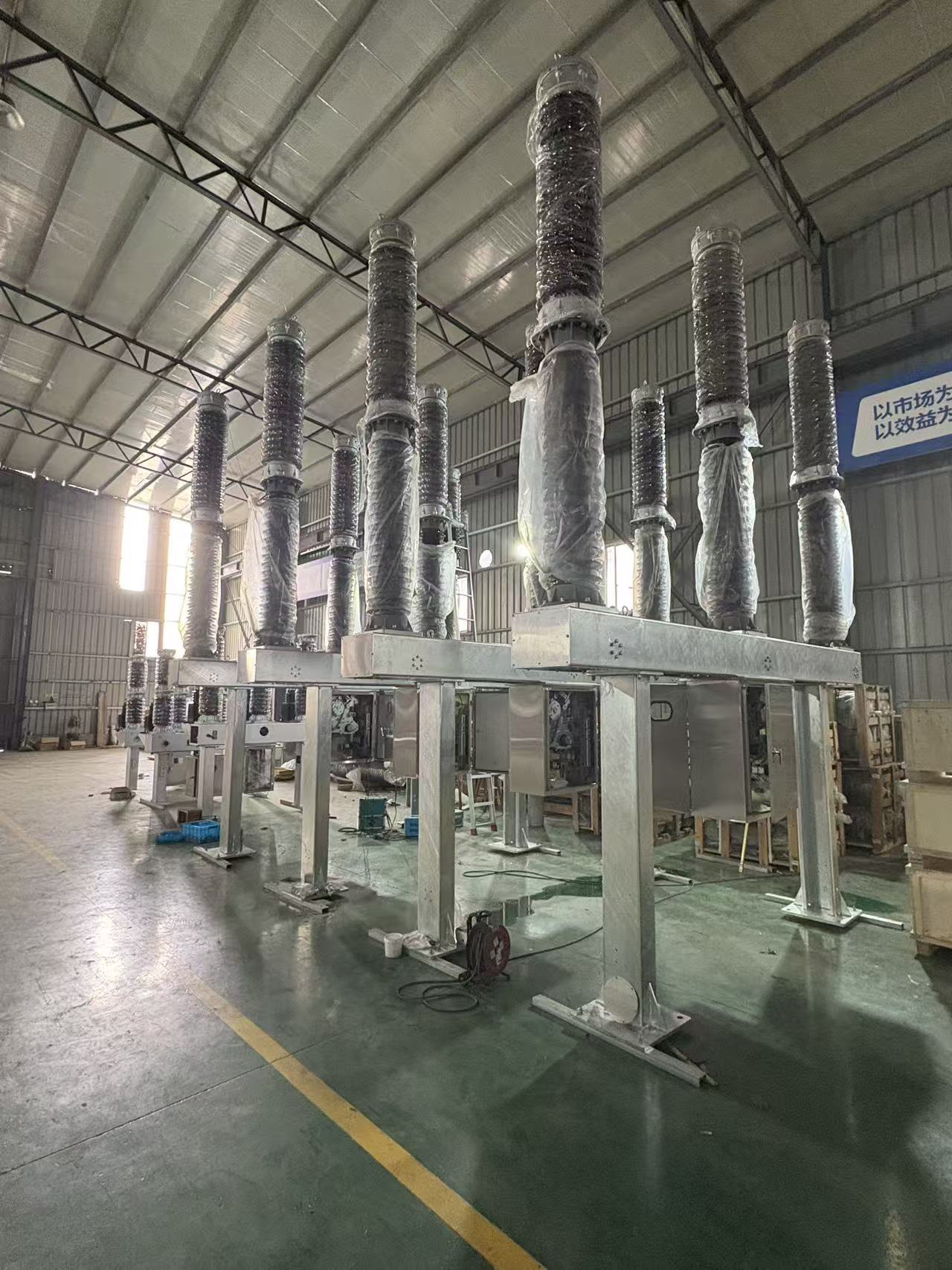
The architecture incorporates redundant components, such as dual power supplies and mirrored storage systems, to ensure continuous operation even in the event of hardware failures, minimizing downtime for users.
Advanced cooling mechanisms and efficient thermal management are integral, allowing the system to maintain optimal performance under high loads without overheating, which contributes to long-term reliability and reduced maintenance needs.
Robust error-correction protocols and real-time monitoring tools are embedded throughout, enabling proactive issue resolution and enhancing overall stability, making the design resilient in diverse operating environments.
Environmental Considerations and Sustainable Alternatives in Development
Development projects, whether urban expansions or rural transformations, are increasingly scrutinized for their environmental footprint. In the past, progress often meant clearing forests, polluting waterways, or emitting greenhouse gases without much thought to long-term consequences. Today, it's clear that ignoring these impacts leads to resource depletion, biodiversity loss, and climate-related risks that can undermine the very foundations of growth. For instance, constructing a new highway might boost local economies, but if it fragments wildlife habitats or increases air pollution, the trade-offs become unsustainable. Thus, embedding environmental assessments from the outset—like evaluating soil health, water usage, and carbon emissions—is no longer optional but essential for resilient development.
Sustainable alternatives offer a pathway to balance human needs with planetary health, moving beyond traditional methods that prioritize speed and cost over ecological care. One promising approach involves integrating green infrastructure, such as urban parks that manage stormwater or green roofs that reduce energy consumption. In renewable energy, solar and wind power projects are replacing fossil fuel-based systems, cutting emissions while creating jobs. Materials science also plays a key role, with innovations like recycled concrete or bamboo-based construction lowering waste and carbon footprints. These alternatives aren't just eco-friendly; they often enhance community well-being by improving air quality and reducing vulnerabilities to extreme weather, making development more inclusive and durable.
To truly stand out, development must shift from a mindset of mitigation to one of regeneration, where projects actively restore ecosystems rather than merely limiting harm. This could involve rewilding degraded lands alongside new housing or designing circular economies that repurpose waste into resources. By fostering collaboration among governments, businesses, and local communities, sustainable practices can become the norm, not the exception. Ultimately, embracing these considerations ensures that progress leaves a positive legacy, safeguarding natural assets for future generations while meeting today's demands.
Applications in Modern Smart Grids and Distributed Energy Systems
Modern smart grids are revolutionizing how energy is managed and distributed, integrating advanced technologies like IoT sensors and AI to optimize electricity flow in real-time. These systems enhance grid resilience by quickly detecting and responding to faults, ensuring reliable power delivery even during extreme weather events, which is crucial as climate change increases the frequency of outages.
Distributed energy resources, such as solar panels and wind turbines, are seamlessly incorporated into smart grids, allowing for decentralized power generation that reduces reliance on centralized plants. This integration supports microgrids that can operate independently during disruptions, providing localized energy solutions that boost community sustainability and energy independence in an era of growing environmental concerns.
By leveraging predictive analytics and blockchain for transparent energy trading, these systems enable consumers to actively participate in demand response programs, lowering costs and carbon footprints. The adaptability of smart grids also facilitates the widespread adoption of electric vehicles, creating a synergistic network that paves the way for a cleaner, more efficient energy future.
Safety Protocols and Maintenance for Prolonged Operational Life
Implementing robust safety protocols is crucial for ensuring extended operational life in any system or equipment. Regular inspections, adherence to manufacturer guidelines, and proactive risk assessments help prevent failures and accidents. For instance, in industrial settings, routine checks on machinery components can identify wear and tear before it escalates, reducing downtime and enhancing overall safety. By prioritizing these measures, organizations can foster a culture of responsibility and compliance, ultimately safeguarding both personnel and assets over the long term.
Maintenance plays an equally vital role in prolonging operational life, complementing safety efforts with strategic upkeep. Scheduled servicing, such as lubrication, calibration, and replacement of parts, ensures that systems run efficiently and avoid premature degradation. In sectors like aviation or healthcare, meticulous maintenance logs and predictive analytics can forecast potential issues, allowing for timely interventions that extend equipment lifespan. This approach not only minimizes repair costs but also boosts reliability, making it a cost-effective strategy for sustainable operations.
Leveraging technology and training can further optimize safety and maintenance for prolonged life. Advanced monitoring tools, like sensors and IoT devices, provide real-time data on performance and hazards, enabling swift responses to anomalies. Coupled with regular employee training on safety procedures and maintenance best practices, this creates a dynamic environment where continuous improvement is the norm. Ultimately, a holistic focus on these elements cultivates resilience, ensuring that operations remain robust and productive for years to come.
Future Trends and Innovations in Gas Circuit Breaker Technology
As industries worldwide push towards smarter, greener energy grids, gas circuit breaker technology is undergoing a quiet revolution. Gone are the days when these devices merely served as reliable switches; today, they're evolving into intelligent nodes that actively monitor grid health. Innovations like integrated sensors for real-time gas pressure and moisture analysis allow for predictive maintenance, drastically reducing downtime. This shift from reactive to proactive management isn't just a trend—it's reshaping how we think about grid resilience, making outages a rare exception rather than a common nuisance. The integration of IoT capabilities means these breakers can now communicate seamlessly with control centers, offering a level of automation that was once the stuff of engineering dreams.
Environmental concerns are driving another wave of change, with researchers focusing on eco-friendly alternatives to traditional sulfur hexafluoride (SF6) gas. SF6, while highly effective, has a significant global warming potential, sparking a race to develop less harmful insulating mediums. Breakthroughs in materials science have led to experimental gases like fluoronitriles and fluoroketones, which promise comparable performance with a fraction of the environmental footprint. Imagine circuit breakers that not only protect circuits but also contribute to sustainability goals—this dual-purpose innovation is gaining traction, with pilot projects already showing promising results in reducing greenhouse gas emissions without compromising safety. It's a delicate balance, but one that's pushing manufacturers to rethink every component, from sealing mechanisms to gas recovery systems.
Looking ahead, the fusion of artificial intelligence and advanced materials is set to redefine what gas circuit breakers can achieve. AI algorithms are being trained to analyze vast datasets from breaker operations, enabling self-optimization for varying load conditions and fault types. Picture a breaker that learns from past electrical surges and adjusts its response in milliseconds, minimizing wear and tear. Coupled with nano-engineered contact materials that resist arcing and degradation, these smart breakers could last decades longer than current models. This isn't just incremental improvement; it's a leap toward autonomous, self-healing grids where breakers act as guardians, anticipating problems before they escalate. The future isn't about bigger or faster—it's about smarter, greener, and more intuitive protection for our expanding energy networks.
FAQ
SF₆ gas offers superior arc-quenching properties and high dielectric strength, enabling more compact and reliable breaker designs that handle higher voltages with enhanced safety and reduced maintenance needs.
Modern designs incorporate advanced sealing techniques and gas recycling systems to minimize leaks, alongside research into SF₆ alternatives or blends that reduce global warming potential while maintaining performance.
They feature digital monitoring sensors and communication interfaces for real-time data on gas pressure, contact wear, and operational status, enabling predictive maintenance and seamless grid automation.
Key innovations include self-compensating mechanisms for consistent pressure, optimized interrupter chambers for faster arc extinction, and corrosion-resistant materials that extend durability under harsh conditions.
They provide rapid and precise interruption of fault currents, with adaptive control systems that coordinate with protection relays to isolate faults quickly, minimizing downtime and equipment damage.
Challenges include handling gas leaks and disposal; solutions involve portable gas analyzers for on-site testing, training for safe maintenance, and modular designs that simplify repairs and replacements.
They ensure grid stability by managing intermittent power flows from renewables, offering fast response times to voltage fluctuations and faults, thus facilitating a smoother transition to sustainable energy sources.
Trends focus on eco-friendly gas mixtures, compact modular units for urban installations, AI-driven diagnostics for enhanced predictive analytics, and interoperability with IoT platforms for smarter grid management.
Conclusion
Innovative SF₆ gas circuit breakers are transforming grid stability by incorporating advanced technologies that enhance switching precision and arc-quenching capabilities, addressing the increasing demands of modern power systems for reliable fault interruption. These solutions integrate key design features such as compact modular construction and improved gas handling systems, which boost performance and reliability while minimizing operational disruptions. As environmental considerations grow, ongoing development of sustainable alternatives aims to reduce SF₆ emissions, ensuring compatibility with eco-friendly initiatives without compromising functionality.
Applications in modern smart grids and distributed energy systems leverage these circuit breakers' adaptability to diverse load conditions and fault scenarios, supporting seamless integration with renewable sources. Rigorous safety protocols and predictive maintenance strategies are implemented to prolong operational life, mitigating risks and optimizing uptime. Future trends focus on innovations like digital monitoring, IoT-enabled diagnostics, and hybrid gas mixtures, driving the evolution of gas circuit breaker technology toward smarter, more resilient power networks.
Contact Us
Contact Person: Doreen
Email: [email protected]
Tel/WhatsApp: 8618057712366
Website: https://www.liugaopower.com/