
Lauryl Alcohol Ethoxylate: Key Innovations for Your Company's Success in Industrial Applications
2026-03-02
In the competitive world of industrial chemistry, staying ahead often hinges on leveraging the right ingredients. Lauryl Alcohol Ethoxylate has emerged as a game-changer in applications ranging from detergents to agrochemicals, but its true potential is unlocked through strategic innovation. At POLYKEM, we've pioneered advanced formulations that not only enhance performance but also address sustainability and efficiency challenges head-on. In this blog, we'll dive into the latest breakthroughs and practical insights to help your company thrive. Get ready to discover why mastering these innovations could be the key to unlocking new levels of success in your operations.
Unveiling the Power of Lauryl Alcohol Ethoxylate in Industrial Cleaning
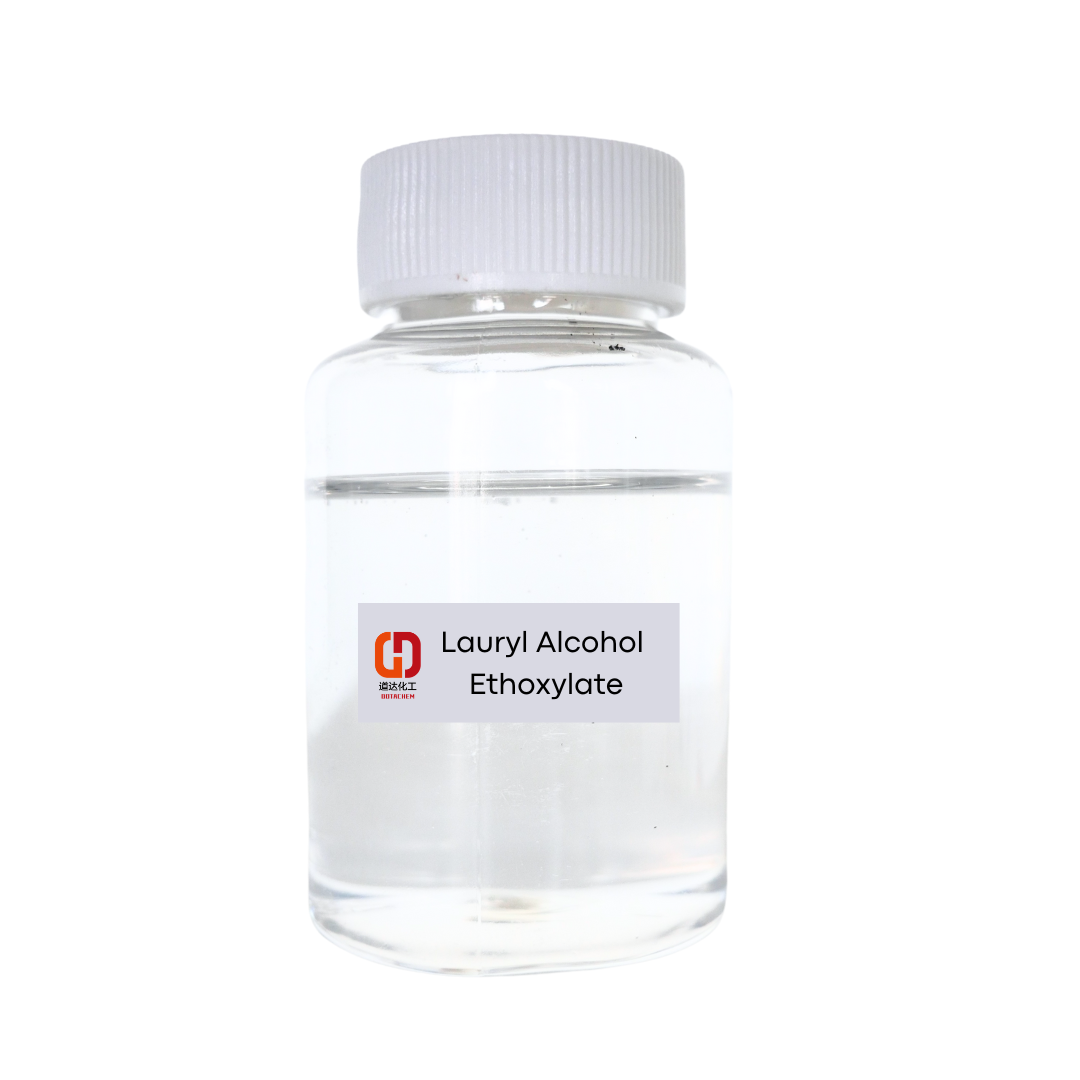
In the bustling world of industrial cleaning, lauryl alcohol ethoxylate often flies under the radar, yet its impact is nothing short of transformative. Derived from a blend of lauryl alcohol and ethylene oxide, this surfactant excels at breaking down stubborn grime, oils, and residues that plague machinery, floors, and production lines. What sets it apart is its versatility across temperatures and pH levels, making it a reliable ally in diverse settings from automotive workshops to food processing plants. By reducing surface tension and emulsifying contaminants, it ensures thorough cleaning without leaving harmful residues, thus safeguarding both equipment efficiency and workplace safety.
Beyond its basic cleaning prowess, lauryl alcohol ethoxylate shines in applications where biodegradability and eco-friendliness are priorities. Unlike harsher chemical alternatives, it decomposes more readily in the environment, aligning with modern sustainability goals without compromising performance. This compound is particularly effective in water-based formulations, where it enhances the solubility of other ingredients, leading to more potent and balanced cleaning solutions. Its mild nature also minimizes corrosion risks on metal surfaces, extending the lifespan of costly industrial assets and reducing maintenance expenses over time.
Innovations in industrial cleaning have further unlocked the potential of lauryl alcohol ethoxylate, especially in specialized sectors. In the pharmaceutical and electronics industries, for instance, it plays a crucial role in precision cleaning, removing microscopic contaminants without damaging sensitive components. Its ability to function in low-foaming variants makes it ideal for automated cleaning systems, boosting operational efficiency. By tailoring formulations with complementary agents, manufacturers can achieve targeted results, from degreasing heavy machinery to sanitizing surfaces in healthcare facilities, showcasing its adaptability as a cornerstone of modern industrial hygiene.
Enhancing Biodegradability for Eco-Conscious Manufacturing
In today's rapidly evolving industrial landscape, enhancing biodegradability is becoming a cornerstone of eco-conscious manufacturing. This approach focuses on designing products and processes that naturally break down into harmless substances, reducing long-term environmental impact. By integrating biodegradable materials, such as plant-based plastics or compostable polymers, manufacturers can minimize waste accumulation in landfills and oceans. This shift not only supports circular economy principles but also addresses growing consumer demand for sustainable goods, fostering a more responsible production cycle.
To effectively boost biodegradability, companies are exploring innovative strategies like enzymatic degradation and microbial-assisted decomposition. These methods leverage natural biological processes to accelerate the breakdown of materials, ensuring they return to the ecosystem without leaving toxic residues. For instance, incorporating additives that enhance microbial activity in biodegradable polymers can shorten decomposition time. Such advancements help manufacturers meet regulatory standards and achieve carbon neutrality goals, making eco-conscious operations both feasible and profitable.
Ultimately, enhancing biodegradability requires a holistic view of the supply chain, from raw material sourcing to end-of-life disposal. Collaborating with researchers and stakeholders can lead to tailored solutions that balance functionality with environmental benefits. By prioritizing this aspect, manufacturers not only reduce their ecological footprint but also build stronger brand loyalty among environmentally aware consumers, securing a competitive edge in a green-focused market.
Optimizing Formulations for Superior Emulsification in Processes
When you're looking to improve emulsification in industrial or laboratory settings, the first step often involves tweaking the formulation's surfactant blend. Common emulsifiers like polysorbates or lecithins are a starting point, but modern approaches might incorporate co-surfactants or polymeric stabilizers to fine-tune the droplet size and stability. For instance, combining a non-ionic surfactant with a charged one can enhance electrostatic repulsion, preventing coalescence in harsh conditions. It's not just about adding more surfactant; it's about finding the right balance that minimizes interfacial tension without overcomplicating the system. Some practitioners experiment with natural alternatives like saponins or protein-based emulsifiers, which can offer better biodegradability while maintaining performance in sensitive applications like food processing.
Beyond surfactants, optimizing the oil phase and aqueous components plays a crucial role. The choice of oils—whether mineral, vegetable, or silicone-based—affects viscosity and phase behavior, influencing how easily droplets form during homogenization. In processes like cosmetics manufacturing, using lighter esters might speed up emulsification, while heavier oils could require longer mixing times or higher shear rates. Water quality matters too; impurities or pH variations can destabilize emulsions, so adjusting with buffers or purified water might be necessary. Anecdotal evidence from fieldwork suggests that pre-mixing phases at controlled temperatures, say around 40-60°C, can enhance mutual solubility and lead to more uniform emulsions with fewer defects post-production.
To truly stand out, consider integrating real-time monitoring techniques into your process. Instead of relying solely on batch testing, tools like inline particle analyzers or rheometers allow for dynamic adjustments during emulsification. This proactive approach helps detect issues like phase separation early on, enabling quick tweaks to agitation speed or ingredient ratios. In sectors like pharmaceuticals, where consistency is key, adopting such methods has reduced waste and improved shelf-life predictions. Ultimately, superior emulsification isn't just about a perfect formula on paper; it's about adapting the process flow to maintain that stability from lab scale-up to full production, ensuring each batch meets stringent quality benchmarks without excessive trial and error.
Cost-Effective Solutions for Scalable Industrial Applications
In today's competitive industrial landscape, achieving scalability without breaking the bank is a top priority for companies of all sizes. By integrating modular systems and lean manufacturing principles, businesses can adapt to fluctuating demands while keeping operational expenses in check. For instance, adopting cloud-based platforms allows real-time data monitoring and resource allocation, minimizing waste and downtime—a key factor in staying agile and cost-conscious.
Another standout approach involves retrofitting existing machinery with smart sensors and IoT connectivity, rather than investing in entirely new equipment. This strategy not only reduces upfront capital outlay but also extends the lifespan of assets, delivering long-term savings. Coupled with predictive maintenance algorithms, it slashes unexpected repair costs and boosts overall efficiency, making growth feel more manageable and less financially risky.
Moreover, collaborative partnerships and shared-resource models are gaining traction as innovative ways to scale affordably. By pooling expertise or infrastructure with other firms, industries can tackle larger projects or enter new markets without shouldering the full burden alone. This fosters a dynamic ecosystem where cost-effectiveness and expansion go hand-in-hand, ensuring that scalability isn't just a goal but a sustainable reality.
Innovations in Stability and Performance for Harsh Conditions
Operating reliably under extreme environments demands more than just robust materials; it requires a holistic rethinking of system design and resilience. Recent strides have led to the development of adaptive thermal management systems that dynamically regulate internal temperatures in response to external fluctuations, preventing overheating or freezing that once plagued equipment in deserts or polar regions. By integrating AI-driven predictive algorithms, these systems not only react but also anticipate stress, ensuring sustained performance without human intervention during prolonged missions in remote areas.
Material science breakthroughs have introduced nanocomposite coatings that repel corrosion, abrasion, and moisture even in salt-spray-heavy marine or chemically aggressive industrial settings. Unlike traditional barriers that degrade over time, these coatings self-heal minor damages through embedded microcapsules, maintaining structural integrity and reducing maintenance downtimes. This innovation is particularly crucial for infrastructure like offshore wind turbines or deep-sea pipelines, where every hour of uptime translates to significant cost savings and safety improvements.
Another key advancement lies in vibration-damping technologies that absorb and dissipate mechanical shocks—essential for vehicles traversing rocky terrains or machinery in high-impact factories. Utilizing smart polymers and fluid-based dampers, these systems adapt their stiffness in real-time, smoothing out jolts that could otherwise lead to component fatigue or data loss in sensitive electronics. This not only enhances durability but also ensures precise operation, such as in autonomous drones mapping disaster zones or medical devices delivering care in bumpy, remote locations.
Driving Efficiency and Sustainability through Advanced Surfactant Technology
Advanced surfactant technology is revolutionizing industries by enhancing both operational efficiency and environmental sustainability. These specialized compounds, designed at the molecular level, optimize processes in cleaning, agriculture, and manufacturing. By reducing the amount of water, energy, and raw materials required, they not only cut costs but also minimize waste. This balance of performance and eco-friendliness addresses growing demands for greener solutions without compromising effectiveness.
Innovations in surfactant formulations are setting new benchmarks for sustainability. For example, biobased surfactants derived from renewable resources like plants offer a biodegradable alternative to petroleum-based options. These advanced molecules break down more easily in the environment, reducing long-term ecological impact. Moreover, their superior functionality—such as improved soil penetration in agriculture or better emulsification in cosmetics—ensures that sustainability doesn’t come at the expense of quality.
The integration of smart technologies with surfactant applications further boosts efficiency. Automated dosing systems and AI-driven formulations allow for precise use in industrial settings, maximizing results while minimizing excess. This synergy not only streamlines production but also supports circular economy goals by enabling easier recycling and reuse of materials. Ultimately, these advancements are paving the way for a more resource-conscious future across multiple sectors.
FAQ
Lauryl Alcohol Ethoxylate (LAE) is a surfactant derived from lauryl alcohol and ethylene oxide, widely used in industrial applications for its excellent emulsifying and wetting properties.
By lowering surface tension and enhancing solubility, LAE helps create stable emulsions and improves cleaning efficiency, potentially reducing production times and operational costs.
Yes, recent innovations include bio-based derivatives and eco-friendly formulations that minimize environmental impact while maintaining performance, aligning with green industrial trends.
While generally safe, proper handling with protective gear is advised as high concentrations may cause mild irritation; always refer to material safety data sheets for guidelines.
Absolutely. Through tailored ethoxylation levels, LAE can be optimized for various uses such as detergents, textiles, or agrochemicals, allowing for company-specific solutions.
Modern LAE variants offer enhanced biodegradability and efficiency, often outperforming older surfactants in harsh conditions, giving companies a competitive edge in industrial markets.
Key sectors include cleaning products, textiles, agriculture, and personal care, where its versatility in emulsification and foaming drives success in diverse applications.
Conclusion
Lauryl Alcohol Ethoxylate stands as a transformative ingredient in industrial applications, offering a blend of efficacy and environmental responsibility that can drive your company's success. Its power in industrial cleaning is unmatched, effectively removing tough contaminants while being gentle on materials. Innovations have further enhanced its biodegradability, making it an ideal choice for eco-conscious manufacturing, aligning with modern sustainability goals without compromising performance. Moreover, the optimization of formulations ensures superior emulsification in various processes, leading to more stable and efficient operations. These advancements make Lauryl Alcohol Ethoxylate not just a surfactant, but a strategic asset for industries aiming to balance cost-effectiveness with high-performance solutions.
In today's competitive landscape, the scalability of these cost-effective solutions allows businesses to expand operations without significant overhead. Innovations in stability and performance under harsh conditions, such as extreme temperatures or aggressive chemicals, ensure reliability in demanding environments. This drives overall efficiency and sustainability through advanced surfactant technology, enabling companies to reduce waste, improve productivity, and meet regulatory standards. By integrating these key aspects—unveiling cleaning power, enhancing biodegradability, optimizing emulsification, offering scalable solutions, and boosting stability—Lauryl Alcohol Ethoxylate empowers organizations to achieve success in industrial applications, fostering innovation and long-term growth.
Contact Us
Contact Person: Levi
Email: [email protected]
Tel/WhatsApp: +86 532 84688720
Website: https://www.polykem-intl.com