
Nonylphenol Ethoxylate: Exploring Its Impact and Uses in China
2026-02-27
In the bustling industrial landscape of China, a chemical compound silently weaves through countless applications—Nonylphenol Ethoxylate (NPE). From textiles to agriculture, its versatility is undeniable, yet so are the whispers of its environmental and health impacts. As discussions around sustainability and safety gain momentum, understanding NPE's role becomes crucial. At POLYKEM, we are committed to exploring these complexities, offering insights that bridge innovation with responsibility. Join us as we delve into NPE's uses, challenges, and the evolving narrative in China, sparking curiosity for what lies ahead. This journey promises to unravel both the seen and unseen threads of a chemical shaping modern industry.
Understanding Nonylphenol Ethoxylate: A Brief Overview
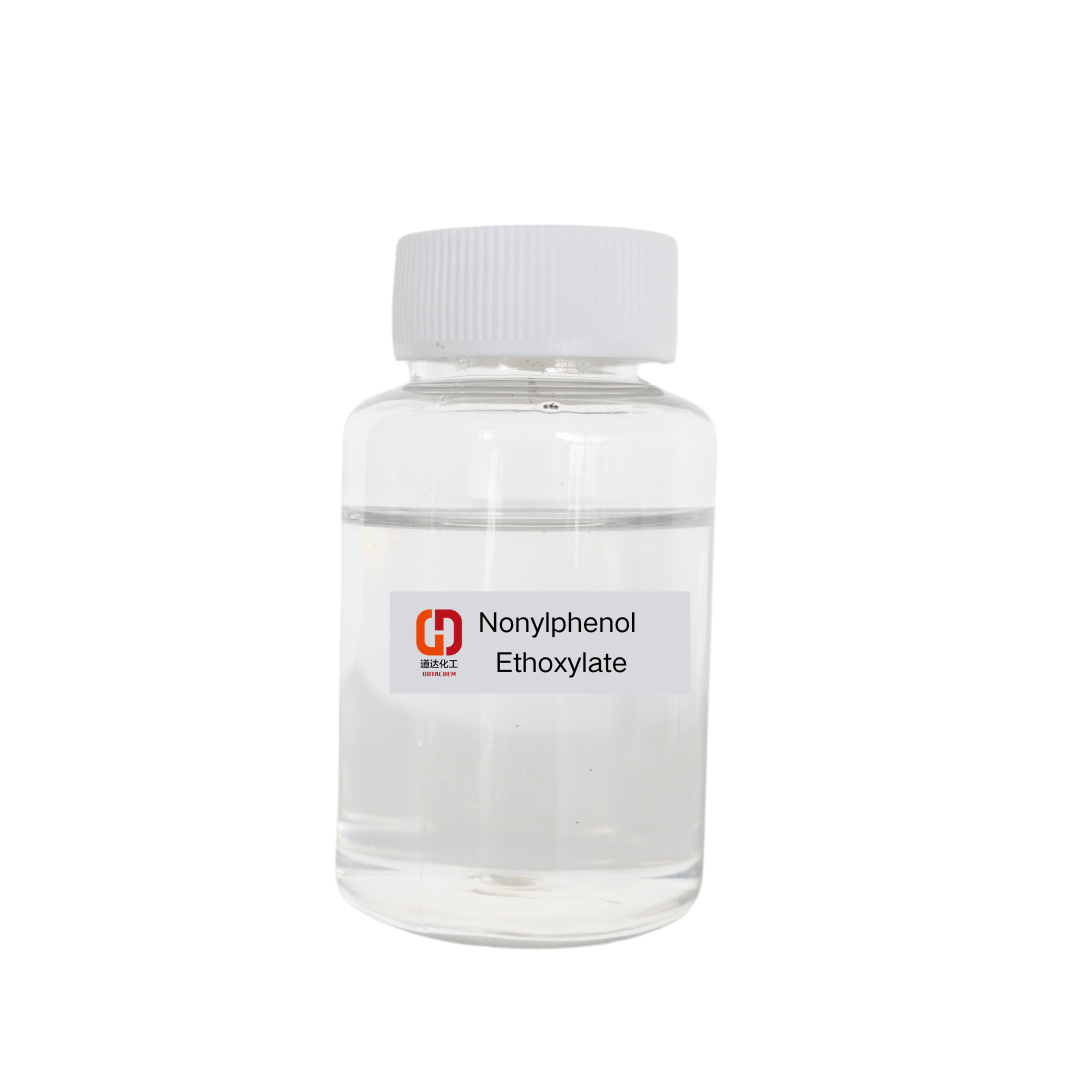
Nonylphenol ethoxylate, often abbreviated as NPE, represents a group of surfactants derived from nonylphenol and ethylene oxide. These compounds are part of the larger family of nonionic surfactants, which means they don't carry an electrical charge in water, allowing them to effectively reduce surface tension and enhance cleaning or emulsifying properties. Initially developed for industrial and household applications, NPEs gained popularity due to their efficiency and versatility, making them common in detergents, emulsifiers, and other products. However, their environmental impact has become a focal point in recent discussions, as they can break down into more persistent and toxic byproducts, such as nonylphenol, which pose risks to aquatic ecosystems. This brief overview sets the stage for a deeper dive into their chemical structure, uses, and the regulatory landscape that has evolved in response to growing environmental concerns.
The chemical structure of nonylphenol ethoxylate involves a hydrophobic nonyl group derived from nonylphenol and a hydrophilic chain of ethoxylate units. This amphiphilic nature enables NPEs to interact with both water and oils, making them effective in a wide range of applications beyond cleaning. For example, they are used in agricultural formulations to improve pesticide dispersion, in textiles for dyeing and finishing processes, and even in paper manufacturing to enhance pulp processing. Despite their utility, the ethoxylate chain length can vary, influencing both performance and environmental persistence. Shorter chains tend to degrade more slowly, leading to accumulation in water bodies, which has prompted shifts in industry practices toward longer-chain alternatives or complete phase-outs in some regions, highlighting the tension between industrial innovation and ecological sustainability.
In light of environmental regulations, many countries have restricted or banned the use of NPEs in certain products, driving research into safer substitutes like alcohol ethoxylates or other biodegradable surfactants. This regulatory push underscores the broader trend toward green chemistry and sustainable manufacturing, where the lifecycle impacts of chemicals are considered from production to disposal. Understanding nonylphenol ethoxylate not only involves grasping its technical applications but also appreciating the socio-economic factors that influence its use and regulation. By examining case studies from different industries, one can see how stakeholder pressures, scientific advancements, and policy changes interact to shape the future of such compounds, making this topic relevant for chemists, environmentalists, and policymakers alike.
Applications in Chinese Industries: Key Uses and Trends
Chinese industries are increasingly leveraging advanced technologies like artificial intelligence and big data analytics to streamline operations, from manufacturing to finance. For instance, in e-commerce, companies use AI-driven recommendation systems to personalize shopping experiences, boosting sales and customer satisfaction. Meanwhile, the automotive sector integrates smart sensors and automation, enhancing production efficiency and innovation.
Sustainability and green tech are becoming prominent trends, with renewable energy applications expanding in sectors such as construction and logistics. This shift not only addresses environmental concerns but also opens new economic avenues, as businesses adopt solar panels and electric vehicles to reduce carbon footprints.
The rise of 5G and IoT is transforming industries like healthcare and agriculture, enabling remote diagnostics and precision farming. These applications foster connectivity and data-driven decision-making, positioning China at the forefront of global tech adoption while tailoring solutions to local market needs.
Environmental Consequences of Nonylphenol Ethoxylate Release
Nonylphenol ethoxylates (NPEs), commonly found in industrial and household cleaning products, have raised significant environmental concerns due to their persistence and toxicity when released into ecosystems. Upon entering aquatic environments, these compounds degrade into nonylphenol, a more harmful byproduct that disrupts endocrine systems in wildlife, particularly fish and amphibians. This interference can lead to reproductive failures, altered development, and population declines, highlighting the far-reaching impacts of such releases on biodiversity.
In soil and sediment, NPEs accumulate over time, posing long-term risks to terrestrial organisms and potentially entering the food chain through plants and animals. Their slow degradation rates mean they linger in environments for extended periods, exacerbating contamination issues. Moreover, these compounds can leach into groundwater, affecting drinking water sources and presenting human health concerns indirectly through environmental exposure pathways.
Efforts to mitigate these consequences include stricter regulations on industrial discharges and the development of alternative, less harmful surfactants. However, the global scale of NPE usage means that ongoing monitoring and remediation are crucial to prevent further ecological damage. As awareness grows, industries are increasingly adopting green chemistry principles to reduce such environmental footprints.
Regulatory Policies and Implementation in the Chinese Context
In China's dynamic and rapidly evolving environment, regulatory policies are often shaped by a unique interplay of centralized governance and experimental adaptations at local levels. Rather than imposing rigid, one-size-fits-all rules, the government frequently employs pilot programs, such as those in technology or finance, where cities or provinces test new regulations before nationwide roll-out. This approach allows for flexibility and innovation, ensuring that policies can be refined based on real-world feedback, which helps maintain stability while fostering growth in sectors like e-commerce and renewable energy.
At the heart of implementation lies a complex web of administrative bodies and targets, where local officials must balance national directives with regional realities. For instance, environmental regulations might set national standards, but enforcement can vary based on local economic priorities or resource constraints, sometimes leading to patchy compliance. This dual-track system, while sometimes criticized, aims to foster accountability and adaptability, making policy execution more responsive to diverse geographical and demographic challenges across the vast country.
What sets China apart is how regulatory measures are often integrated with broader economic and social strategies, such as the 'Made in China 2025' initiative, which blends industrial policy with regulatory frameworks to boost high-tech sectors. This holistic view means policies aren't just about control but about steering development, with implementation driven by performance metrics and periodic adjustments based on outcomes. It's a living process that reflects China's pragmatic approach, where regulations evolve alongside societal shifts, aiming to balance order with progress in a way that's distinctively tailored to its context.
Health and Safety Concerns for Workers and Communities
Workers and communities face a range of health and safety issues that extend beyond traditional workplace hazards, often intertwined with broader environmental and social factors. For those on the job, risks include physical injuries from equipment failures or unsafe practices, exposure to harmful substances like chemicals or dust, and long-term ailments such as musculoskeletal disorders or stress-induced conditions. These challenges are frequently compounded by inadequate training, poor supervision, or insufficient safety protocols, which can lead to preventable accidents and chronic health problems. Meanwhile, surrounding communities may be directly affected by industrial activities, such as pollution from factories or noise from construction sites, impacting air quality, water safety, and overall well-being, with vulnerable populations like children and the elderly at higher risk.
Addressing these concerns requires a holistic approach that integrates worker protection with community engagement, as isolated measures often fall short. Effective strategies involve transparent communication between employers, employees, and local residents to identify and mitigate shared hazards. For instance, implementing advanced monitoring systems for emissions not only safeguards workers' health but also ensures cleaner air for nearby neighborhoods, fostering a sense of trust and cooperation. Regular safety drills and community awareness programs can further reduce risks, empowering everyone to respond proactively to potential incidents and enhancing resilience against unforeseen threats.
Looking ahead, innovative solutions and collaborative efforts are key to minimizing these concerns, as demonstrated by companies adopting sustainable practices that prioritize both occupational safety and environmental stewardship. By investing in modern technologies, such as automation to reduce manual labor risks or green infrastructure to limit pollution, organizations can create safer workplaces and healthier communities. Ultimately, fostering a culture of shared responsibility, where businesses, governments, and citizens work together, ensures that health and safety protections evolve to meet changing societal needs, benefiting everyone involved.
Innovative Alternatives and Sustainable Practices in China
In recent years, China has emerged as a global leader in adopting innovative alternatives and sustainable practices, driven by a combination of government policies, technological advancements, and increasing environmental awareness. From the rapid expansion of renewable energy sources like solar and wind power to the development of cutting-edge electric vehicles, the country is actively reshaping its industrial and urban landscapes to reduce carbon emissions and promote ecological balance. Initiatives such as the Green Belt and Road Initiative and the establishment of eco-cities demonstrate a commitment to integrating sustainability into both domestic and international frameworks, showcasing a proactive approach that blends economic growth with environmental stewardship.
Beyond energy, China's sustainable practices extend to agriculture, waste management, and circular economy models, where innovations like precision farming and smart recycling systems are gaining traction. Companies and local communities are increasingly embracing green technologies to minimize resource consumption and enhance efficiency, supported by robust research and development in fields like biotechnology and materials science. This holistic focus not only addresses immediate environmental challenges but also fosters long-term resilience, positioning China as a hub for green innovation that others can look to for inspiration and collaboration in tackling global sustainability issues.
The shift towards more sustainable practices in China is also being fueled by changing consumer behaviors and market demands, with a growing preference for eco-friendly products and services. This has spurred businesses to adopt cleaner production methods and invest in green supply chains, creating a virtuous cycle of innovation and environmental benefit. As these trends continue to evolve, China's journey offers valuable insights into how large-scale transformation can be achieved through a mix of policy support, technological ingenuity, and societal engagement, paving the way for a more sustainable future on a global scale.
FAQ
Nonylphenol Ethoxylate, commonly abbreviated as NPE, is a surfactant widely used in China for industrial cleaning, textile processing, and as an emulsifier in paints. Its effectiveness in reducing surface tension makes it popular, but environmental concerns have led to stricter regulations.
China has implemented regulations limiting NPE use, particularly in consumer products and industrial discharges, to reduce water pollution. Policies like the 'Restriction of Hazardous Substances' directive aim to phase out NPE in favor of safer alternatives.
NPE breaks down into nonylphenol, which is toxic and persistent in water bodies, harming aquatic life and potentially entering the food chain. In China, this has led to contamination in rivers and coastal areas, prompting cleanup efforts.
In China, industries are shifting to alternatives like alcohol ethoxylates and alkyl polyglucosides, which are biodegradable and less harmful. These substitutes are gaining traction due to regulatory pressures and corporate sustainability initiatives.
China's restrictions on NPE influence global trade by requiring exporters to meet stricter chemical standards. This drives innovation in green chemistry and impacts industries worldwide that rely on Chinese-manufactured goods.
Chinese research institutions, such as universities and environmental agencies, conduct studies on NPE's toxicity and degradation. Their findings inform policy-making and help develop safer industrial practices across the country.
Public awareness in China is increasing through media reports and NGO campaigns, leading to consumer demand for NPE-free products. Companies are responding by reformulating products and improving transparency in labeling.
Future trends in China include tighter regulations, increased adoption of eco-friendly alternatives, and enhanced monitoring systems. This reflects a broader shift towards sustainable industrial development and environmental protection.
Conclusion
The exploration of Nonylphenol Ethoxylate (NPE) in China reveals a multifaceted narrative, touching on its industrial applications, environmental repercussions, and the regulatory frameworks in place. In Chinese industries, NPE is widely utilized as a surfactant in detergents, textiles, and agrochemicals, driving production efficiencies but also contributing to its pervasive release into ecosystems. This leads to significant environmental consequences, such as water contamination and harmful effects on aquatic life due to NPE's endocrine-disrupting properties. Concurrently, Chinese authorities have implemented regulatory policies aimed at curbing usage, though challenges in enforcement persist, highlighting the complex interplay between industrial demands and ecological protection.
Health and safety concerns for workers and communities further underscore the urgency of addressing NPE's impact. Exposure risks include potential developmental and reproductive issues, prompting calls for stricter safety protocols and public awareness. In response, China is witnessing a shift towards innovative alternatives and sustainable practices, such as bio-based surfactants and circular economy models, which aim to reduce dependency on NPE while fostering environmental stewardship and economic growth. This evolving landscape demonstrates China's efforts to balance industrial progress with long-term sustainability, offering lessons for global chemical management.
Contact Us
Contact Person: Levi
Email: [email protected]
Tel/WhatsApp: +86 532 84688720
Website: https://www.polykem-intl.com