

OEM Prefabricated Substations: Streamlining Power Distribution with Advanced Modular Solutions
2026-01-12
In today's fast-paced world, the demand for efficient and reliable power distribution solutions has never been higher. As industries grow and urban areas expand, the need for innovative approaches to managing electrical infrastructure becomes increasingly critical. Enter OEM prefabricated substations—a game-changing modular solution that is transforming how we think about power distribution. At the heart of this revolution is Lugao, a pioneer in delivering advanced, customizable substations that streamline installation, reduce downtime, and enhance overall system performance. By integrating cutting-edge technology with flexible design, Lugao's solutions offer a seamless blend of efficiency and durability, making them an ideal choice for diverse applications. As we delve into the world of prefabricated substations, we'll explore how modular approaches are setting new standards in the industry and why embracing these innovations is key to staying ahead. Join us on this journey to uncover the potential of streamlined power distribution and discover how Lugao is leading the charge toward a more sustainable and resilient energy future.
Revolutionizing Power Distribution: The Rise of OEM Prefabricated Substations
In recent years, the power distribution sector has witnessed a transformative shift with the advent of OEM prefabricated substations, moving away from traditional on-site construction methods that often involve lengthy timelines and logistical hurdles. These units are built in factory-controlled settings by original equipment manufacturers, enabling faster deployment and greater consistency in quality, while minimizing disruptions to the surrounding environment. By standardizing components and integrating advanced technologies from the outset, they offer a streamlined solution for expanding grid capacity, especially in urban areas or remote locations where space and access are limited.
The rise of these prefabricated systems is driven by the need for more resilient and adaptable infrastructure in the face of growing energy demands and climate challenges. Unlike conventional substations that might take months to build, OEM models can be customized and delivered ready for installation, often within weeks. This agility allows utilities to respond swiftly to emergencies, such as storm recovery or sudden load increases, ensuring a more reliable power supply. Additionally, their modular design supports future upgrades, making it easier to incorporate renewable energy sources or smart grid features without major overhauls.
Beyond speed and flexibility, OEM prefabricated substations enhance safety and sustainability by reducing on-site risks and waste. With rigorous testing in the factory, they often meet higher safety standards, preventing common issues like electrical faults or structural weaknesses. This approach also cuts down on construction-related emissions and resource use, aligning with global efforts to green the energy sector. As more industries recognize these advantages, adoption is expanding worldwide, reshaping how communities manage and modernize their electrical networks for a more efficient tomorrow.
Customized Modular Designs for Efficient Energy Management
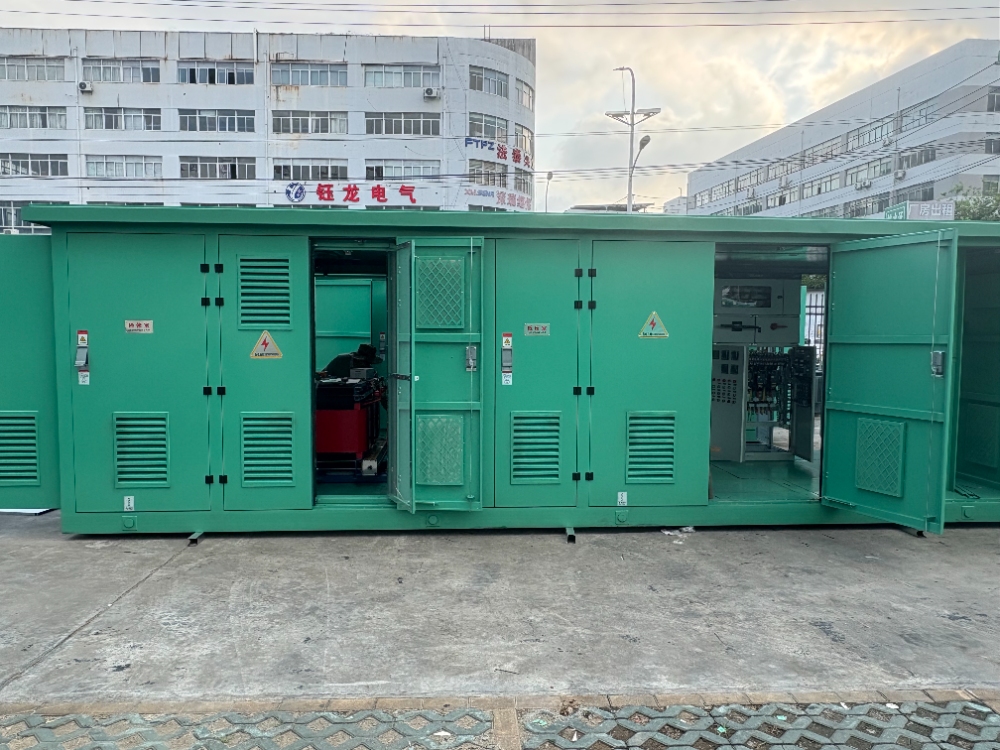
In today's fast-paced environments, energy management is no longer just about monitoring consumption—it's about creating smart, adaptable systems that evolve with your needs. Customized modular designs are revolutionizing how we approach this challenge. Imagine plugging in energy-saving modules for lighting, HVAC, and equipment as easily as swapping out components in a high-tech gadget. These configurations aren't rigid; they're tailored to specific spaces, whether it's a small office, a sprawling factory floor, or a data center. By enabling on-demand expansions and adjustments, these setups help cut down on energy waste from day one, without the need for costly, large-scale overhauls. It's like having a toolkit that fits precisely to your operational puzzle.
What sets these modular systems apart is their inherent flexibility. Unlike traditional one-size-fits-all solutions, they integrate seamlessly with existing infrastructure, minimizing disruptions during implementation. For instance, a manufacturing plant can add real-time monitoring modules for heavy machinery, while a retail store might prioritize smart controls for lighting and refrigeration. This adaptability not only boosts operational efficiency but also ensures that investments are future-proof. As energy demands shift or new technologies emerge, modules can be swapped or upgraded independently, keeping the system agile and responsive. It's a dynamic approach that empowers businesses to manage their energy footprint more intelligently, fostering both cost savings and sustainability goals.
Beyond the technical perks, customized modular designs offer a strategic edge by aligning closely with organizational workflows. They allow for fine-tuned control over energy usage patterns, enabling data-driven decisions that enhance overall performance. Take a smart building scenario: by incorporating modules for occupancy sensors, renewable energy integration, and predictive analytics, facility managers can optimize heating, cooling, and power distribution in real-time. This level of precision reduces inefficiencies and supports a greener operation, all while maintaining a sleek, user-friendly interface. In essence, it's about crafting energy management solutions that feel less like a generic product and more like a bespoke service designed to thrive in diverse, ever-changing landscapes.
Enhancing Reliability and Safety in Electrical Grids
Modern electrical grids are at the heart of our daily lives, and enhancing their reliability isn't just about keeping the lights on—it's about ensuring that hospitals, businesses, and homes remain functional even under stress. By integrating smart sensors and advanced monitoring systems, grids can now predict failures before they happen, allowing for proactive maintenance that minimizes unexpected outages. This shift from reactive to predictive management not only boosts efficiency but also reduces risks to public safety during extreme weather or high-demand periods.
Safety improvements in electrical grids go hand-in-hand with reliability, focusing on protecting both infrastructure and people. Innovations like self-healing grids automatically reroute power during disruptions, isolating faults to prevent cascading failures. Meanwhile, enhanced cybersecurity measures guard against digital threats that could compromise control systems, ensuring that grids remain resilient against both physical and virtual attacks. Together, these strategies create a more robust network that prioritizes continuous operation and minimizes hazards to communities.
Looking ahead, the push for sustainability adds another layer to grid enhancement, with renewable energy sources like solar and wind requiring flexible and adaptive management. By leveraging real-time data analytics and automated controls, grids can balance supply and demand more effectively, integrating green energy without sacrificing stability. This evolution not only supports environmental goals but also sets a new standard for reliable and safe power delivery in an increasingly electrified world.
Rapid Deployment and Scalability for Modern Infrastructure
In today's fast-paced digital landscape, the ability to rapidly deploy and scale infrastructure is no longer a nice-to-have but a critical necessity for businesses striving to stay competitive. Imagine launching a new application within hours instead of months, seamlessly adapting to sudden traffic spikes without downtime, or effortlessly expanding resources across global regions as your user base grows. This agility empowers organizations to respond swiftly to market changes, experiment with innovations, and deliver superior customer experiences, all while keeping operational overheads in check.
Gone are the days of rigid, hardware-bound systems that required lengthy procurement cycles and manual configurations. Modern approaches leverage cloud-native technologies, microservices, and automation tools to enable on-demand provisioning and elastic scaling. For instance, containerization platforms like Kubernetes allow teams to deploy applications consistently across diverse environments, while serverless computing abstracts away infrastructure management entirely, letting developers focus solely on code. These methods not only accelerate deployment from weeks to minutes but also ensure that scaling happens dynamically based on real-time metrics, optimizing costs and performance without human intervention.
What truly sets apart leading-edge solutions is their emphasis on resilience and future-proofing. By designing architectures with failover mechanisms, load balancing, and multi-region support, businesses can achieve both rapid deployment and robust scalability that withstands unforeseen challenges. This holistic approach reduces bottlenecks, enhances reliability, and fosters a culture of continuous improvement, enabling organizations to pivot quickly in an ever-evolving technological world while maintaining a lean, efficient operational model.
Cost-Effective Solutions with Reduced Installation Timelines
We all know that cutting costs and speeding up setup are top priorities for businesses today. Our cost-effective solutions focus on minimizing upfront expenses while delivering robust performance, using modular designs that reduce waste and allow for easy scaling as needs evolve. By streamlining procurement and leveraging off-the-shelf components, we help you avoid costly customizations and delays, ensuring a budget-friendly approach that doesn't compromise on quality.
To slash installation timelines, we've integrated straightforward assembly methods and pre-configured systems that require fewer manual steps. Our team employs efficient workflows and real-time coordination, often completing setups in days instead of weeks. This rapid deployment not only saves on labor costs but also gets your operations up and running faster, giving you a competitive edge by reducing downtime and accelerating your time-to-market.
Unlike generic offerings, our solutions stand out through tailored support and adaptive planning, which anticipate potential hurdles and adjust on the fly. This proactive approach ensures that cost savings and speed go hand-in-hand, making our system a practical choice for diverse industries. By focusing on real-world efficiency, we deliver value that keeps your projects on track and within budget.
Innovative Technologies Driving Future-Ready Power Systems
The energy landscape is undergoing a profound transformation, driven by a suite of innovative technologies that are reshaping power systems to meet future demands. From smart grids that optimize electricity distribution in real-time to advanced energy storage solutions balancing supply and demand, these advancements are enhancing reliability and efficiency. By integrating artificial intelligence and IoT sensors, utilities can predict outages and manage loads dynamically, paving the way for more resilient infrastructures.
Renewable energy sources, such as solar and wind, are being integrated through cutting-edge inverters and microgrid technologies, enabling decentralized power generation and reducing carbon footprints. Blockchain is emerging as a key player, facilitating secure peer-to-peer energy transactions and transparent grid management. These innovations not only support environmental goals but also empower consumers to participate actively in energy markets, fostering a more flexible and sustainable ecosystem.
Looking ahead, innovations like hydrogen fuel cells and advanced nuclear reactors promise to further revolutionize power systems, ensuring they are robust enough to handle increasing electrification and climate challenges. By embracing these technologies, stakeholders can build future-ready systems that are adaptive, secure, and capable of powering a cleaner, more connected world.
FAQ
Prefabricated substations cut installation time from months to weeks by arriving factory-assembled and tested. This modular approach slashes on-site labor costs and reduces project delays, making them a smart choice for grid upgrades or new industrial sites.
OEMs integrate advanced components like fault-detection sensors and climate-resistant enclosures. By controlling the entire assembly process, they ensure tight quality checks that minimize failure risks, leading to fewer outages over the substation's lifespan.
Absolutely. These units are designed with rugged, compact housing that withstands extreme weather, from deserts to coastal areas. Their plug-and-play setup allows deployment in off-grid locations, supporting renewable energy projects like solar farms efficiently.
Beyond faster setup, prefabricated models lower long-term expenses through energy-efficient designs and reduced maintenance. Since they're pre-tested, unexpected issues are rare, avoiding costly downtime that often plagues custom-built installations.
They optimize energy use with smart monitoring systems that regulate load distribution, cutting waste. Their modular nature also means easier upgrades for renewables integration, helping utilities meet green targets without overhauling infrastructure.
Yes, OEMs offer tailored configurations—from voltage ratings to safety features—for sectors like manufacturing, healthcare, or data centers. This flexibility ensures each substation fits specific operational demands without compromising performance.
Modular designs allow seamless expansion or tech swaps as demand grows. Instead of replacing entire systems, utilities can add capacity or new features like AI-driven analytics, keeping grids agile amid evolving energy trends.
Conclusion
OEM prefabricated substations have emerged as a transformative force in power distribution, revolutionizing traditional approaches with their advanced modular solutions. They effectively streamline operations by integrating customized designs that enhance energy management and drive efficiency. The rise of these systems signals a significant shift toward more reliable and safer electrical grids, addressing critical infrastructure needs through innovative, tailor-made configurations that meet specific project demands.
Furthermore, these substations offer remarkable advantages in rapid deployment and scalability, making them ideal for modern infrastructure projects that require quick adaptation and future expansion. By reducing installation timelines and associated costs, they present cost-effective solutions that do not compromise on quality or performance. Looking ahead, the incorporation of cutting-edge technologies ensures these power systems are not only robust but also future-ready, paving the way for smarter, more resilient energy networks worldwide.
Contact Us
Contact Person: Doreen
Email: [email protected]
Tel/WhatsApp: 8618057712366
Website: https://www.liugaopower.com/