

Oil-immersed transformers for optimal performance and reliability
2025-12-30
In the heart of today's power infrastructure, one component stands out for its unwavering reliability and performance: the oil-immersed transformer. These silent workhorses are more than just equipment—they're the lifelines of industries, ensuring smooth operations from urban grids to remote facilities. At Lugao, we've spent decades mastering this technology, pushing boundaries to deliver transformers that aren't just built to last, but engineered to excel. What makes them so indispensable? How does the right design translate to unmatched efficiency and safety? In this blog, we'll peel back the layers—quite literally—to reveal why oil immersion isn't just a method but a mastery, and how Lugao's innovations are setting new standards. Get ready to dive deep into a world where every drop of oil and every coil counts toward powering our future.
Essential Design Features for Enhanced Transformer Longevity
To extend the lifespan of transformers, manufacturers are increasingly focusing on robust design features that can withstand harsh operating environments. Key among these is the use of advanced insulation materials, such as thermally upgraded paper or modern synthetic compounds, which resist degradation from heat and moisture. Proper cooling systems, whether through oil circulation or forced air, play a crucial role in maintaining optimal temperatures and preventing premature failures. Additionally, incorporating durable bushings and tap changers helps minimize external stress and corrosion, ensuring reliable performance over decades.
Another vital aspect is the implementation of predictive maintenance capabilities within the design. This includes built-in sensors for monitoring parameters like temperature, dissolved gases, and partial discharges in real-time. By enabling early detection of potential issues, these features allow for proactive servicing before small problems escalate into costly breakdowns. This approach not only boosts longevity but also enhances safety and reduces downtime in critical applications like power grids and industrial facilities.
Beyond traditional components, innovative designs are emerging that address common wear-and-tear points. For example, some transformers now feature modular construction, making it easier to replace specific parts without a full overhaul. Others utilize enhanced sealing techniques to protect against environmental contaminants like dust and moisture. These strategic upgrades, coupled with rigorous testing and quality control, help deliver transformers that consistently meet or exceed their projected lifespans, providing long-term value to users.
Cooling Mechanisms That Maximize Operational Stability
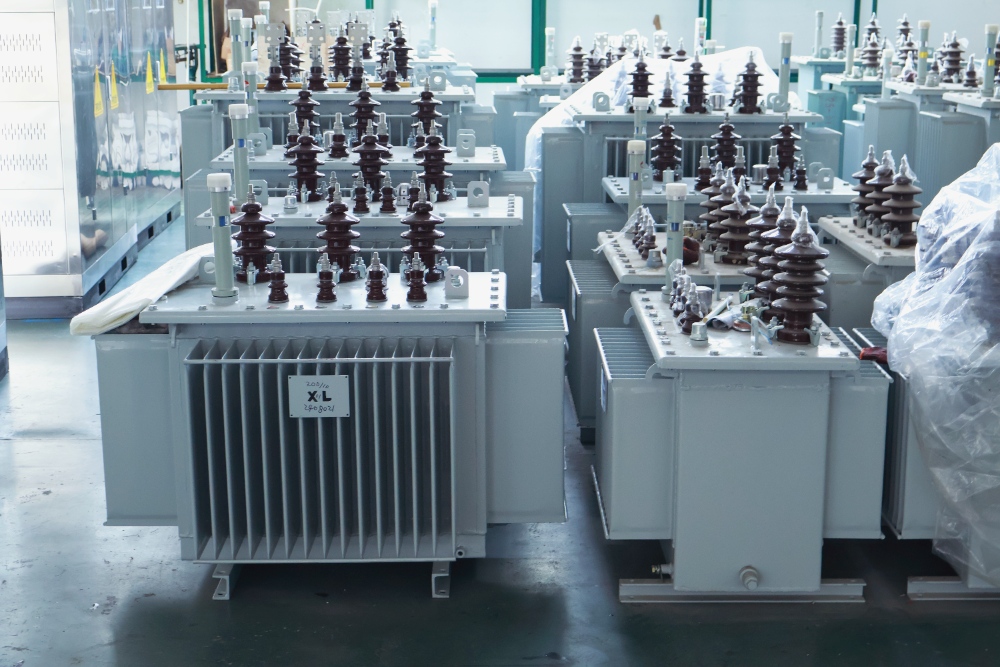
In high-performance systems, operational stability hinges on effective cooling, which prevents thermal throttling and extends equipment lifespan. By integrating advanced liquid cooling solutions with smart thermal management, these mechanisms dynamically adjust to workload demands, ensuring consistent performance even under extreme conditions. They often incorporate phase-change materials or heat pipes that efficiently dissipate heat away from critical components, minimizing hotspots that can lead to failures or reduced efficiency.
Beyond traditional methods, innovations like immersion cooling and direct-to-chip systems are gaining traction for their ability to handle higher heat densities. These approaches submerge components in non-conductive fluids or channel coolant directly to heat sources, drastically lowering temperatures and enhancing reliability. Coupled with predictive analytics, such systems can anticipate thermal stress, preemptively adjusting cooling parameters to maintain stability and avoid downtime, making them indispensable in industries from data centers to automotive electronics.
Customization plays a key role in maximizing stability, as cooling mechanisms are tailored to specific operational environments. For example, in aerospace applications, lightweight, passive cooling designs that leverage natural airflow are prioritized to reduce weight without compromising stability. By continuously evolving through materials science and engineering, these cooling strategies ensure systems operate within optimal temperature ranges, boosting overall durability and performance consistency in demanding settings.
Material Choices for Superior Insulation and Durability
When selecting materials for projects demanding both excellent insulation and long-lasting durability, it's crucial to consider how the composition directly impacts performance in real-world conditions. For insulation, materials like aerogels or advanced polyurethane foams not only provide high thermal resistance but also maintain integrity under fluctuating temperatures, while options like vacuum-insulated panels offer a slim profile with minimal thermal bridging. Durability comes into play with robust choices like fiberglass-reinforced plastics or specialized coatings that resist moisture, UV exposure, and physical wear, ensuring the insulation doesn't degrade over years of use.
Modern blends and composites, such as those incorporating recycled content or bio-based polymers, add an extra layer of resilience by enhancing environmental resistance without sacrificing insulating properties. By integrating these materials thoughtfully, products can achieve a balance where insulation remains effective even in harsh climates, and durability prevents common failures like cracking or sagging, leading to reduced maintenance needs and a longer overall lifespan.
Ultimately, the synergy between insulation and durability in material selection drives innovation across industries, from construction to packaging. By prioritizing materials that excel in both areas, manufacturers can create solutions that not only meet regulatory standards but also offer cost savings and sustainability benefits, making them stand out in a crowded marketplace.
Installation Best Practices to Ensure Peak Performance
Getting the most out of your system starts with a solid installation. You'll want to find a stable, level surface away from direct heat or moisture to prevent any operational hiccups. It's also smart to keep cords untangled and secured; a messy setup isn't just an eyesore—it can lead to performance drops and unnecessary wear. Taking a few moments to check these basics upfront can save you headaches later and maintain smooth, reliable operation.
Once the physical placement is sorted, focus on connecting components accurately. Match each input and output precisely—forcing a wrong fit can damage ports and degrade signals over time. After everything's plugged in, conduct a quick test run to spot any immediate issues. This step often catches simple mistakes like loose cables or misconfigured settings, allowing you to tweak things right away rather than troubleshooting erratic behavior down the line.
To wrap up, don't skip the initial calibration and updates. Many systems come with minor tweaks out of the box that, when adjusted to your specific environment, can significantly boost efficiency. Also, installing the latest firmware or software patches ensures you're running on optimized code, reducing lag and improving stability. A little extra care during setup pays off with consistently high performance and fewer interruptions.
Routine Maintenance Tips for Reliable Transformer Operation
Keeping your transformer running smoothly isn't just about fixing problems when they arise—it's about staying ahead of them. Start with regular visual inspections: check for oil leaks, signs of corrosion, and any unusual noises. Don't just glance; take your time to spot subtle changes. Cleaning cooling fins and ensuring proper ventilation can prevent overheating, which is a common culprit in transformer failures. Investing in predictive maintenance tools, like thermal imaging or dissolved gas analysis, can provide early warnings before small issues turn into costly repairs.
Oil quality is the lifeblood of many transformers, so make oil testing a non-negotiable part of your routine. Monitor moisture content, acidity, and dielectric strength regularly to catch degradation early. If you notice a drop in performance, don't hesitate to schedule a filter change or top-up with high-grade oil. Remember, a little proactive care here can extend your transformer's lifespan significantly, saving you from unexpected downtime and replacement expenses.
Beyond the hardware, document everything meticulously. Keep a log of inspections, tests, and any adjustments made. This isn't just paperwork—it helps track trends over time and makes troubleshooting faster when issues do pop up. Train your team to recognize early warning signs and empower them to act. Reliable operation isn't a one-time task; it's a continuous commitment to vigilance and care that pays off in long-term efficiency and safety.
Environmental and Safety Considerations in Oil-Immersed Transformers
Oil-immersed transformers are integral components in power distribution, but their operation raises significant environmental and safety concerns that require careful attention. The insulating oil used in these transformers, typically mineral-based or synthetic, can pose risks if not managed properly. Leaks or spills may contaminate soil and groundwater, leading to long-term ecological damage and potential regulatory penalties. Additionally, the oil can degrade over time, forming by-products that impact transformer efficiency and increase flammability hazards. To mitigate these issues, transformers are often equipped with leak detection systems and containment measures, while regular oil testing helps monitor quality and prevent environmental incidents. By prioritizing these practices, industries can minimize their ecological footprint and enhance operational safety.
From a safety perspective, oil-immersed transformers present unique challenges, especially in densely populated or sensitive areas. The mineral oil commonly used is combustible, and in the event of a fault or overheating, it can ignite, causing fires or explosions that endanger personnel and infrastructure. This risk necessitates robust fire protection systems, such as automatic sprinklers or fire-resistant barriers, along with clear safety protocols for maintenance and emergency response. Moreover, transformer oils may contain polychlorinated biphenyls (PCBs) in older units, which are toxic and persistent in the environment, requiring special handling and disposal under strict regulations like the Toxic Substances Control Act. Ensuring proper labeling, employee training, and adherence to safety standards is crucial to prevent accidents and protect human health.
To stay ahead of evolving environmental and safety demands, innovations in oil-immersed transformer technology are continually emerging. For instance, the adoption of biodegradable or less flammable oils, such as natural ester fluids, offers a greener alternative that reduces fire risks and environmental impact. Furthermore, advancements in monitoring systems, like online sensors for temperature and gas analysis, enable real-time detection of potential failures before they escalate. By integrating these technologies, operators can not only comply with regulations but also improve reliability and reduce lifecycle costs. Ultimately, balancing performance with proactive environmental and safety measures is key to optimizing transformer systems for sustainable energy grids.
FAQ
Oil-immersed transformers provide superior cooling and insulation, ensuring stable operation under heavy loads and in harsh environments, which reduces downtime and maintenance costs.
They dissipate heat more efficiently through the oil medium, allowing for higher power ratings and longer lifespan, especially in demanding applications like mining or manufacturing.
Regular oil testing for quality and moisture, along with scheduled inspections for leaks or component wear, can prevent failures and optimize reliability over decades of use.
Key safety elements include robust sealing to contain oil, pressure relief devices for overloads, and fire-resistant designs that minimize risk in case of faults or accidents.
Yes, they can be tailored with specific voltage ratings, cooling systems, or materials to suit diverse settings, from remote renewable energy sites to urban grid upgrades.
Modern designs often use biodegradable oils and improved containment to reduce ecological impact, aligning with sustainability goals while maintaining high performance standards.
Focus on load capacity, environmental conditions, regulatory compliance, and lifecycle costs to ensure it meets operational needs and budget constraints effectively.
Conclusion
Optimizing performance and ensuring the enduring reliability of oil-immersed transformers hinges on a holistic approach integrating superior design, materials, and operational practices. Essential features like robust insulation systems and advanced cooling mechanisms, including forced oil circulation or radiators, are crucial for dissipating heat and maintaining operational stability under varying loads. Material choices, particularly high-grade insulating oils and durable cellulose-based materials, directly impact longevity by enhancing dielectric strength and resisting thermal degradation. Proper installation best practices, such as secure mounting, correct oil filling, and thorough commissioning tests, lay the foundation for peak performance from the outset, minimizing initial faults and ensuring seamless integration into power systems.
Achieving optimal reliability further depends on diligent routine maintenance and strict adherence to environmental and safety protocols. Regular monitoring, including oil quality analysis, temperature checks, and visual inspections for leaks or corrosion, enables proactive identification of potential issues before they escalate into failures. Safety considerations involve grounding, arc-flash protection, and spill containment measures to mitigate risks associated with oil flammability and environmental contamination. By combining these elements—thoughtful design, premium materials, precise installation, consistent upkeep, and rigorous safety standards—oil-immersed transformers deliver unparalleled performance and resilience, making them indispensable in demanding applications where downtime is not an option.
Contact Us
Contact Person: Doreen
Email: [email protected]
Tel/WhatsApp: 8618057712366
Website: https://www.liugaopower.com/