

Outdoor Circuit Breaker: Your Ultimate Guide for Safety and Durability
2026-01-03
When it comes to electrical safety in the great outdoors, an outdoor circuit breaker is your first line of defense against hazards. But what sets apart a reliable breaker from the rest? At Lugao, we believe it's a blend of robust design and cutting-edge technology. In this guide, we’ll dive into how Lugao ensures your outdoor systems are not just safe, but built to last. From weather-resistant features to smart innovations, get ready to discover why choosing the right breaker matters more than you think. Join us as we explore the essentials for durability and peace of mind!
Understanding the Basics of Outdoor Circuit Breakers
Outdoor circuit breakers play a crucial role in electrical systems by providing protection against overloads and short circuits in exposed environments. They are specifically designed to withstand harsh weather conditions, including rain, snow, and extreme temperatures, ensuring reliable operation year-round. Unlike indoor breakers, which are housed in controlled settings, outdoor versions often feature robust enclosures made from materials like galvanized steel or durable plastics to resist corrosion and physical damage. This makes them ideal for applications such as residential gardens, commercial outdoor lighting, and industrial power distribution in open areas.
Beyond mere weather resistance, these breakers incorporate advanced technology to enhance safety and performance. For instance, many models include ground fault protection to prevent electrical shocks in damp conditions, a critical feature for outdoor use where moisture is prevalent. Some breakers also offer adjustable trip settings, allowing users to customize sensitivity based on specific load requirements. This adaptability helps prevent nuisance tripping while maintaining robust protection against faults, ensuring that outdoor electrical setups remain both safe and efficient. Additionally, modern outdoor circuit breakers often integrate with smart home systems for remote monitoring and control, adding convenience to their protective capabilities.
When selecting an outdoor circuit breaker, it's essential to consider factors beyond basic specifications, such as local climate and installation environment. Proper selection ensures longevity and minimizes maintenance needs, making them a smart investment for any outdoor electrical project. By understanding how these devices function—from their rugged construction to their safety features and integration options—users can make informed decisions that enhance system reliability and safety in outdoor spaces.
Key Safety Features to Protect Your Electrical System
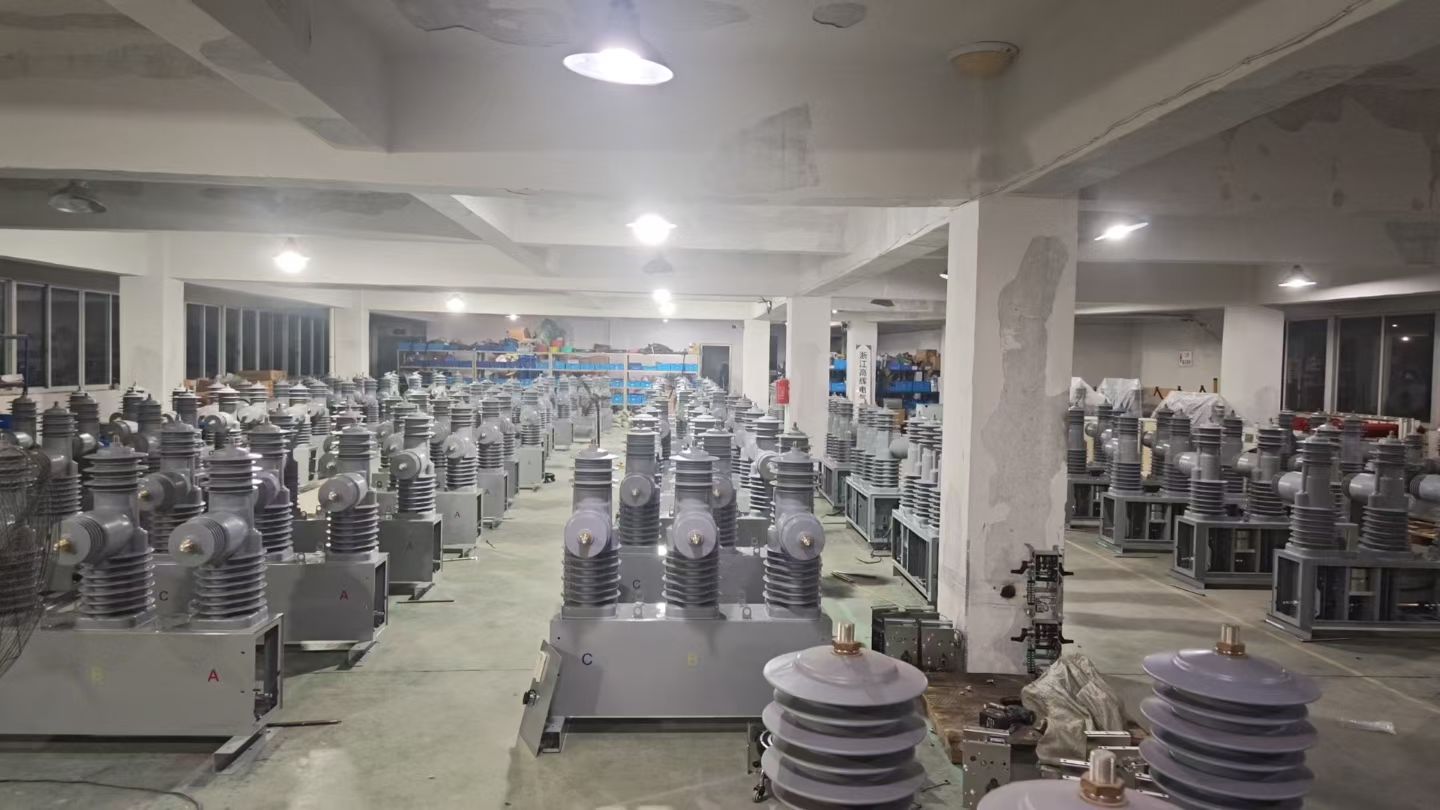
Let's start with circuit breakers and fuses – these are often overlooked but essential components in any home or business electrical setup. They act as the first line of defense by automatically shutting off power when they detect an overload or short circuit, preventing overheating and potential fires. Instead of just mentioning their function, think about upgrading to arc-fault circuit interrupters (AFCIs), which go a step further by detecting dangerous arcing conditions that standard breakers might miss, adding an extra layer of protection tailored to modern wiring systems.
Grounding systems are another critical safety feature that shouldn't be taken for granted. Proper grounding ensures that any stray electrical currents are safely directed into the earth, reducing the risk of electric shock or damage to appliances. It's not just about having a ground wire; periodic checks by a professional can verify that your grounding rods and connections remain effective, especially after storms or renovations, ensuring your system handles surges gracefully without relying solely on surge protectors.
Consider incorporating smart safety technologies like GFCI outlets and whole-house surge protectors for a more comprehensive approach. GFCIs are particularly useful in wet areas like kitchens and bathrooms, where they quickly cut power upon detecting ground faults, protecting users from shock. Meanwhile, a whole-house surge protector installed at your main panel guards against voltage spikes from lightning or utility fluctuations, safeguarding sensitive electronics in a way that individual outlet protectors can't match. These features, when combined, create a resilient electrical environment that adapts to daily use and unexpected events.
Choosing the Right Breaker for Durability in Harsh Weather
When selecting a breaker for harsh weather conditions, it's essential to consider the materials and construction that can withstand extreme elements. Look for models with corrosion-resistant coatings or seals, as saltwater, heavy rain, and intense UV exposure can quickly degrade standard components. Investing in breakers designed specifically for outdoor or industrial use often pays off in reduced maintenance and longer service life, ensuring reliable operation even during storms or temperature swings.
Beyond just weatherproofing, evaluate the breaker's resilience to physical stress in rugged environments. This includes checking for robust housing that resists impacts, vibrations, and dust intrusion, which are common in coastal or arctic settings. Features like gasketed enclosures or modular designs not only enhance durability but also simplify repairs if damage occurs, minimizing downtime when it matters most.
Lastly, don't overlook the importance of thermal management in harsh climates. Breakers that incorporate effective heat dissipation mechanisms prevent overheating in hot conditions or freezing in cold ones, maintaining consistent performance. By prioritizing these factors, you can choose a breaker that not only survives but thrives in challenging weather, providing peace of mind and cost savings over time.
Installation Tips for Maximum Performance and Longevity
Getting your setup right from the start can make a world of difference in how well your equipment runs and how long it lasts. It's not just about following the manual—think of it as creating the perfect environment for your gear to thrive. A smooth installation lays the groundwork for reliable operation, helping you avoid common pitfalls that lead to wear and tear down the line.
Pay close attention to factors like temperature, humidity, and ventilation in the installation area. These might seem like minor details, but they play a huge role in preventing overheating and reducing stress on components. For instance, ensuring adequate airflow around the unit can significantly extend its lifespan by keeping internal parts cooler and less prone to failure. It's a simple step that often gets overlooked but pays off in the long run.
Finally, don't rush the process. Take your time to secure all connections properly and double-check alignment and leveling. A stable, vibration-free installation minimizes mechanical strain, which is key for maintaining peak performance over years of use. By investing a bit of extra effort upfront, you're setting yourself up for smoother operation and fewer headaches later on.
Maintenance Practices to Ensure Reliable Operation
Effective maintenance isn't just about fixing things when they break; it's a proactive strategy that keeps your operations running smoothly day in and day out. By sticking to a well-structured maintenance schedule, you can catch minor issues before they snowball into major disruptions. This approach not only extends the lifespan of your equipment but also minimizes unexpected downtime, ensuring that your team can focus on productivity rather than troubleshooting.
One of the key elements in reliable maintenance is the regular inspection of critical components. Think of it as a routine health check for your machinery—identifying wear and tear early allows for timely interventions. Coupled with detailed record-keeping, these inspections help build a historical data set that can predict future failures. This data-driven insight enables you to allocate resources more efficiently, whether it's scheduling replacements during low-activity periods or training staff on specific repair techniques.
Beyond the technical aspects, fostering a culture of maintenance awareness among your team plays a crucial role. Encourage operators to report even the slightest anomalies, as their firsthand observations often highlight issues that scheduled checks might miss. Integrating these practices into daily routines transforms maintenance from a reactive task into an integral part of operational excellence, ultimately boosting reliability and confidence in your systems.
Innovative Designs That Enhance Outdoor Safety and Efficiency
As outdoor enthusiasts seek smarter, safer adventures, cutting-edge designs are reshaping how we interact with the elements. From trail-ready wearables that monitor vital signs in real-time to modular solar panels that power campsites without a whisper, these innovations blend form and function seamlessly. They're not just gadgets; they're lifelines that anticipate risks before they escalate, making every journey more intuitive and less hazardous.
Efficiency takes center stage with gear that minimizes effort while maximizing output. Think of lightweight, weather-resistant shelters that deploy in minutes, or multi-tool systems that replace a backpack's worth of equipment. These designs cut through the clutter of traditional outdoor setups, offering sleek alternatives that save time and energy. By simplifying tasks like navigation or resource management, they let adventurers focus on the experience rather than the logistics.
Beyond individual items, holistic systems integrate safety and efficiency into the very fabric of outdoor life. For instance, smart trail networks with embedded sensors can alert users to changing conditions, while community-driven apps share real-time updates on hazards or crowd levels. This interconnected approach fosters a safer, more streamlined environment, proving that innovation isn't just about better tools—it's about creating smarter ecosystems where every element works in harmony.
FAQ
An outdoor circuit breaker is a safety device installed outside buildings or structures to protect electrical circuits from damage caused by overcurrents, short circuits, or faults. It's crucial because it prevents fires, electric shocks, and equipment damage, ensuring reliable power supply in harsh weather conditions.
Select based on your electrical load requirements, voltage rating, and environmental factors like moisture and temperature extremes. Look for breakers with high durability ratings, such as those with waterproof and UV-resistant casings, and consult a licensed electrician to ensure proper installation for safety.
Key features include robust materials like fiberglass or polymer housings, corrosion-resistant components, and advanced trip mechanisms for reliable performance. Ensure it has certifications like UL or IEC standards and consider options with remote monitoring capabilities for added convenience.
Regularly inspect for signs of wear, corrosion, or debris buildup, and test the breaker's trip function periodically. Keep the area around it clear of vegetation and ensure proper sealing against moisture. For maintenance, always turn off the power and hire a professional if unsure.
Avoid improper sizing that doesn't match the circuit load, incorrect mounting that exposes it to water or physical damage, and using substandard wiring. Never skip grounding or overlook local electrical codes, as this can lead to serious safety hazards and void warranties.
Yes, high-quality outdoor circuit breakers are designed for extremes like rain, snow, and high heat. They feature enhanced insulation, weatherproof enclosures, and thermal management systems to operate safely. Check the product's IP (Ingress Protection) rating to confirm suitability for specific environments.
Outdoor circuit breakers are built with tougher materials and protective coatings to withstand environmental stresses like UV exposure and moisture, while indoor models prioritize compact design and aesthetic integration. Outdoor versions often have higher safety ratings and are designed for direct exposure to elements.
Conclusion
Outdoor circuit breakers serve as the critical guardians of electrical systems exposed to the elements, combining fundamental knowledge and advanced safety features for optimal protection. Understanding their basics, such as types, functions, and weather-resistant materials, lays the foundation for safe and durable installations. Key safety features, including ground fault protection and overload detection, work in tandem to shield systems from environmental hazards like moisture and extreme temperatures, ensuring reliable operation even in harsh conditions.
Selecting the right breaker involves considering factors like weather ratings and durability, supported by innovative designs that enhance efficiency and safety through features like self-diagnostic systems. Proper installation and regular maintenance, such as cleaning and inspection, are essential for maximizing performance and longevity, making this guide a comprehensive resource for anyone prioritizing electrical resilience in outdoor settings.
Contact Us
Contact Person: Doreen
Email: [email protected]
Tel/WhatsApp: 8618057712366
Website: https://www.liugaopower.com/