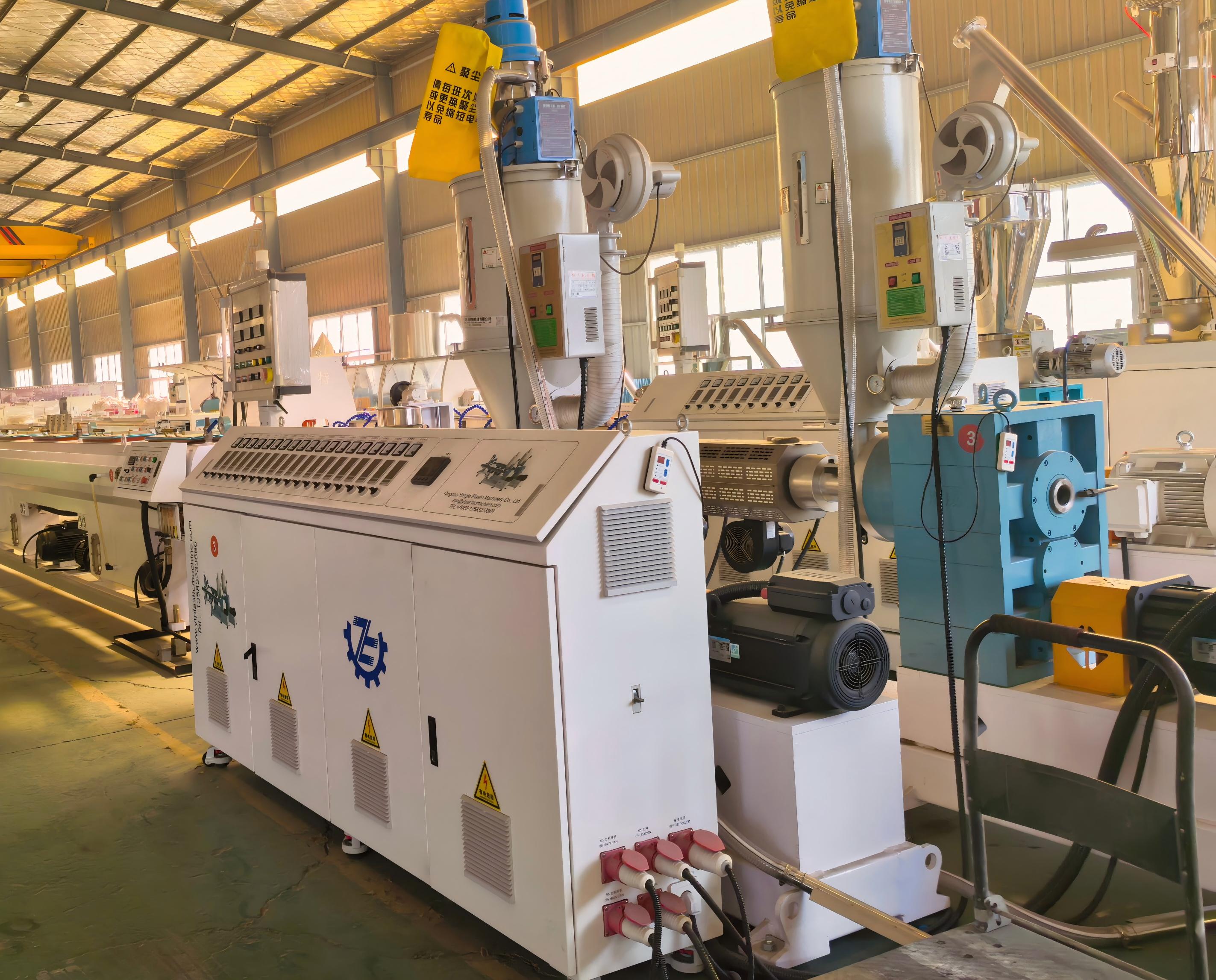

Plastic Lumber Machine: Unveiling the Best Solution for Eco-Friendly Construction
2026-03-19
In the evolving landscape of sustainable construction, the search for innovative materials has never been more crucial. Enter plastic lumber machines—a game-changer in eco-friendly building practices. These advanced systems transform waste plastic into durable, weather-resistant lumber, offering a viable alternative to traditional wood and concrete. At the forefront of this green revolution is Yongte, a brand dedicated to pioneering solutions that merge efficiency with environmental stewardship. This blog post delves into how plastic lumber machines are reshaping the construction industry, highlighting the best practices and technologies that make them a standout choice. Get ready to explore a future where sustainability meets strength, and discover why embracing these innovations might just be the key to building a greener world.
How Plastic Lumber Machines Transform Waste into Building Materials
Plastic lumber machines are innovative systems that repurpose discarded plastic into durable building materials, addressing waste management challenges while reducing reliance on traditional resources. These machines typically process a mix of plastics—like bottles and packaging—through shredding, melting, and extrusion stages to form planks or beams. By doing so, they not only divert plastic from landfills but also create products that resist moisture, rot, and insects, making them ideal for outdoor applications such as decks and fences.
What sets these machines apart is their ability to handle diverse plastic types, even contaminated ones, through advanced sorting and cleaning technologies. They transform what would otherwise be harmful pollutants into sturdy materials that can last decades with minimal maintenance. This dual benefit—environmental cleanup and resource generation—highlights their role in promoting circular economies, where waste is continuously reused rather than discarded.
Moreover, the resulting plastic lumber often outperforms wood in certain aspects, requiring no chemical treatments or painting, which adds to its sustainability appeal. As communities and industries seek greener alternatives, these machines are becoming key tools in urban development projects, helping to build infrastructure that's both eco-friendly and cost-effective in the long run.
Key Features That Set Top Plastic Lumber Machines Apart
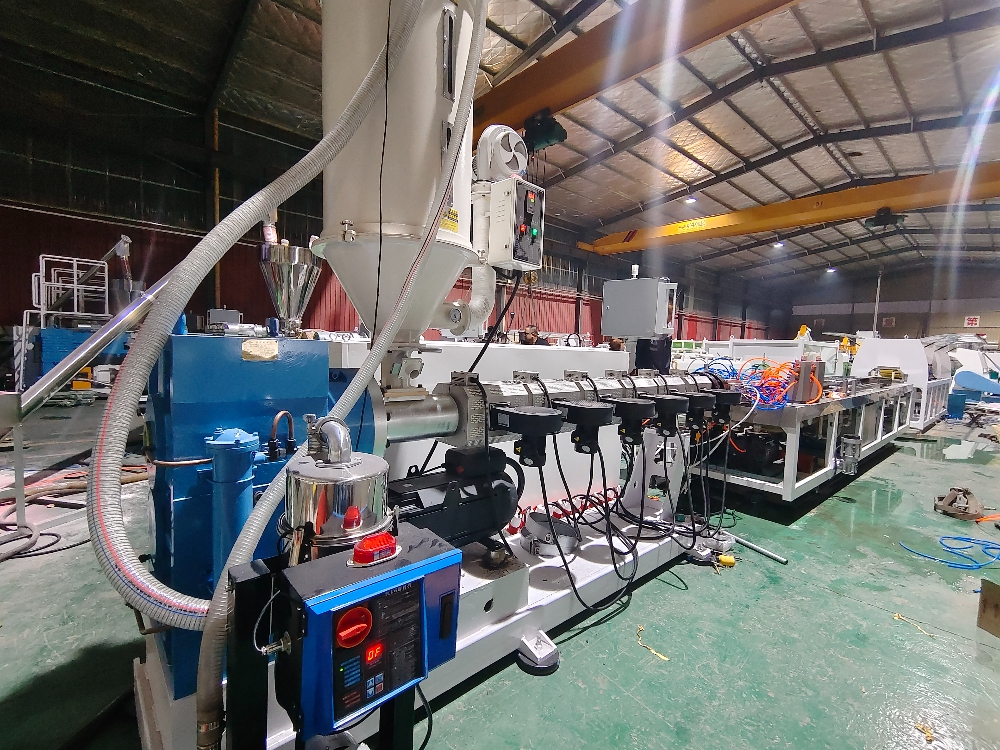
One standout feature is advanced material integration technology, which allows these machines to handle a wider variety of plastics—think not just straightforward HDPE or LDPE, but mixtures containing agricultural waste, industrial scrap, or even small amounts of rubber. Unlike basic models, top-tier machines blend these materials more uniformly, ensuring the final lumber has consistent density and color with fewer weak spots. This versatility means manufacturers can tap into local waste streams, often cutting material costs while producing boards that are just as durable as those from virgin plastics.
Another key differentiator is the precision in extruder design and temperature control. High-end machines use multi-zone heating systems that fine-tune temperatures along the entire barrel, preventing overheating in one section while another cools prematurely. This results in smoother extrusion with minimal void formation, so the lumber resists warping and cracking even in harsh weather conditions. You’ll notice the surface finish is remarkably sleek right off the line, reducing the need for post-processing steps like sanding or coating, which saves time and operational expenses.
Lastly, top plastic lumber machines shine in their customizable output options. They don’t just churn out standard planks; they let operators tweak parameters on the fly to produce varied profiles—say, hollow-core boards for lightweight decking or solid ones for heavy-duty structural uses. Coupled with smart monitoring systems that alert to wear in screws or dies before breakdowns occur, this adaptability translates to less downtime and a broader product lineup. It’s this blend of reliability and flexibility that really sets the best machines apart, enabling users to cater to niche markets without retooling extensively.
Reducing Carbon Footprint with Recycled Plastic Construction
Recycled plastic construction is emerging as a game-changer in sustainable building, offering a practical route to cut carbon emissions. By repurposing plastic waste into durable materials like bricks, panels, and insulation, this approach tackles two environmental issues at once: it diverts tons of plastic from landfills and oceans, while reducing the need for energy-intensive traditional materials such as concrete and steel. This shift not only lowers immediate carbon output but also promotes a circular economy, where resources are reused rather than discarded.
What sets recycled plastic construction apart is its versatility and innovation. Unlike some green building methods that rely on costly or niche materials, recycled plastics can be processed into various forms—from modular blocks for affordable housing to lightweight composites for infrastructure projects. This adaptability makes it accessible for diverse applications, from urban developments to remote areas, fostering wider adoption. Moreover, these materials often exhibit enhanced properties, like resistance to moisture and decay, which can extend building lifespans and further reduce long-term environmental impact.
The long-term benefits of this approach are profound. By embedding recycled plastics into construction, we create a tangible link between waste management and climate action, inspiring communities and industries to rethink resource use. As more projects showcase its success—from eco-friendly homes to public spaces—it gains traction as a viable, scalable solution. This not only helps mitigate carbon footprint but also builds resilience against future environmental challenges, paving the way for a more sustainable built environment.
Applications of Plastic Lumber in Modern Eco-Friendly Projects
Plastic lumber, made from recycled plastics, has emerged as a versatile and sustainable material in eco-friendly construction, particularly in decking and landscaping. Unlike traditional wood, it doesn't rot, splinter, or require toxic treatments, reducing maintenance and environmental impact. For instance, in urban parks and waterfronts, plastic lumber benches and walkways withstand harsh weather without leaching chemicals, ensuring long-term durability. Its use in playgrounds enhances safety by eliminating splinters while diverting plastic waste from landfills.
Beyond simple structures, plastic lumber is being integrated into innovative green building projects, such as modular housing and community gardens. In housing, it serves as a non-corrosive foundation or framing material, improving energy efficiency through better insulation properties. For community gardens, raised beds made from plastic lumber resist pests and moisture, promoting organic farming without pesticide runoff. This adaptability makes it a key component in achieving LEED certification and other sustainability benchmarks.
In large-scale infrastructure, plastic lumber is transforming projects like boardwalks, bridges, and coastal barriers, where its resistance to saltwater and UV exposure is critical. By replacing treated lumber, it reduces deforestation and prevents hazardous chemicals from polluting ecosystems. Moreover, as a closed-loop material, it encourages circular economy practices by being recyclable at the end of its life cycle. These applications demonstrate how plastic lumber is not just an alternative but a cornerstone in modern eco-friendly design, fostering resilience and environmental stewardship.
Comparing Costs: Plastic Lumber vs. Traditional Wood
When considering plastic lumber versus traditional wood, the cost comparison is a key factor for many buyers, but it's not as straightforward as just comparing initial prices. Plastic lumber often carries a higher upfront cost per linear foot or board, which can be a deterrent for budget-conscious projects. However, this initial investment needs to be weighed against long-term savings. Traditional wood, while cheaper to purchase initially, requires regular maintenance such as staining, sealing, and repairs to combat rot, insect damage, and weathering. Over time, these maintenance expenses can add significantly to the total cost, making plastic lumber—which is durable, low-maintenance, and resistant to decay—potentially more economical in the long run, especially for outdoor applications like decking or fencing where durability is paramount.
Another aspect to consider is the lifecycle cost analysis, which goes beyond simple price tags. Plastic lumber, typically made from recycled materials like HDPE or PVC, offers environmental benefits that might offset its higher initial cost through reduced waste and longer lifespan. In contrast, traditional wood may need replacement every 10-15 years depending on the species and exposure, leading to recurring purchase and labor costs. Additionally, plastic lumber's resistance to moisture and pests means fewer surprises down the line, whereas wood can incur hidden expenses from unexpected repairs. By factoring in installation ease and reduced downtime for upkeep, plastic lumber often proves a smarter financial choice for those planning ahead, despite the sticker shock at checkout.
Market trends also influence the cost dynamics between these materials. With rising concerns over sustainability, plastic lumber's appeal is growing, potentially driving prices more competitive as demand increases. Meanwhile, fluctuations in timber prices due to supply chain issues or environmental regulations can make wood less predictable cost-wise. For instance, premium hardwoods might see price spikes, while plastic lumber costs remain relatively stable due to recycled material sourcing. Ultimately, the best choice depends on your specific project needs: if you prioritize low maintenance and longevity, plastic lumber's higher upfront cost may be justified, whereas for short-term or temporary use, traditional wood's lower initial expense might suffice. Always compare total ownership costs, not just purchase prices, to make an informed decision.
Maintenance and Durability Advantages of Plastic Lumber Products
One of the standout benefits of plastic lumber products is their remarkably low maintenance requirements. Unlike traditional wood, which demands regular staining, sealing, or painting to ward off decay and weathering, plastic lumber retains its integrity with minimal upkeep. A simple rinse with water or mild soap is often all that's needed to keep these materials looking fresh and vibrant for years, saving both time and money for homeowners and businesses alike.
In terms of durability, plastic lumber truly shines in harsh environments where wood might falter. These products are engineered to resist moisture, insects, and rot without the need for chemical treatments. Whether it's a deck exposed to constant rain or a boardwalk by the sea, plastic lumber holds up without warping, splintering, or deteriorating, ensuring a long-lasting and safe surface that demands little attention over its lifespan.
Beyond just surviving the elements, plastic lumber offers consistent performance that sets it apart from alternatives. Its color is often infused throughout the material, meaning scratches or wear won't reveal an unsightly underlayer—a common issue with coated woods. This inherent resilience, combined with a design that avoids the pitfalls of natural materials, makes plastic lumber a smart choice for projects where longevity and ease of care are top priorities.
FAQ
Plastic lumber machines process recycled plastics into durable building materials, offering benefits like resistance to rot, insects, and moisture, reducing the need for chemical treatments and landfill waste.
By turning post-consumer plastic waste into usable lumber, it promotes recycling, lowers carbon emissions from deforestation, and supports sustainable building without compromising on strength or durability.
Yes, these machines allow for customization in terms of size, shape, and color, enabling architects and builders to create tailored solutions for decking, fencing, and structural applications.
Commonly used plastics include HDPE (like milk jugs), LDPE (such as plastic bags), and PP (from containers), which are shredded and melted to form high-quality lumber.
While plastic lumber may have a higher upfront cost, it often proves more economical in the long run due to lower maintenance, longer lifespan, and reduced replacement needs.
Challenges can include higher initial investment for machinery, variability in raw material quality, and ensuring structural performance meets building codes, but ongoing innovations are addressing these issues.
Recent advancements include improved melting processes for better material consistency, integration of smart sensors for quality control, and designs that handle mixed plastics more effectively to boost recycling rates.
They can begin by assessing local plastic waste streams, investing in appropriate machinery based on scale, training staff, and partnering with recycling programs to source materials and market the eco-friendly products.
Conclusion
Plastic lumber machines represent a transformative solution for eco-friendly construction by converting plastic waste into durable building materials. These innovative systems process discarded plastics into lumber that can replace traditional wood in various applications, effectively tackling waste management issues while creating sustainable resources. The process not only helps clear landfills and oceans of plastic pollution but also reduces reliance on deforestation, aligning with global environmental goals. By integrating key features like advanced extrusion technology and material blending capabilities, top machines produce high-quality, consistent plastic lumber suitable for construction needs. This transformation underscores how technology can turn environmental challenges into opportunities for sustainable development.
Using plastic lumber from these machines significantly lowers the carbon footprint compared to conventional materials, as it relies on recycled content and minimizes energy consumption in production. Applications span modern eco-friendly projects, from decks and fences to structural components in buildings, offering versatility and durability that often surpasses traditional wood. When comparing costs, plastic lumber is competitive, with long-term savings from reduced maintenance and extended lifespan, making it an economical choice despite higher upfront expenses. Its resistance to rot, pests, and weathering enhances durability, contributing to reduced waste and resource use over time. Thus, plastic lumber machines unveil a practical and innovative path toward greener construction practices.
Contact Us
Contact Person: Ms Qin
Email: [email protected]
Tel/WhatsApp: 8613583233866
Website: https://www.yongteplast.com