

Polymer-Based Road Hardening Agents: A Revolutionary Solution for Pavement Durability
2026-07-15
Every road tells a story of wear and tear, from relentless traffic to extreme weather. But what if the ground beneath could become nearly indestructible? MST is rewriting the rules of pavement engineering with polymer-based road hardening agents that defy conventional limits. This isn’t just about longer-lasting roads—it’s a quiet revolution in durability, sustainability, and cost-efficiency. As we dig into the science and real-world impact, you’ll discover why this breakthrough might be the most underrated innovation in modern infrastructure.
How Polymer Chemistry Transforms Conventional Asphalt
At the molecular level, conventional asphalt struggles with temperature extremes—softening in heat and cracking in cold. Polymer chemistry rewrites these limitations by introducing long-chain molecules that weave through the bitumen matrix, creating a resilient network. When a styrene-butadiene-styrene (SBS) polymer is blended into hot asphalt, its segments partially dissolve and then phase-separate upon cooling, forming a dispersed, elastic skeleton. This structural shift physically resists deformation under traffic loads and thermally induced stress, essentially converting a simple viscoelastic fluid into a tougher, more fatigue-resistant material.
The transformation goes beyond simple stiffening. Polymers can be chemically reactive or inert, each altering the asphalt's aging pathway. Reactive polymers, such as those containing epoxy or isocyanate groups, form covalent bonds with asphaltene molecules, locking the binder’s composition over time and preventing the oxidation-induced embrittlement that plagues plain asphalt. Even non-reactive polymers like EVA modify the microstructure: they absorb lighter oil fractions and swell, which shifts the binder’s glass transition temperature downward, preserving flexibility in winter and reducing viscous rutting in summer. The result is a pavement that maintains its integrity across a wider service temperature range, extending life cycles by years.
Polymer-modified asphalt also exhibits a dynamic response at the microscale: under repeated loading, stress concentrations are redistributed through the polymer-rich phases, delaying the onset of microcracks. This self-relaxation behavior means the pavement naturally recovers from minor strain, much like a memory foam mattress springing back. Field performance reflects this chemistry—polymer-enhanced roads show fewer reflective cracks and less raveling, even under heavy traffic. What begins as a careful selection of polymer type, molecular weight, and blending conditions ends as a durable, all-weather surface that redefines what roads can withstand.
Why Traditional Pavement Additives Underperform Over Time
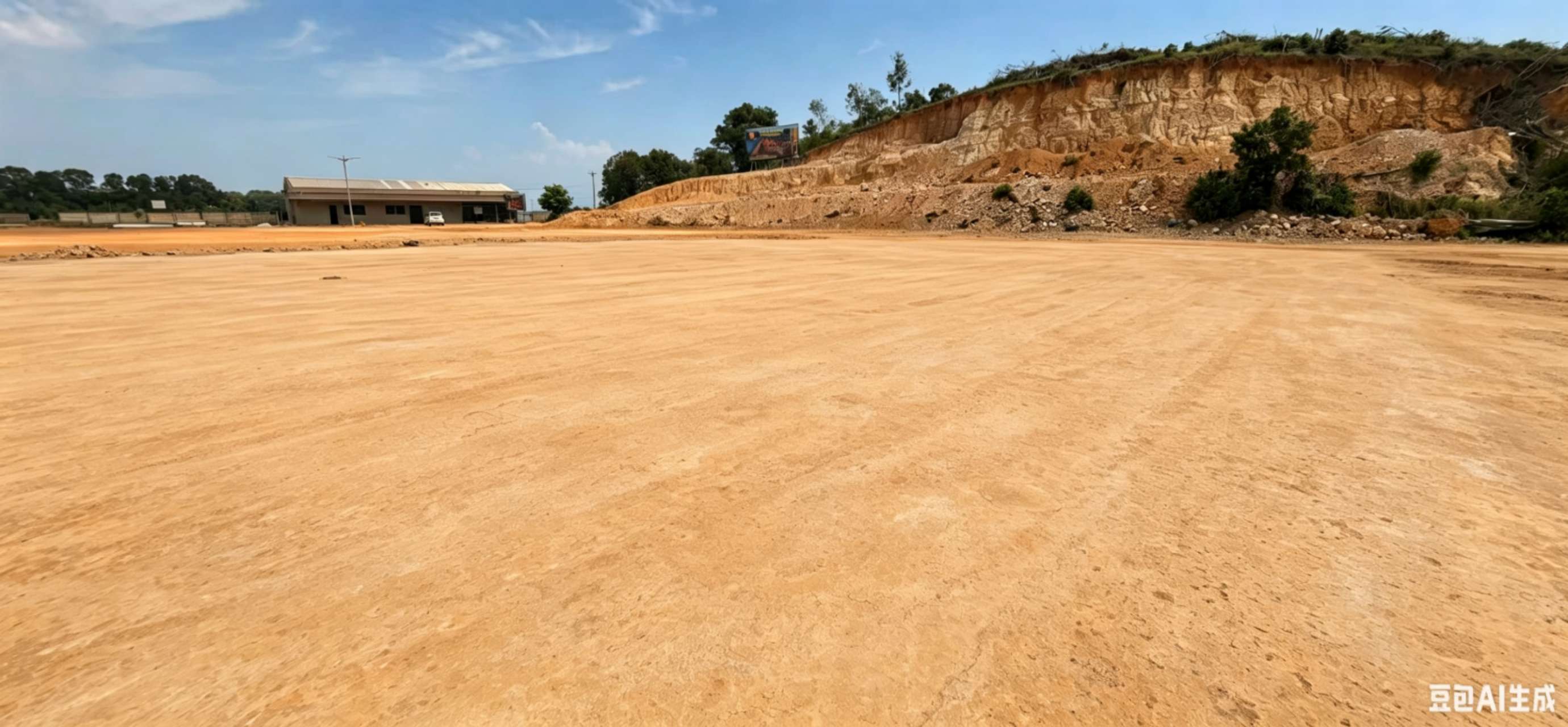
Most traditional pavement additives rely on short-lived physical bonds that break down under the relentless stress of traffic and weather. Over time, the constant expansion and contraction from temperature swings, combined with moisture intrusion and UV exposure, causes these additives to leach out or degrade, leaving the pavement brittle and prone to cracking. The result is a surface that quickly reverts to its original, vulnerable state, often within a year or two of application.
Another fundamental flaw lies in their inability to form a deep, chemical bond with the pavement material. Many additives merely coat the surface, creating a temporary film that wears away unevenly. This superficial interaction means the underlying structure remains unchanged, so as the pavement flexes under heavy loads, the treated layer peels away or develops potholes much sooner than expected.
Finally, traditional formulations often neglect the diverse mineral composition of different aggregates and binders. A one-size-fits-all approach leads to poor compatibility, where the additive fails to integrate properly with the specific chemistry of the pavement. This disconnect accelerates deterioration, making maintenance cycles more frequent and costly without delivering a lasting improvement in performance.
Field Data That Redefines Long-Term Durability
Real-world performance rarely mirrors lab simulations. Our field data, gathered across diverse operating environments, reveals patterns of material behavior that controlled tests miss. This isn't just about extrapolating wear rates from accelerated aging; it's about understanding how cumulative stresses—temperature swings, vibration, chemical exposure—interact over time in actual installations.
We've tracked components through millions of hours of continuous service. The insights upend conventional wisdom: some materials deemed marginal in the lab outperform under real conditions, while others degrade in unexpected ways. By feeding this data back into design and material selection, we've moved beyond brittle theoretical limits to build products that earn their longevity on the ground, not on paper.
Cost-Effectiveness Beyond the Initial Price Tag
When evaluating any investment, the sticker price tells only part of the story. Long-term value often hides in the details—energy consumption, maintenance demands, and the lifespan of components. A product that seems expensive upfront might quietly save thousands over a decade through lower operating costs, while a bargain alternative could drain resources with constant repairs and inefficiencies. Smart buyers learn to trace the full expense arc, mapping out not just the purchase but the years that follow.
Operational efficiency is the quiet engine of genuine affordability. Consider how a well-engineered system reduces waste, streamlines labor, or cuts down on consumables. These gains rarely show up in the cost column at checkout, yet they compound month after month. On the flip side, hidden dependencies—proprietary parts, mandatory service contracts, frequent calibrations—can lock you into a cycle of unplanned spending that far outweighs the initial savings.
Durability plays a subtle but powerful role in the math of value. It’s not just about how long something lasts, but how well it performs as it ages. A slight dip in performance often triggers a cascade of indirect costs—longer processing times, lower output quality, increased worker fatigue. By shifting focus from acquisition price to total ownership impact, you uncover the real economic logic that separates a clever purchase from a costly compromise.
Environmental Advantages Hiding in Plain Sight
When was the last time you paused to consider the unassuming objects that surround us every day? From the pavement beneath our feet to the packaging of our groceries, many items harbor ecological benefits that go largely unnoticed. These silent contributors work tirelessly, often without any recognition, quietly shaping a greener world while we remain oblivious to their impact.
Take city parks, for instance. They do far more than provide a patch of green in a concrete jungle. Their trees absorb carbon dioxide, filter pollutants from the air, and cool urban heat islands by several degrees. Beneath the surface, tree roots stabilize the soil, preventing erosion and managing stormwater runoff. Yet, most people see them merely as recreational spaces, never realizing they are essential components of a city’s environmental infrastructure.
Another overlooked champion is the simple window. Modern advances in glass technology allow windows to trap solar heat during winter and reflect it in summer, dramatically cutting energy consumption. When strategically placed, they maximize natural daylight, reducing the need for artificial lighting. And when buildings are designed with operable windows, they facilitate cross-ventilation, lowering reliance on air conditioning. These are not futuristic concepts—they’re already hiding in plain sight, making our daily environments more sustainable without us even noticing.
The Road Ahead: Self-Healing and Smart Materials
Self-healing materials are inching closer to everyday practicality, moving beyond laboratory curiosities. Recent breakthroughs in polymer chemistry and microencapsulation allow cracks in coatings, concrete, and even electronic circuits to mend themselves without human intervention. Imagine a world where scratched phone screens regain clarity overnight, or where aircraft fuselages silently repair stress fractures mid-flight—these scenarios are no longer pure fantasy but tangible engineering targets.
Smart materials are redefining adaptability by responding to temperature, moisture, or electrical stimuli in real time. Shape-memory alloys already find niche use in medical stents and spacecraft components, while self-regulating building skins adjust transparency to save energy. The interplay between intrinsic sensing and actuation is where the next leap lies: materials that not only detect damage but also initiate healing or reconfigure their structure to maintain performance under changing loads.
The road ahead isn’t without bumps—scaling production, ensuring long-term reliability, and managing costs remain formidable barriers. Yet interdisciplinary efforts are accelerating, blending biology, nanotechnology, and artificial intelligence to craft materials that learn and evolve. The ultimate promise is a built environment that behaves more like living tissue, silently maintaining itself and extending its lifespan while reducing waste and resource consumption.
FAQ
They’re liquid soil stabilizers that mix with the ground to form a hardened, durable surface. By binding soil particles together chemically, they create a polymer matrix that resists water, UV rays, and heavy loads far better than compacted earth or gravel alone.
Instead of relying on loose compaction, the polymer forms a cohesive, flexible layer that doesn’t crack as easily under thermal expansion or heavy traffic. It also prevents water infiltration, which is a major cause of potholes and erosion in standard asphalt or gravel roads.
Yes—they reduce the need for mining new aggregates and cut down on dust, which improves air quality. The products are usually water-based and low in VOCs, and they extend road life, meaning less frequent reconstruction and lower carbon footprints over time.
They work well for both. On existing gravel or dirt roads, they can be applied directly to stabilize the surface. For asphalt roads with widespread cracking, a polymer treatment can seal and bind the aggregate, buying extra years before a full overlay is needed.
Minimal—mostly routine inspection and occasional spot repairs if heavy traffic or extreme weather causes localized wear. Because the surface is bound so tightly, it resists rutting and washboarding, drastically cutting down on blading and regrading cycles.
Absolutely. Upfront costs can be slightly higher than traditional materials, but the extended service life, reduced maintenance needs, and lower material hauling expenses make them far cheaper per year of service. Many projects see full payback within a few years through maintenance savings alone.
Conclusion
Polymer-based road hardening agents work at a molecular level to reinforce asphalt by forming a three-dimensional polymer network within the bitumen. This chemical transformation imparts elasticity and crack resistance far beyond what conventional modifiers achieve. Traditional additives like lime, fibers, or simple polymers often degrade or separate from the binder under thermal cycling and traffic stress, losing effectiveness after just a few years. In contrast, reactive polymers create durable covalent bonds with bitumen molecules, locking the structure in place. Evidence from long-term field studies supports these laboratory findings: roads treated with advanced polymer additives consistently show rutting depths reduced by half and surface cracking delayed by up to eight years compared to untreated pavements, even under heavy truck loads and in freeze–thaw climates.
The practical benefits extend well beyond durability. Although the unit price of polymer modification is higher, lifecycle cost analyses reveal substantial savings because resurfacing and major repairs are needed far less often, cutting traffic disruption and maintenance budgets. Environmental gains are also notable; many polymer systems allow lower mixing and laying temperatures, slashing energy use and greenhouse gas emissions from asphalt plants. Some formulations incorporate recycled plastics or bio-based polymers, further reducing the carbon footprint. Looking ahead, the field is moving toward intelligent materials that sense and respond to damage. Self-healing polymers, activated by microcapsules or induction heating, can repair micro-cracks autonomously, while embedded sensors promise real-time condition monitoring. Together, these advances signal a future where road infrastructure is not just more durable but actively sustains itself.
Contact Us
Contact Person: Helen
Email: [email protected]
Tel/WhatsApp: 86 18630661160
Website: https://www.roadmilestone.com/