

Professional LED Face Mask Benefits and How to Use It
2026-08-18
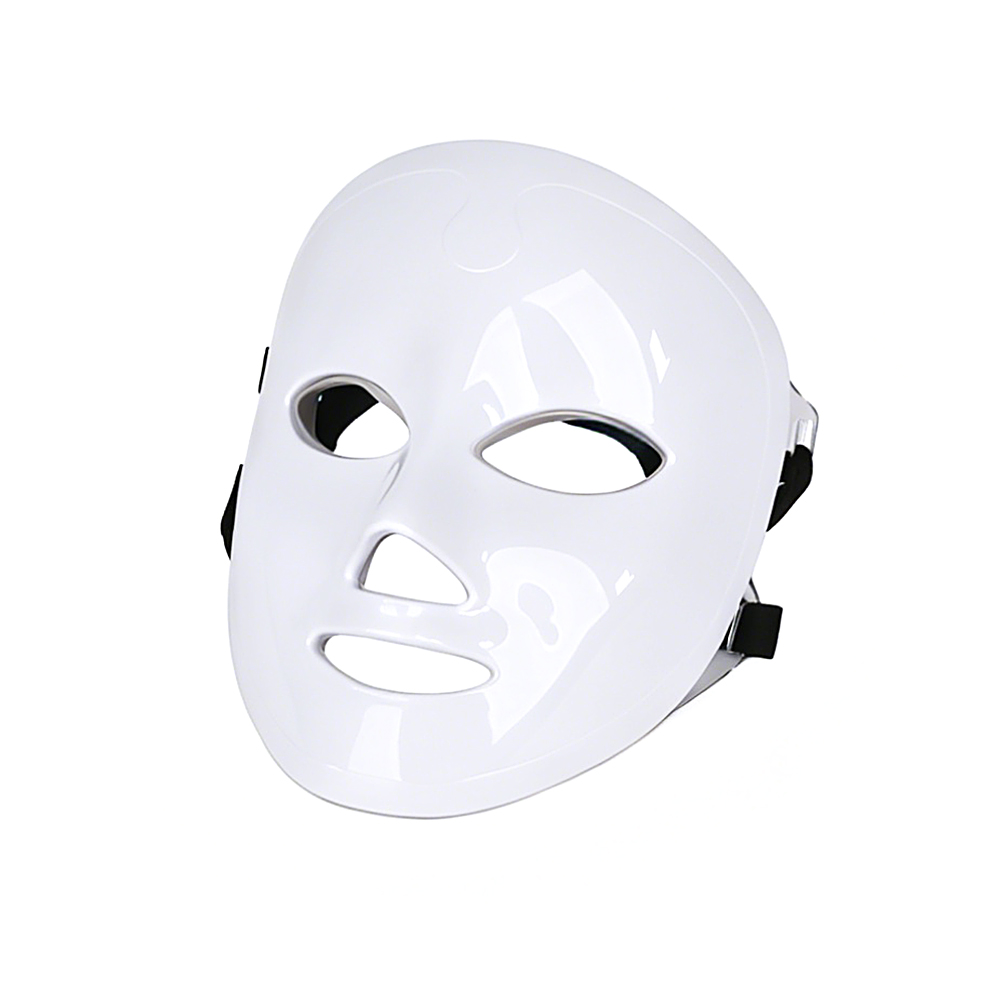
Think all LED face masks are basically the same? A professional device like Omeina changes that math by delivering targeted wavelengths that actually reach the deeper layers of skin, where collagen lives and breakouts start. But benefits don't come from just strapping it on and scrolling TikTok. How long you use each mode, how often you treat, and what you put on your skin beforehand make the difference between a glowy week and a forgotten drawer gadget. Here's what you need to know before your first session.
What a Professional LED Mask Can Actually Do for Your Skin
A professional LED mask isn't just a fancy gadget—it's a targeted light therapy tool that works at the cellular level. Red and near-infrared wavelengths penetrate deep to stimulate fibroblasts, boosting collagen and elastin production. That means smoother fine lines, firmer texture, and a noticeable bounce that topical creams rarely achieve alone.
Blue light, on the other hand, goes after acne-causing bacteria without the harsh dryness of benzoyl peroxide. Many clinical-grade masks combine multiple wavelengths, letting you address inflammation, hyperpigmentation, and dullness in one session. The key is consistency: even ten minutes a few times a week can shift how your skin recovers from daily stress and sun exposure.
What sets professional models apart is calibrated irradiance and medical-grade LEDs, so every diode delivers a clinically relevant dose—not just a pretty glow. You'll notice less redness after a month, tighter pores, and a more even tone. It's not an overnight miracle, but for those willing to commit, a quality LED mask quietly rewrites your skin's baseline.
Red, Blue, or Both? Decoding Light Wavelengths Without the Hype
Strip away the marketing gloss and red light is simply the long-wavelength end of the visible spectrum, spanning roughly 620 to 750 nanometres. Its deeper tissue penetration makes it a workhorse in photobiomodulation, where it nudges mitochondria toward more efficient energy production, and in horticulture it tells plants to stretch, flower, and set fruit. The effect is measurable, not mystical—dose and delivery matter far more than the colour alone.
Blue light, clustered between about 450 and 495 nanometres, barely dips below the skin's surface but excels at disrupting bacterial biofilms, which is why acne wands and clinical LED panels lean on it. For plants, blue wavelengths keep growth compact and leafy by regulating chlorophyll synthesis and stomatal opening. Neither colour is a cure-all; using both together often works better because different photoreceptors respond to different parts of the spectrum, creating a more complete biological signal than either can manage on its own.
How Long and How Often: A Realistic Routine for Busy Schedules
If your calendar is already packed, aiming for three 25-minute sessions a week beats a rigid hour-long plan that falls apart by Thursday. The key is to anchor those sessions to something you already do—like a quick strength circuit right after your morning coffee or a brisk walk before lunch. Ten focused minutes still count if you push the pace and stick with it.
For endurance or strength gains, two longer workouts (around 40 minutes) plus one short, intense interval session often fits better than five or six days of moderate effort. That mix gives your body enough stimulus without eating into evenings or weekends. If a day implodes, just shift one session to the next morning instead of writing off the whole week.
The routine that works is the one you can repeat when life gets messy. So pick a minimum you can defend—say 15 minutes, three days a week—and treat anything extra as a bonus. Consistency at a modest dose will outperform sporadic heroics every time.
The Pre-Session Step Most People Skip (and It Matters)
Most people walk into a session already mentally rehearsing their talking points. They show up with a full agenda in their head, ready to dive in. But they skip the one thing that actually sets the tone: a quiet minute to notice how they feel about the conversation they're about to have. Not what they want to say, but what's sitting underneath it. That small shift changes everything.
Before your next session, try this. Put your phone away, close your eyes, and ask yourself one question: "What am I hoping to feel when this is over?" Don't chase the answer. Just let it surface. You might catch a flash of relief, or a knot of dread. Hold it without judgment. That tiny moment of honesty gives you a clearer starting point than any agenda ever could. It's the difference between getting through a session and actually using it.
Signs You're Using the Wrong Intensity or Duration
If every workout leaves you completely drained, sore for days, and dreading the next session, your intensity or duration is probably off. This kind of constant fatigue doesn't build fitness; it digs a hole that gets harder to climb out of. Watch for poor sleep, a resting heart rate that's higher than usual, or getting sick more often. These are early warnings that your body isn't recovering from what you're asking it to do.
Another clear sign is when your performance stalls or even drops despite consistent training. You might feel like you're pushing hard, but your times get slower, your lifts feel heavier, and you can't hit the same numbers you used to. That plateau often means you're doing too much at the wrong intensity, so your body stays in a stressed state instead of adapting. Backing off for a week or shortening your sessions can bring the progress back faster than grinding through it.
Don't ignore the mental side either. If you start finding excuses to skip workouts, feel irritable on rest days, or lose the excitement you once had, that's your nervous system asking for a break. Proper intensity should leave you feeling energized after most sessions, not wiped out. The right duration is the one you can repeat consistently week after week while still seeing gradual improvements.
Visible Changes Timeline: What to Expect at 2, 4, and 8 Weeks
At two weeks, the shift is rarely dramatic enough to announce itself. You might notice less tightness in the treated area, a faint change in texture, or that your usual routine suddenly feels a bit easier. These are the quiet wins—barely there shadows of what’s coming, easy to dismiss if you’re not paying attention.
By week four, the signs stop being so shy. Friends might ask if you’ve done something different, though they can’t quite place it. The surface looks more even, your energy around the change feels steadier, and the mirror starts to show a version of you that no longer needs a filter or a forgiving angle.
At eight weeks, the timeline stops feeling like a waiting game. The difference becomes part of your baseline—visible in photos, in how clothes fit, or in the way you catch your reflection without flinching. Not every day feels like a milestone, but when you compare today to the start, the progress is impossible to unsee.
FAQ
It usually comes down to the number of LEDs, the wavelengths they emit, and the power output. Professional-grade masks tend to use medical-grade LEDs that deliver consistent energy density, so you get deeper penetration without hot spots. Cheaper models often have fewer diodes or uneven coverage, which means you might need longer sessions for weaker results.
Most people see some improvement in texture and redness within two to four weeks if they stick to a regular schedule. For deeper concerns like fine lines or stubborn hyperpigmentation, it can take eight to twelve weeks. The key is consistency—LED therapy builds cumulative effects over time rather than overnight.
Yes, and blue light specifically targets acne-causing bacteria. Red light helps calm inflammation and speed up healing. If you're dealing with a bad breakout, start with shorter sessions every other day to see how your skin responds, and always clean the mask before and after use.
It's best to use the mask on clean, dry skin so the light isn't diffused by product residue. After the session, apply your usual serum or moisturizer—your skin is often more receptive to active ingredients right after light therapy. Avoid photosensitizing ingredients like retinol or citrus oils immediately before a session.
Most professional masks are designed to sit over the eyes, but you should still keep your eyes closed during treatment. If the mask doesn't have built-in eye protection, wear the goggles that usually come with it. Never stare directly into the LEDs, even though the light isn't UV.
A typical session is 10 to 20 minutes, depending on the device. Start with three to four times a week for the first month, then drop down to two or three times a week for maintenance. Overdoing it won't speed up results—your skin needs time to respond to the light signals.
Not exactly. LED masks work well as a complement to other treatments because they stimulate cellular energy and reduce inflammation. They won't resurface the skin like a peel or microneedling, and they won't increase cell turnover like retinoids. Think of it as a supportive tool that makes everything else work better.
Conclusion
A professional LED face mask isn’t a magic wand, but it does deliver real, measurable changes when used with consistency. Red and near-infrared wavelengths penetrate to support collagen production and calm inflammation, while blue light targets acne-causing bacteria. You don’t need both at once—most people see the best results by alternating based on what their skin needs that week. For busy schedules, ten to fifteen minutes, three to five times weekly is enough. The step most people skip? Applying a water-based serum or hydrating toner before the session, which improves light penetration and prevents that tight, dry feeling afterward. Without that prep, even the best mask underperforms.
Watch for signs you’re overdoing it: persistent redness, extra dryness, or a slight tan-like darkening of existing spots all point to too much intensity or duration. Back off to every other day and lower the setting. Visible improvements follow a fairly predictable timeline—brighter skin or fewer active breakouts around week two, smoother texture by week four, and firmer, more even tone by week eight. Some people notice a subtle glow after the first few sessions, but the deeper benefits build slowly. The key is treating the mask like a consistent habit, not a quick fix. Keep expectations realistic, track changes with photos, and adjust frequency according to how your skin reacts rather than chasing a universal protocol.
Contact Us
Contact Person: Tina Liu
Email: [email protected]
Tel/WhatsApp: 8618681405932
Website: https://www.omeinabeauty.com/