

Recommend Metal Shredder for Efficient Scrap Metal Processing
2026-09-22
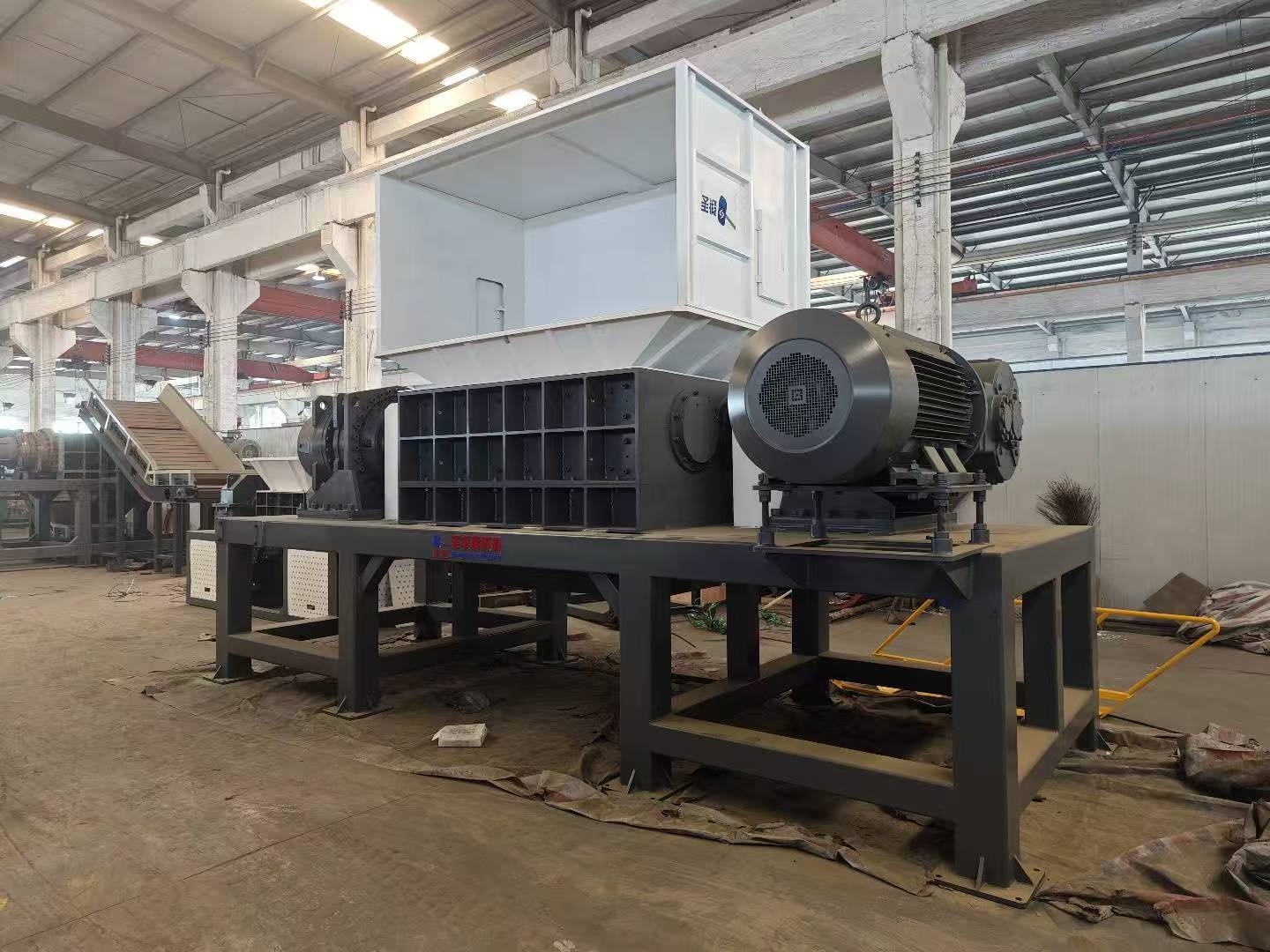
Scrap metal piles up fast—and without the right equipment, turning that mess into profit feels like an uphill battle. If you're still relying on outdated methods or undersized machinery, you're leaving both time and money on the table. That's where a purpose-built metal shredder changes the game. Among the options out there, Shengzhong Shredder has been gaining attention for its ability to handle tough materials without choking or constant downtime. In this post, we'll break down what makes a metal shredder truly efficient, and why investing in the right one can transform your scrap processing workflow.
Shredder Features That Actually Matter for Your Scrap Yard
When you're running a scrap yard, the spec sheet only tells half the story. The features that genuinely keep your operation moving are the ones you notice after the first month of daily use. A shredder's rotor design matters more than its horsepower rating — a well-balanced, solid rotor handles uneven feed without shaking itself apart, while a flimsy one turns every load into a gamble. Look for accessible wear parts too. If swapping hammers or liners takes a full shift and a torch, that downtime quietly eats your margins no matter how fast the machine chews through metal.
Feed control is another area where theory and reality diverge. A shredder that relies on operator guesswork will stall or surge, putting stress on the drivetrain and creating bottlenecks upstream. Features like automatic load sensing and reversible rams aren't gimmicks; they keep the chamber full without overfeeding. Combined with a robust hydraulic system that can handle continuous reversing under load, this turns an ordinary shredder into something your crew actually trusts on a busy Monday morning.
Dust and debris management rarely make the brochure headline, but they define the working environment. A machine that throws fines everywhere creates cleanup hours, safety hazards, and premature wear on surrounding equipment. Integrated suppression systems, sealed bearings, and strategic discharge chutes reduce that mess before it becomes your problem. Pay attention to how the shredder handles unshreddables too — a quick-reject feature or a torque limiter prevents catastrophic jams and keeps a stray axle from turning into a half-day repair.
Cutting Down Processing Time with the Right Machine Design
A machine built around a single rigid frame often forces operators to slow down for tool changes, part repositioning, or awkward access points. By opting for a modular design with quick-release fixtures and adjustable work zones, shops routinely shave minutes off each cycle without sacrificing rigidity. The key is to treat setup time as part of the machining cost, not as an unavoidable pause between cuts.
Another overlooked factor is chip evacuation and coolant flow. When chips accumulate near the cutting edge, the operator either pauses the run to clear them or accepts reduced tool life and surface finish. A slanted bed with strategically placed washdown nozzles keeps the work area clear, allowing the spindle to run longer at optimal parameters. That alone can turn a 40-minute batch into a 30-minute one.
Finally, think about how the operator interacts with the control panel and loading station. A machine that requires walking around the enclosure to load a heavy part or bending awkwardly to read the screen adds non-value motion to every cycle. Ergonomic placement of the control, a waist-height loading tray, and a well-positioned door handle might seem like minor details, but over a thousand cycles they represent hours of recovered production time.
From Sheet Metal to Engine Blocks: Matching Feedstock to Shredder Type
Light-gauge scrap like sheet metal, stamping skeletons, and car body panels behaves more like a tough, flexible mat than a rigid solid. It tends to wrap around rotors, pile up between cutters, and resist gravity flow through the chamber. Low-speed, high-torque dual-shaft shredders or single-shaft machines with a hydraulic ram often handle this material well because the cutting action is primarily shear, not impact. The ram keeps thin pieces engaged with the cutters, while a screen controls particle size and prevents long strips from passing through unfinished.
Cast iron engine blocks, transmission housings, and thick steel sections are a different animal. Their mass and brittleness call for machines that deliver sudden fracture rather than gradual slicing. Hammer mills or heavy-duty four-shaft shredders with hardened wear parts can break these castings into manageable chunks without stalling. Here, rotor weight and breaker bar clearance matter more than knife sharpness, since the goal is to shatter rather than cut.
Most facilities don't process a single feedstock, so the practical approach is to size the shredder for the toughest material likely to appear in the stream. Running engine blocks through a machine built for sheet metal leads to broken shafts and hours of downtime; feeding thin scrap into a hammer mill wastes energy and produces excessive fines. Matching the shredder to the feedstock means looking past average thickness and considering hardness, shape, and how the material fails under stress.
Simple Upkeep Routines That Extend Your Shredder's Working Life
Most shredder failures come down to neglect, not age. A quick pass with a shredder oil sheet after every few uses keeps the cutting blades from gumming up with paper dust and adhesive residue. If you don't have oil sheets, run a sheet of wax paper through once a month—it works surprisingly well for light home shredders.
Pay attention to what you feed it. Staples and paper clips are usually fine, but credit cards, laminated covers, and thick envelopes with glue strips force the motor to work harder than it should. Remove these before shredding, and give the machine a short rest after long sessions rather than running it continuously until it smells hot.
Empty the bin before it's packed to the brim. Cramped paper particles get pulled back into the cutting head, causing jams and dulling the teeth faster. Wipe the sensor eyes with a dry cloth every few weeks—dust buildup there can make the shredder run in reverse or refuse to start, even when nothing is actually wrong.
The Hidden Cost Benefits of Investing in a Heavy-Duty Shredder
The sticker price on a heavy-duty shredder can make a small office pause, but the real savings show up in the first year of daily use. Light-duty machines choke on staples, credit cards, or a stack thicker than five sheets, and every jam costs someone ten minutes of prying, reversing, and re-feeding. A heavy-duty model chews through mixed media without blinking, which means less labor wasted on unclogging and fewer early replacements for burnt-out motors or dulled blades.
Beyond the obvious durability, these machines also trim operating costs in ways that never appear on the invoice. Their larger bins mean less frequent bag changes and lower trash liners usage. Because the motor runs cooler and within its rated duty cycle, it draws power more steadily instead of spiking during overloads, which shows up as a modest but real drop in the monthly electric bill. Over a three-to-five-year lifespan, those quiet savings often exceed the price difference between a standard shredder and a true heavy-duty unit.
Comparing Cutting Mechanisms for Different Metal Waste Streams
Choosing how to cut metal scrap usually comes down to thickness, alloy, and what the downstream process can tolerate. A heavy-duty hydraulic shear works well for thick carbon steel beams and plate, delivering clean, fast cuts without generating much heat. But that same shear will struggle on aluminum or copper, which tend to deform rather than fracture cleanly. For those softer non-ferrous streams, a bandsaw or circular saw makes more sense—slower, but it preserves the material's shape and avoids smearing metal across the cut face.
When mixed scrap includes high-alloy steels or stainless, thermal methods take over. Plasma cutting handles a wide range of thicknesses and leaves a relatively narrow kerf, but it introduces an oxide layer and heat-affected zone that some remelt operations dislike. Laser cutting is cleaner and more precise, yet the capital cost and reflective metal limitations make it impractical for bulk shredder output. Oxy-fuel remains the budget option for very thick ferrous sections, though it's useless on aluminum or copper.
For thin sheet and light gauge material, mechanical options like alligator shears or guillotine shears are often faster than any thermal process. However, if the stream contains mixed metals with unknown alloys, an abrasive saw or even waterjet can be the safest middle ground—cutting through anything without changing metallurgical properties, at the cost of speed and consumables. The real comparison isn't just power or precision; it's how the mechanism handles variability in the incoming scrap.
FAQ
For a mid-sized yard, don't get distracted by brand names. Start with the feed opening and throat size—if the opening can't swallow a flattened appliance or a bundle of sheet metal comfortably, you'll spend more time pre-cutting than shredding. Check whether the cutting chamber has replaceable wear liners and whether the rotor uses bolt-on teeth or solid cast discs. Bolt-on teeth are easier to service but can fly loose under impact; cast discs last longer but cost more to replace. Also ask about the control system: a load-sensing auto-reverse feature will save the motor from stalls when you hit a hidden chunk of steel.
One well-specified shredder can handle both, but you'll change the cutter setup and screen size between jobs. Aluminum is softer and gummier, so it needs sharper cutters and a wider screen to prevent binding. Steel scrap, especially thicker plate or structural pieces, works better with more aggressive hook teeth and a slower rotor speed to avoid work-hardening the metal. If your volume in both materials is high enough to run several hours a day on each, a dedicated shredder for each stream pays off in less downtime and better output consistency. For mixed operations under 20 tons per day, a single heavy-duty machine with quick-change screens is usually the better choice.
Downtime in shredders rarely comes from the motor or gearbox—it comes from worn cutters and loose fasteners. Schedule a 20-minute inspection every 50 operating hours to torque the cutter bolts, check the screen for cracks, and look for uneven wear on the rotor. Keep a spare set of cutters already mounted on a spare rotor if possible; that turns a blade change from a full shift into under two hours. Also monitor the amp draw trend, not just the daily average. A gradual upward drift while processing the same material tells you the cutters are dull and you're wasting energy and putting extra strain on the bearings.
If you're running a single machine with a 400-600 mm rotor diameter and processing loose mixed scrap—think appliances, sheet metal, light structural—you'll realistically see 2 to 5 tons per hour, not the 10 tons some brochures claim. Throughput drops sharply when the feed is wet, oily, or contains a lot of wire and cable. To hit even 4 tons per hour consistently, you need a steady feed system, not just dumping batches with a skid steer. Replacing the screen with a larger opening can push volume up, but you'll sacrifice downstream density and may need a secondary granulation step to get a marketable product.
The biggest surprise is usually freight and rigging for a machine that weighs 15 to 30 tons. You'll also need a properly rated foundation or at least vibration isolation pads, plus a dedicated electrical drop with phase protection. Cutters and screens are consumables—expect to spend 8 to 15 percent of the machine's purchase price per year on replacement parts if you run it daily. Another overlooked cost is dust and fines handling: a shredder creates a lot of airborne particulate, and many jurisdictions require a dust collection system before you can get an operating permit. Factor in a spare parts kit from day one, because waiting three weeks for a replacement shaft can kill a month of revenue.
Single-shaft machines usually work best for lighter, more uniform scrap like aluminum cans, copper wire, or thin sheet. They produce a more consistent particle size but are more sensitive to heavy lumps and can stall if you feed a solid axle or thick plate. Dual-shaft shredders handle mixed, bulky, and heavy scrap better because the two counter-rotating shafts grab and tear material instead of relying on a single rotor against a static screen. The downside is that dual-shaft output is often stringier and less uniform unless you add a secondary granulator. If your incoming scrap varies a lot in shape and hardness, start with a dual-shaft; if you're pre-processing a known, sorted stream, a single-shaft is simpler and cheaper to maintain.
At minimum, insist on an emergency stop system with cable pulls along the entire feed conveyor and access platforms, plus a lockout/tagout procedure that actually disconnects the main power, not just the control circuit. The feed hopper should have a mechanical barrier or light curtain that stops the ram if a person or large tool enters the opening. Flywheel guards and coupling guards need to be bolted, not hinged, because hinged guards get left open. For explosion risk from fuels or lithium batteries, you'll want temperature sensors on the rotor bearings and an automatic fire suppression system inside the discharge chute. Don't rely on a single PLC safety relay; hard-wired safety circuits are still the standard for a reason.
Yes, and the difference shows up fastest in your maintenance bill. Removing sealed containers—propane tanks, shock absorbers, aerosol cans—prevents explosions inside the chamber that can warp screens and crack shafts. Pulling out electric motors and transformers stops copper windings from wrapping around the rotor and welding themselves to the shaft. A quick visual sort of a load before it hits the conveyor can cut cutter wear by 20 percent and reduce unexpected shutdowns by half. You don't need a fully clean feedstock, but taking out the known troublemakers in 30 seconds saves you a two-hour teardown later.
Conclusion
A scrap yard runs on throughput, and the right metal shredder does more than chew metal—it rearranges your whole workflow. The features that actually matter are not flashy; they are direct drive torque, reversible cutting chambers, and wear parts you can swap without a crane. That kind of design cuts processing time because material keeps moving instead of backing up at the hopper. Matching feedstock to shredder type is equally important. Light sheet metal and aluminum extrusions feed well through a high-speed hammermill, while engine blocks and heavy mixed scrap need a slow-speed, high-torque shear shredder. Put the wrong material in the wrong machine and you lose hours to jams and blade changes.
Simple upkeep routines extend shredder life more than any expensive upgrade. Checking hydraulic fluid, tightening anvil bolts, and rotating hammers on a schedule keeps a heavy-duty shredder running for years. The hidden cost benefit is real: a machine that costs more upfront often pays for itself through fewer downtime events, lower energy per ton, and better resale value. Comparing cutting mechanisms helps fine-tune the decision. Single-shaft grinders produce uniform chips but struggle with dense castings; twin-shaft shear shredders handle mixed waste streams but leave larger pieces; four-shaft designs offer precise sizing at a slower pace. Choosing based on your actual metal mix, not a brochure, is the surest way to get efficient scrap metal processing. A recommended shredder is the one that fits your feedstock, your crew, and your daily tonnage—not the one with the biggest motor.
Contact Us
Contact Person: Leon
Email: [email protected]
Tel/WhatsApp: 8615385558866
Website: https://www.shred-waste.com