
Self Storage Unit Factory: Simplifying Production for Modern Storage Solutions
2026-07-28
The rising demand for self-storage has reshaped how facilities approach expansion and efficiency. At the heart of this shift is the modern self storage unit factory—a powerhouse turning raw steel into sleek, durable storage solutions faster than ever. But not all factories are built alike, and choosing the right partner can make or break your project timeline. That’s where NORTON steps in, redefining what it means to streamline production without cutting corners. From automated roll-forming lines to precision welding, the right setup doesn’t just deliver units—it delivers peace of mind. Here’s what truly sets a forward-thinking factory apart in today’s competitive landscape.
Streamlined Manufacturing for Modular Storage
Building modular storage starts with a lean production process that reduces bottlenecks and improves lead times. Instead of relying on traditional batch workflows, we use cellular manufacturing setups where cross-trained teams handle multiple assembly stages. This eliminates transfer delays and makes it easier to spot quality issues early. Work instructions are visual and updated directly on the line, so adjustments happen in real time without stopping the flow.
Material flow is designed around the modular concept itself. Standardized base frames, shelves, and connectors arrive pre-kitted to each station, minimizing handling and picking errors. Kanban systems trigger replenishment automatically when bins run low, keeping inventory tight without risking shortages. Because components are shared across a wide range of SKUs, changeovers between product variants are measured in minutes, not hours—operators simply swap out fixtures and follow the next job on the electronic work queue.
Every unit moves through a sequence of assembly, inspection, and packaging in a continuous line, with built-in quality checks that don’t slow things down. Automated torque drivers and smart cameras verify fastening and alignment at each step, logging data that helps flag any drift before it becomes a problem. The result is a build process that’s both fast and consistently accurate, delivering ready-to-use storage modules that customers can set up without fumbling with missing parts or misaligned holes.
Smart Design Meets Industrial Efficiency
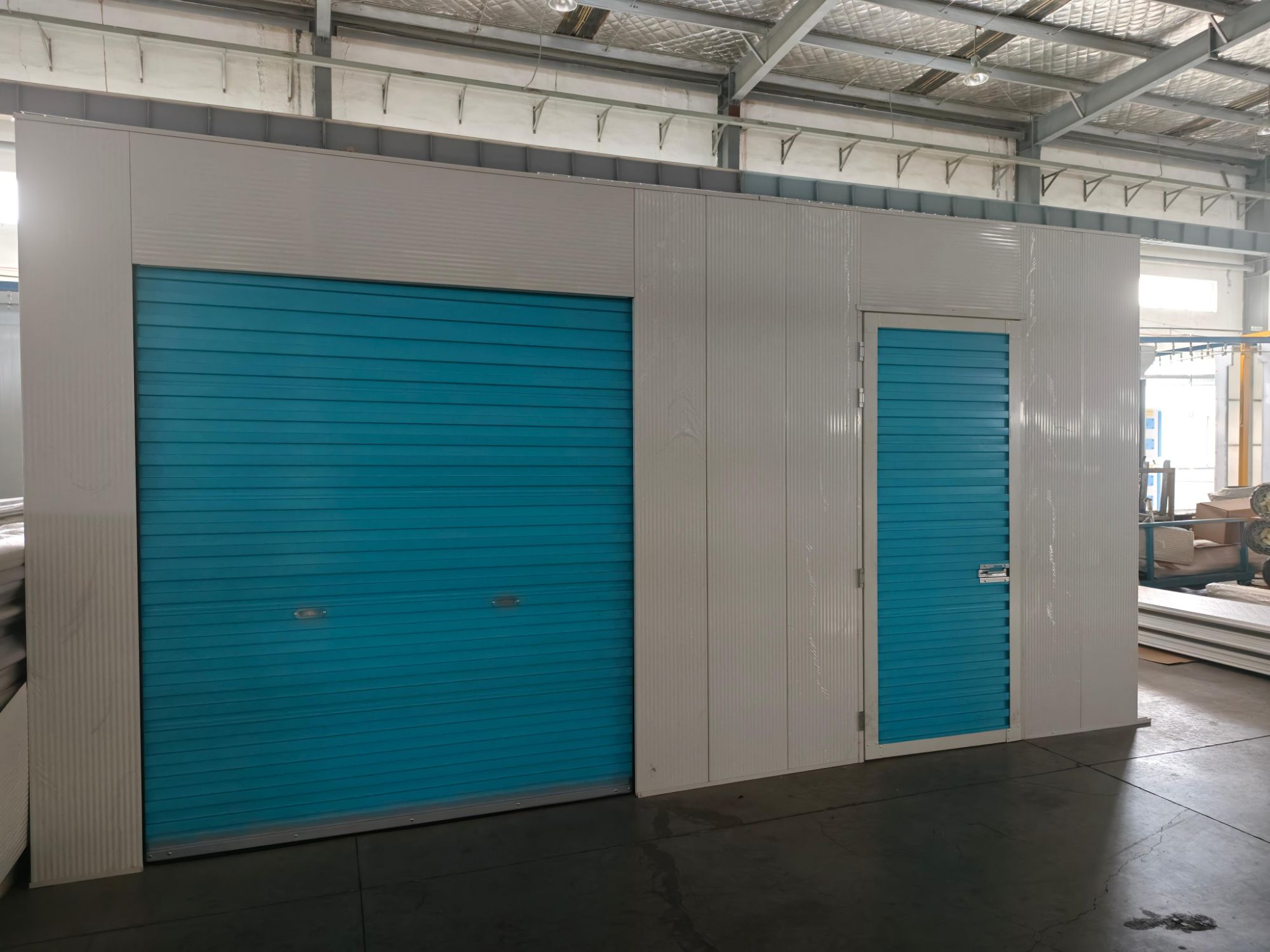
Where thoughtful engineering intersects with rugged practicality, a new standard emerges for workspaces that work as hard as the people in them. Every line and component is shaped not just by aesthetics but by the relentless demand for output, minimizing waste without compromising the durability needed in demanding environments. The result is a seamless marriage of intuitive forms and robust function, where a cleaner visual language actually amplifies productivity rather than distracting from it.
This approach strips away the nonessential, leaving only what serves a purpose—whether it’s a control interface that reduces operator error or a material choice that extends equipment life cycles. The efficiency isn’t hidden behind a sleek facade; it’s built directly into the design logic, making maintenance simpler and workflows more fluid. By treating every detail as an opportunity to streamline, the end product feels less like a machine and more like a natural extension of the industrial rhythm.
Consider the integration of modular components that allow for rapid reconfiguration without specialized tools, or surfaces engineered to resist corrosion while providing tactile feedback that improves safety. These aren't just incremental upgrades—they’re quiet revolutions in how design can preempt exhaustion and downtime. When smart design genuinely embraces industrial realities, it doesn’t just look better; it performs better, turning the shop floor into a space where precision and endurance coexist effortlessly.
Precision Engineering Behind Every Unit
Every component is crafted with a meticulous attention to detail that borders on obsession. From the initial CAD modeling to the final assembly, each step is governed by tolerances measured in microns. Advanced CNC machinery, paired with real-time optical inspection systems, ensures that no deviation goes unnoticed. The result is a product where every gear, every circuit path, and every structural joint aligns with a level of accuracy typically reserved for aerospace applications.
From Raw Steel to Ready-to-Rent
It starts with raw steel beams and sheets, fresh from the mill—nothing special to look at yet, just potential stacked in the yard. Our team sees beyond the rough edges. They know which grades will become the spine of a warehouse and which will lend sleek lines to a pop-up retail space. Every piece is tagged, tracked, and traced from the moment it arrives, building the first chapter of its story.
In our workshop, the transformation happens fast but never rushed. Skilled hands and precision machines cut, weld, and coat until that steel becomes something instantly recognizable: a modular frame, a roof truss, or a whole expandable container. We don’t just assemble; we refine. Each component passes through a checklist that would make an engineer blush—then it’s off to the finishing bay, where it gets sealed against rust, wear, and whatever weather the job site throws at it.
The real payoff comes when a client walks into the rental yard and sees their project waiting. No peeling paint, no mystery dents—just clean, solid units ready to be loaded onto a truck. It’s the moment raw steel becomes something reliable, something they can build on. And because we hold our fleet to standards that most would call overkill, that steel doesn’t just look ready—it stays ready, job after job.
Meeting Market Demand with Agile Production
Shifting consumer preferences and shorter product lifecycles have made rigid manufacturing schedules a liability. Agile production enables companies to pivot quickly without sacrificing quality or cost efficiency. By embracing modular workflows and cross-trained teams, manufacturers can reallocate resources in real time, ensuring that what rolls off the line aligns with what customers actually want right now.
Technology plays a crucial supporting role but never overshadows human judgment. Real-time data from shop floors and supply chains feeds into adaptable planning systems, allowing for smarter, faster decisions. Rather than chasing every trend, successful operators use this visibility to identify patterns early, adjusting output in ways that feel proactive rather than reactive. The result is a production cadence that moves in step with genuine demand signals.
Perhaps most overlooked is the cultural shift required to make agility stick. It demands trust at every level—frontline workers empowered to flag issues, managers who welcome course corrections, and partners willing to collaborate on compressed timelines. When these elements align, the entire value chain becomes more resilient. Meeting market demand stops being a scramble and becomes a continuous, deliberate rhythm.
The Future of Self Storage Construction
The self storage industry is on the brink of a construction revolution, driven by rapid urbanization and shifting consumer expectations. As available land in prime locations shrinks, developers are turning to vertical expansion and multi-story facilities that blend seamlessly into mixed-use communities. This architectural evolution isn't just about height—it's about reimagining the storage facility as a functional, design-forward asset that complements its surroundings rather than hiding behind industrial fencing.
Material science and modular techniques are radically compressing project timelines while enhancing durability. Prefabricated steel and cross-laminated timber components allow for erection in weeks instead of months, and embedded IoT sensors now form the backbone of a building's nervous system—monitoring humidity, temperature, and structural stress in real time. These smart systems reduce maintenance costs and create an interactive layer that customers have come to expect in every other facet of their lives. Concrete and metal are no longer passive; they actively participate in the facility's daily operations.
Sustainability has moved from buzzword to baseline requirement, with net-zero energy designs becoming table stakes for new builds. Solar arrays and green roofs are now standard, while rainwater harvesting systems serve non-potable needs like climate control and landscape irrigation. Even the most utilitarian corridors are being lit by LED systems that adjust to natural light levels, and electric vehicle charging stations are considered as essential as interior lighting. In the coming years, the facilities that will stand out are those that embrace biophilic design principles—introducing natural light, ventilation, and living walls to transform sterile hallways into calming, customer-centric environments that build loyalty through experience, not just square footage.
FAQ
We manufacture modular storage units designed for residential, commercial, and industrial use. Each unit is built with durable materials and can be customized in size and layout to fit specific needs.
By using automated assembly lines and pre-engineered components, we cut down on manual labor and production time. This allows us to deliver high-quality units faster without compromising on strength or reliability.
Absolutely. Our design team works with you to match your specifications, whether you need non-standard dimensions, specific color schemes, or added features like ventilation and security locks.
We primarily use galvanized steel for the frame and panels, as it offers excellent corrosion resistance and structural integrity. For doors and interior trim, we often use aluminum or powder-coated steel depending on the requirement.
Yes, they're engineered to withstand harsh weather. The galvanized finish and sealed joints protect against rust and moisture, making them ideal for outdoor storage yards or exposed sites.
Turnaround times vary based on order size and customization, but typically we complete production within 3–6 weeks. Shipping is arranged promptly once the units pass quality inspection.
We provide both. While many clients choose to handle installation themselves using our detailed guides, we also have a team that can manage on-site assembly if you prefer a turnkey solution.
Conclusion
Modern self storage unit factories are reshaping how storage facilities come to life. Rather than relying on scattered job-site construction, they apply streamlined manufacturing techniques to produce modular units with remarkable consistency. Smart design principles guide every step, ensuring that components fit together seamlessly while maximizing usable space. Behind each panel and frame lies precision engineering—computer-controlled cutting, robotic welding, and rigorous quality checks eliminate the variability of traditional builds. Raw steel enters the factory floor and, within days, emerges as a finished, rent-ready unit that only needs anchoring on site.
This factory-driven approach does more than speed things up; it lets operators respond nimbly to shifting market demand. Whether a customer needs climate-controlled storage, drive-up access, or mixed-use configurations, agile production lines switch over without the delays that plague bespoke construction. The result is a faster, leaner path from blueprint to occupancy, reducing both cost and environmental waste. As the self storage industry continues to evolve, factory-built solutions are set to become the backbone of new development—offering a future where high-quality storage space can be deployed almost as quickly as the need arises.
Contact Us
Contact Person: Cyril He
Email: [email protected]
Tel/WhatsApp: 8613969697307
Website: https://cqyqgd.en.alibaba.com/