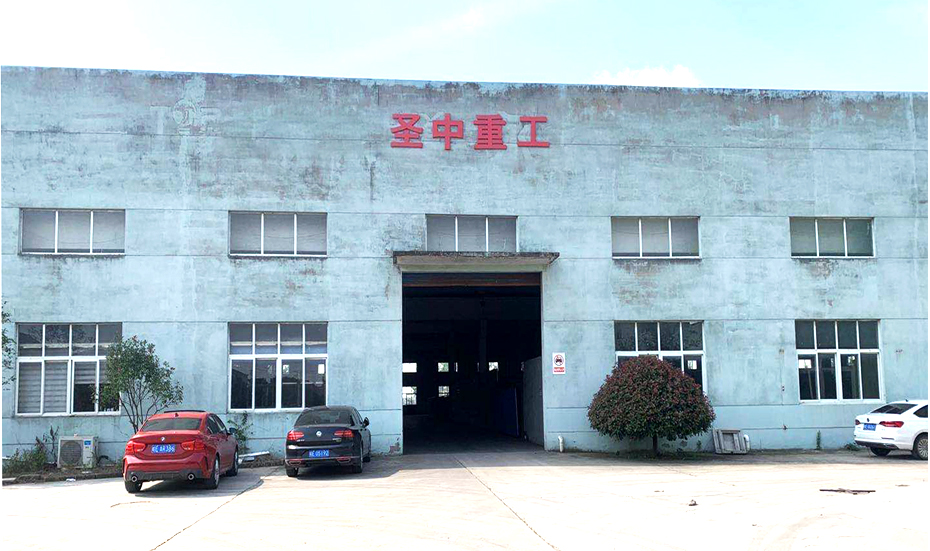

Single Shaft Shredders in China: A Comprehensive Guide to Efficient Material Processing
2026-04-11
In the dynamic landscape of China's manufacturing and recycling sectors, efficient material processing has become a cornerstone of sustainable operations. As industries strive to optimize waste management and resource utilization, single shaft shredders emerge as pivotal equipment, offering robust solutions for handling diverse materials. This comprehensive guide delves into the intricacies of these machines, exploring their design, applications, and the competitive advantages they bring to businesses across the region. We'll provide insights into market trends and operational best practices, helping you navigate the complexities of selecting the right shredder for your needs. At the heart of innovation in this field, brands like Shengzhong Shredder are leading the charge with advanced technologies tailored for efficiency and durability. By integrating cutting-edge features, they set new standards in performance, making material processing not just effective but also more cost-efficient. Whether you're involved in plastics recycling, waste management, or industrial production, understanding the role of single shaft shredders can unlock significant operational benefits. As we embark on this journey, prepare to uncover practical tips and expert advice that will empower you to enhance your processing capabilities. Stay tuned to learn how these shredders are transforming industries and why staying ahead of the curve matters in today's competitive environment.
Understanding the Core Mechanics of China's Single Shaft Shredders
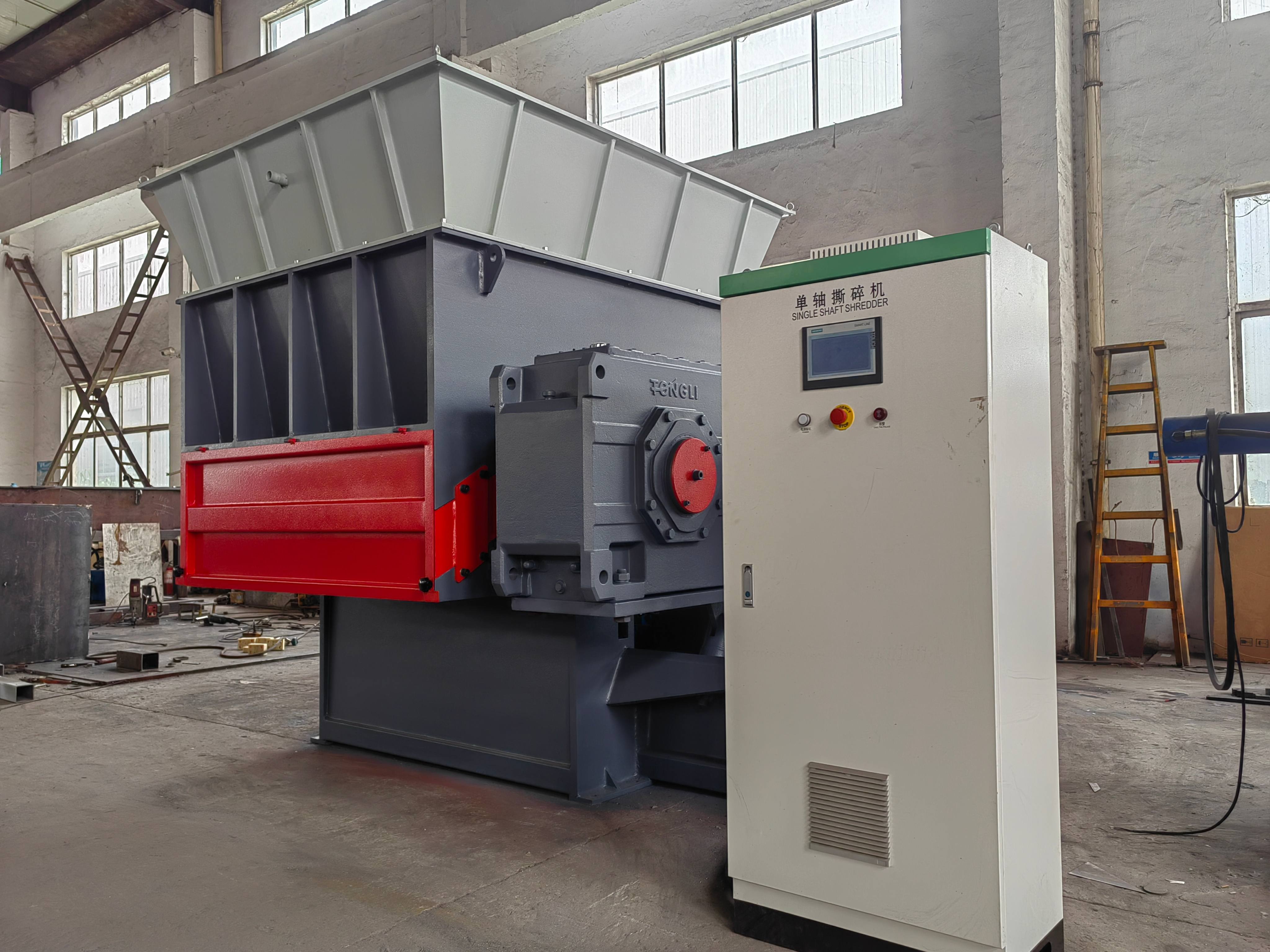
Chinese single shaft shredders are engineered with a focus on robustness and efficiency, typically featuring a high-torque motor and a durable rotor with sharp blades that can handle tough materials like plastics, metals, and waste. The core mechanism revolves around the single, rotating shaft that applies shearing force, reducing large items into uniform particles for recycling or disposal. This design allows for precise control over output size and minimal energy consumption, making it a popular choice in industries requiring reliable waste processing.
A key aspect of these shredders is their adaptability to various input materials, achieved through customizable blade configurations and adjustable drive systems. Manufacturers often incorporate safety features such as overload protection and automated reversal to prevent jams, enhancing operational reliability. By focusing on durability and low maintenance, Chinese models stand out in the global market, offering cost-effective solutions without compromising on performance or longevity.
Innovations in these shredders include the integration of smart controls and noise reduction technologies, which improve user experience and environmental compliance. The single shaft design, while simpler than dual-shaft alternatives, excels in applications where space is limited or material consistency is key, providing a streamlined solution that meets diverse industrial demands. This mechanical simplicity paired with advanced features underscores China's commitment to evolving shredder technology for sustainable resource management.
Key Applications and Material Types for Efficient Processing
In industries ranging from aerospace to consumer electronics, efficient processing is vital for cost reduction and performance enhancement. Key applications include additive manufacturing, where precise material deposition minimizes waste, and semiconductor fabrication, which relies on high-throughput techniques to meet demand. Robotics and automation also benefit greatly by optimizing workflows with minimal downtime, ensuring continuous production cycles and improved reliability.
Diverse material types play a crucial role in achieving these efficiencies. For instance, polymers and composites are favored for their lightweight properties and ease of molding, reducing energy consumption during fabrication. Metals like titanium and aluminum alloys offer strength and durability, enabling faster machining processes that cut production times. Advanced ceramics and nanomaterials further push boundaries by allowing ultra-precision in applications such as medical devices and energy storage systems.
To stand out in today's competitive landscape, it's essential to integrate tailor-made solutions that adapt to specific material behaviors and application needs. Emphasizing innovation in processing techniques—like hybrid methods combining traditional and digital approaches—can lead to unique advantages. Focusing on sustainability through recyclable or bio-based materials not only boosts efficiency but also aligns with growing environmental considerations, setting a benchmark in the field.
Advantages of Chinese Single Shaft Shredders in Industrial Settings
Chinese single shaft shredders have gained significant traction in industrial settings due to their robust design that effortlessly handles tough materials like plastics, metals, and wood. Unlike some international models requiring frequent downtime, these machines feature advanced cutting mechanisms that reduce wear, ensuring continuous operation without compromising efficiency. This durability translates to lower maintenance costs and fewer interruptions, making them a reliable choice for demanding industries such as recycling and manufacturing.
Another standout aspect is the adaptability of these shredders to various outputs, from fine granulation to coarse shredding, which many competitors struggle with. By incorporating customizable blade configurations and variable speed controls, Chinese manufacturers allow operators to precisely tailor the process to specific material needs, enhancing overall productivity and material recovery rates in diverse industrial applications.
Moreover, the competitive edge extends to innovative safety features and user-friendly designs that simplify operation while meeting stringent industrial standards. With integrated automation options and real-time monitoring systems, these shredders not only boost throughput but also minimize risks, making them a smart investment for businesses aiming to optimize their waste management and material processing workflows.
Innovative Features and Technological Advancements in These Machines
One standout aspect of these machines is their integration of adaptive learning algorithms, which allow them to fine-tune operations based on real-time data inputs, resulting in enhanced efficiency and reduced downtime. By employing predictive maintenance, these systems proactively identify potential issues before they escalate, offering a seamless user experience that sets them apart from conventional models.
Another key innovation lies in their use of advanced materials, such as lightweight composites and corrosion-resistant alloys, which not only increase durability but also contribute to energy savings. Coupled with intuitive touchscreen interfaces and customizable settings, users can easily configure the machines to meet specific needs, blending high-tech functionality with user-friendly design.
Additionally, connectivity features, including IoT-enabled sensors and cloud-based data analytics, enable remote monitoring and control, allowing for smarter decision-making and improved overall performance. This holistic approach to technological advancement ensures that these machines remain cutting-edge in an increasingly competitive market.
Maintenance Tips and Best Practices for Long-Term Performance
Keeping your equipment running smoothly for years isn't just about fixing things when they break; it's a proactive approach that pays off in reliability and cost savings. Start by creating a regular inspection schedule tailored to your specific gear—whether it's a machine on a factory floor or software on your servers. Check for wear and tear, update software patches, and monitor performance metrics closely. This isn't just ticking boxes; it's about catching small issues before they snowball into major downtime, ensuring your operations hum along without a hitch.
Beyond routine checks, think about the environment your tools operate in. For physical assets, this means keeping them clean and properly lubricated, while digital systems thrive with optimized settings and minimal clutter. Don't forget to train your team on best practices; a well-informed crew can spot anomalies early and handle maintenance tasks efficiently. It's like giving your equipment a bit of TLC—consistent care that extends its lifespan and keeps it performing at its peak, saving you from costly replacements down the line.
Finally, document everything you do. Keep a log of inspections, repairs, and any tweaks made over time. This isn't just paperwork; it's a valuable resource that helps you spot patterns, plan upgrades, and ensure continuity if staff changes. By blending vigilance with smart habits, you build a foundation for enduring performance that adapts as your needs evolve, making maintenance less of a chore and more of a strategic advantage.
Comparing Top Manufacturers and Models Available in the Market
If you're navigating the crowded marketplace of [product type], understanding the major players and their standout models can make all the difference. Brands like [Manufacturer A] have built a reputation for [specific feature or quality], with models such as the [Model X] often praised for [its durability or innovation]. Meanwhile, [Manufacturer B] tends to focus on [another aspect like affordability or sleek design], offering options like the [Model Y] that appeal to [target audience]. This comparison helps highlight what sets each apart beyond basic specs.
Delving deeper, it's not just about who makes it but how each model performs in real-world scenarios. For instance, the [Model Z] from [Manufacturer C] might excel in [area like energy efficiency], whereas a competitor's [Model W] could shine in [another area like user interface]. Personal anecdotes from users often reveal nuances like ease of maintenance or customer support quality, which specs sheets don't always cover. By weighing these factors, you can avoid getting swayed by flashy ads and focus on what truly matters for your needs.
In the end, comparing manufacturers and models is less about finding a one-size-fits-all winner and more about matching your preferences to the right fit. Consider how [Manufacturer D]'s latest release, the [Model V], integrates with [technology or ecosystem], or why [Manufacturer E]'s classic [Model U] remains a favorite despite newer entries. Keeping an eye on industry trends and user reviews can guide you toward a choice that feels tailored, ensuring you invest in something that's not just top-rated but right for you.
FAQ
Single shaft shredders utilize a rotating shaft with cutting blades to tear and reduce materials into smaller pieces through a shearing action, efficiently handling a wide range of materials like plastics, wood, and metals for recycling or disposal.
In China, these shredders offer benefits such as high durability, energy efficiency due to advanced motor designs, and customization options to meet specific industrial needs, enhancing productivity in sectors like waste management and manufacturing.
While versatile, single shaft shredders are best suited for bulkier, softer materials like plastics and rubber; for extremely hard or fibrous items, pre-processing or specialized models might be required to avoid damage.
Maintenance is generally straightforward with accessible components, but regular blade sharpening and inspection are crucial to prevent wear, similar to or slightly less frequent than dual-shaft systems depending on usage intensity.
Key factors include material type and volume, power requirements, space constraints, budget, and after-sales support from local suppliers to ensure reliability and compliance with regional standards.
Yes, innovations like intelligent control systems, noise reduction technologies, and enhanced safety mechanisms are increasingly common, making these machines more efficient and user-friendly in diverse applications.
Conclusion
China's single shaft shredders have evolved significantly, driven by advanced core mechanics that ensure robust material processing. These machines typically feature a high-torque, slow-speed design, allowing for efficient shredding of diverse materials while minimizing energy consumption. Understanding their mechanics reveals a focus on durability and precision, with many models incorporating heavy-duty construction and optimized cutting systems. This foundational knowledge sets the stage for exploring their wide-ranging applications and technological advancements, making them a cornerstone in modern industrial recycling and waste management.
From plastic and wood to metal and electronic waste, Chinese single shaft shredders excel in handling various material types, offering distinct advantages in industrial settings such as reduced downtime and enhanced safety features. Innovations like smart control systems and noise reduction technologies further boost their appeal, while proper maintenance—including regular blade inspections and lubrication—ensures long-term performance. When comparing top manufacturers and models, factors like customization options and after-sales support become crucial, highlighting how these shredders not only meet but often exceed global standards for efficiency and reliability in material processing.
Contact Us
Contact Person: Leon
Email: [email protected]
Tel/WhatsApp: 8615385558866
Website: https://www.shred-waste.com