

Split Butterfly Valve Vendor Guide: Key Factors to Choose a Reliable Partner
2026-09-04
Choosing the right split butterfly valve vendor is more than a procurement checkbox—it’s a decision that ripples through your entire process line. A valve that fails prematurely or underperforms can halt production, compromise safety, and inflate maintenance costs. Yet with so many suppliers claiming excellence, how do you separate genuine reliability from slick marketing? In this guide, we cut through the noise and focus on the factors that actually matter: material integrity, sealing performance, lead times, and after-sales support. Along the way, we’ll also highlight how AVM approaches these challenges, giving you a concrete benchmark for evaluating any partner. Whether you’re upgrading an existing system or specifying valves for a new build, this is your practical starting point.
Where a Split Butterfly Valve Purchase Usually Starts to Unravel
The first sign of trouble often appears during the technical clarification phase, when the buyer focuses on face-to-face dimensions and flange ratings but forgets to pin down the actual differential pressure the valve will see under throttling conditions. Split butterfly valves handle on-off duty well, but if the process calls for frequent partial opening, the disc and seat can wear unevenly. Another overlooked point is whether the media contains fines or fibers that can lodge between the disc edge and the seat, leading to leakage long before the expected service life.
Material compatibility is another spot where things quietly fall apart. A vendor might quote a standard EPDM or NBR seat because it fits the generic datasheet, but the actual stream may include trace solvents, acids, or heat swings that cause swelling or cracking within weeks. Once the valve arrives and the seat material is wrong, replacing it means splitting the body on site—often without the required lifting gear or clean-room conditions. The purchase unravels not because the valve is defective, but because the original inquiry never listed the full chemical composition or temperature spikes.
Installation space gets underestimated more often than most engineers admit. A split butterfly valve is shorter than a lug or wafer pattern in some configurations, but it still needs room to separate the two halves for maintenance. If the valve sits tight against a pump discharge or an elbow, the maintenance crew may not be able to pull the body apart without cutting pipe. Smart buyers send photos of the actual pipe run and ask for the required clearance around the valve, not just the catalog drawing with a generic dimension callout.
Reading the Body Casting and Disc Alignment Before the Quote
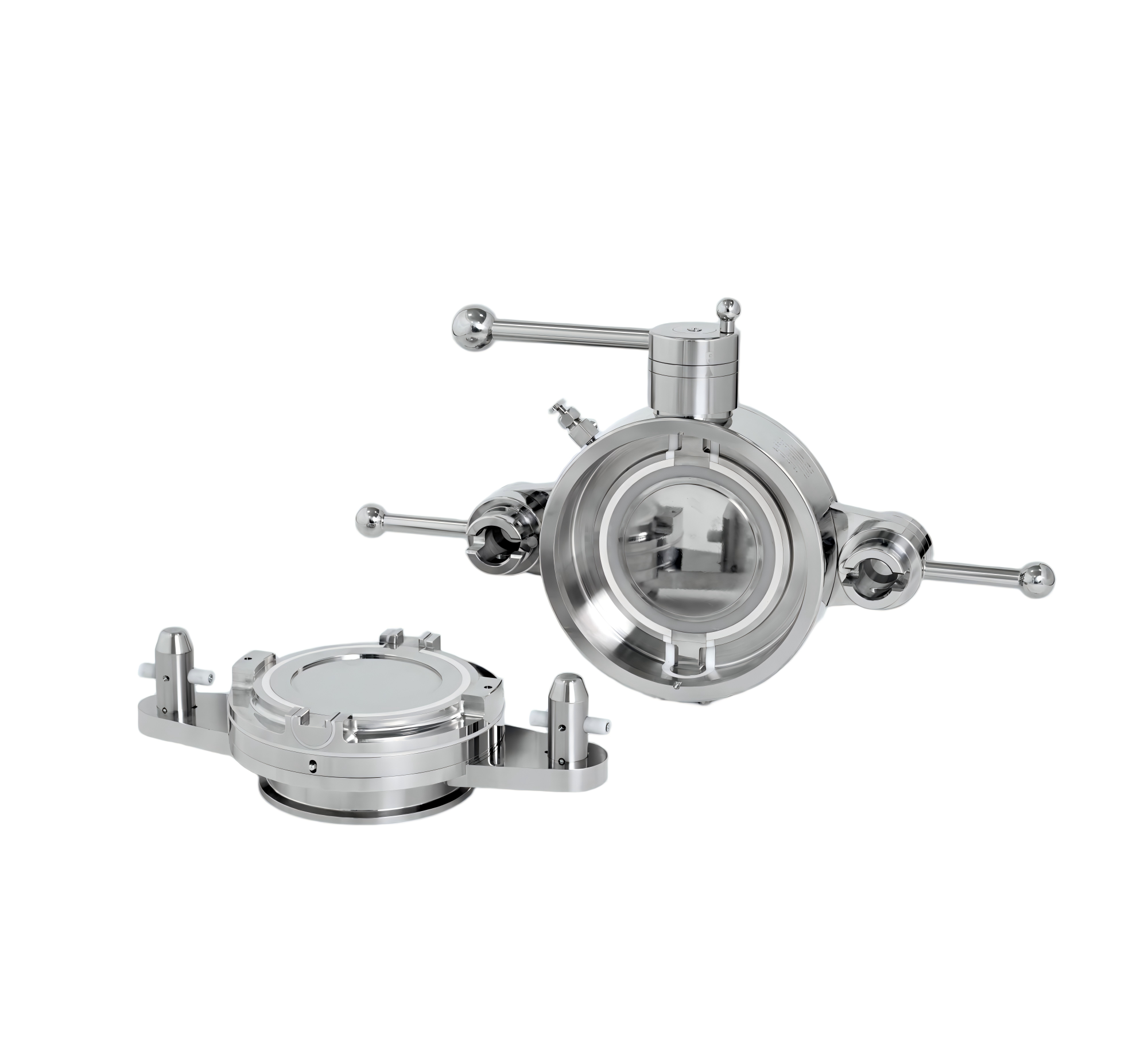
A quick look at the casting tells you more than the part number stamped on the box. Run your fingers along the ribs and mounting bosses; old molds leave distinct telltales, and a fresh casting with clean edges usually means the component has not been reworked. If the body shows uneven flash or a repair weld, that changes the quote before you even check the disc.
Disc alignment is where most guesswork shows up. Set the dial indicator on the hub face first, then rotate the disc and watch the needle. More than a couple thousandths of runout at the outer edge will push the pads back and give a soft pedal. If the customer is chasing a vibration, you need to know whether the disc is warped, the hub is out of true, or the mounting surface has rust scale before pricing the job.
Do not skip this step when the quote depends on labor time. A body casting with a shifted core or a disc that will not sit flat turns a simple pad swap into machine work, and that has to be in the estimate. Reading both together keeps the number honest.
Seal Material Claims That Fall Apart After a Few CIP Cycles
Plenty of seal suppliers will tell you their material can shrug off hundreds of clean-in-place cycles. The reality on the floor is often messier. After just a handful of hot caustic washes followed by acid rinses, some seals start showing surface cracks, hardening, or swelling. That means leaks, product contamination risks, and maintenance crews pulling apart lines far more often than anyone planned for.
The core issue usually comes down to overstated chemical compatibility. Certain EPDM or fluoroelastomer grades pass static immersion tests without a problem, but throw in the repeated thermal shock and aggressive cleaning agents of real CIP operations, and their cross-linked structure breaks down quickly. Many operators mistake the resulting damage for poor installation or mechanical wear, when the seal material itself simply wasn't built for that environment.
A practical way to avoid getting burned is to ask for actual CIP cycle test data from the manufacturer, not just a brochure spec sheet. Look for peroxide-cured compounds or specialty filled materials designed specifically for repeated cleaning exposure. They tend to hold up far better, and you'll spend less time chasing leaks that no amount of retorquing will fix.
The Test Reports and Certificates Vendors Hope You Never Ask For
A surprising number of vendors would rather talk about their shipping speed or customer service than hand over a complete set of test reports. The documents that matter most — third-party lab results, batch-specific material certifications, and regulatory compliance letters — are exactly the ones that get 'misplaced' or take an extra two weeks to appear. That delay is not a coincidence; it is often a sign that the product barely passed, or worse, was never tested under the conditions you assumed.
Ask for a UL or CE certificate and you might get a one-page summary with no test data behind it. Request REACH or RoHS declarations for electronics and you may receive a template from the vendor's website rather than a lab report tied to your specific order. Some sellers even cite 'confidentiality' to avoid sharing the full chain of documentation, hoping you will accept their word instead. The harder it is to get a certificate that should be standard for the industry, the more carefully you should look at the actual product.
The smartest buyers do not ask for these documents after placing an order; they ask before any money changes hands. If a vendor cannot produce a genuine, traceable test report within a reasonable time, that gap tells you more about their quality process than any marketing claim ever will. Treat missing certificates as a red flag, not a minor administrative hiccup.
Lead-Time and Communication Patterns That Predict Supply Risk
Supply disruptions rarely appear without warning. In many cases, the first signs show up in two places: how long suppliers take to deliver, and how they communicate when delays emerge. Long or inconsistent lead-times don't automatically mean a supplier will fail, but they can reveal deeper problems like capacity constraints, poor planning, or dependence on unreliable sub-suppliers. Tracking these patterns over time gives procurement teams a clearer sense of which relationships are stable and which might need closer attention.
Communication can be just as telling. Suppliers who respond quickly with specific, actionable updates tend to be easier to work with when disruptions occur. In contrast, vague reassurances, delayed replies, or frequent last-minute changes often precede missed deadlines. When both lead-time variability and weak communication appear together, the likelihood of a supply failure rises. Teams that monitor these signals can adjust sourcing strategies earlier, build buffer inventory where needed, and avoid being surprised by a supplier's sudden inability to perform.
Turning a First Sample Order into a Dependable Spare Parts Pipeline
That first sample order usually lands on your desk with a mix of excitement and skepticism. You check the specs, measure the tolerances, maybe run a test fit on an older machine. But turning that one-off shipment into a steady flow of spare parts takes more than just reordering the same SKU. It starts with documenting what actually worked: the supplier's lead time from that first order, any adjustments made after initial inspection, and the real-world performance once the part went into service.
From there, build a simple rhythm. Set a minimum stock level based on actual consumption rather than guesswork, and agree on a reorder trigger with the supplier before you're desperate. A quick call or email after that first install—asking how the part held up and whether they can hold a few units in reserve—often shifts the relationship from transactional to dependable. You're not just buying parts anymore; you're shaping a supply chain that reacts to your equipment's needs.
The real test comes months later, when that same part fails unexpectedly on a weekend shift. If your documentation is clear, your stock levels are honest, and the supplier already knows your urgency patterns, the replacement arrives without drama. That's when a sample order stops being a trial and starts functioning as the backbone of your maintenance routine.
FAQ
Look beyond glossy brochures. A dependable supplier typically shows deep process knowledge—they ask about your media, pressure fluctuations, and cleaning routines instead of just quoting a part number. They also stand behind their valves with documented lifecycle testing and responsive field support.
It matters more than most buyers realize. In-house engineers can adjust seat materials, disc profiles, or actuator mounts without routing every change through a third party. That shortens lead times and produces a valve that actually fits your process rather than a near match.
Focus on certifications that match your operating environment. For hygienic applications, look for FDA-compliant seals and surface finish reports. For hazardous areas, ATEX or IECEx ratings on actuators are non-negotiable. ISO 9001 is a baseline, but it does not guarantee application-specific competence.
Request full material certificates for the body, disc, shaft, and seals—not just a generic statement. Ask if the vendor can provide heat numbers, elastomer batch data, and surface roughness measurements. This level of traceability makes audits easier and helps you investigate any unexpected wear or contamination.
Simulate a real problem. Call their technical support line with a specific question about seal replacement or torque settings and see how quickly you reach someone who can help. Also ask for a sample of their maintenance manuals and spare parts list. Vendors with weak documentation often have weak follow-up support.
Most processes eventually need some deviation, whether it's a special end connection, a different disc material, or an unusual actuator interface. A vendor that only pushes standard items may leave you stuck during a retrofit. Choose a partner that treats custom work as a normal part of the conversation, not an exception with heavy surcharges.
Watch for vague references that only mention a leading food manufacturer without details you can verify. Strong vendors can usually connect you with a client in a similar industry and describe specific challenges, such as handling abrasive slurries or maintaining sterility during frequent CIP cycles. Also be wary of case studies that focus only on price savings and ignore downtime or maintenance costs.
Conclusion
Most split butterfly valve sourcing efforts start to fall apart long before metal is cut. Buyers who skip a hands-on review of the body casting and disc alignment often find themselves locked into a design that leaks or jams after installation. Look closely at the casting finish, the lug face flatness, and the disc-to-seat concentricity before accepting a quote. Equally important is the seal material claim: many suppliers quote impressive chemical compatibility charts, yet the elastomer turns brittle or swells within a few clean-in-place cycles. Ask for actual CIP simulation data, not just brochures.
Once a shortlist is formed, shift your attention to the documentation vendors hope you never request. Full material test reports, hydrostatic test certificates, and surface finish records should be standard, not a favor. Watch how the supplier handles lead-time revisions and technical questions; slow, vague responses often predict supply risk months later. Finally, treat the first sample order as a pilot run for spare parts continuity. Confirm that the vendor maintains traceable lot numbers and can ship identical replacement discs and seals without re-engineering. That discipline turns a one-off purchase into a dependable pipeline.
Contact Us
Contact Person: Ananda
Email: [email protected]
Tel/WhatsApp: 8619016718200
Website: https://www.wzaomi.com