
Top HDPE Geomembrane Liner Choices for Superior Environmental Protection
2026-08-05
When it comes to safeguarding our environment from hazardous leaks and contamination, the choice of lining material can make or break a project. High-Density Polyethylene (HDPE) geomembrane liners have emerged as the gold standard for everything from landfill caps to mining ponds, thanks to their unmatched chemical resistance and durability. Yet not all HDPE liners are created equal—selecting the right one demands a keen eye on thickness, texture, and installation reliability. That’s where JInseed Geosynthetics Solution steps in, offering precision-engineered liners that don’t just meet industry benchmarks but redefine them. In this article, we’ll cut through the noise and explore the top HDPE geomembrane choices that deliver superior environmental protection without compromise, helping you make an informed decision for your next containment challenge.
Why HDPE Liners Lead the Way in Environmental Safety
High-density polyethylene (HDPE) liners have become a cornerstone of modern environmental protection strategies, largely due to their unmatched chemical resistance and low permeability. Unlike traditional materials such as clay or PVC, HDPE liners create a virtually impermeable barrier that prevents hazardous leachates from seeping into the soil and groundwater. This property is especially critical in industries like mining, waste management, and agriculture, where the stakes of contamination are incredibly high. The molecular structure of HDPE provides long-term stability even when exposed to aggressive chemicals, acids, and hydrocarbons, ensuring that containment systems remain intact for decades without significant degradation.
Beyond their physical resilience, HDPE liners offer practical advantages that streamline installation and reduce long-term costs. Their flexibility allows them to conform to uneven terrain and settle with the ground, minimizing the risk of stress cracking or punctures. Installation teams can weld large panels together on-site using thermal fusion, creating monolithic barriers with no leak-prone seams. This seamless integration not only speeds up deployment but also enhances the overall integrity of the containment system. Additionally, HDPE liners are engineered to withstand extreme temperature variations, from freezing cold to intense heat, without losing their mechanical properties—a critical factor for environmental safety in diverse climates.
The sustainability profile of HDPE further solidifies its position as a leading choice. These liners are inherently recyclable and can be repurposed at the end of their service life, reducing the environmental footprint of containment projects. Their durability means fewer replacements over time, which conserves resources and minimizes operational disruptions. Field studies have consistently demonstrated that properly installed HDPE liners effectively isolate contaminants for well over 50 years, providing a reliable safeguard for ecosystems and communities. As regulatory standards grow stricter, the reliance on HDPE liners reflects a proactive approach to compliance—one that prioritizes practical, lasting protection over short-term fixes.
The Durability Factor: How HDPE Geomembranes Outlast Alternatives
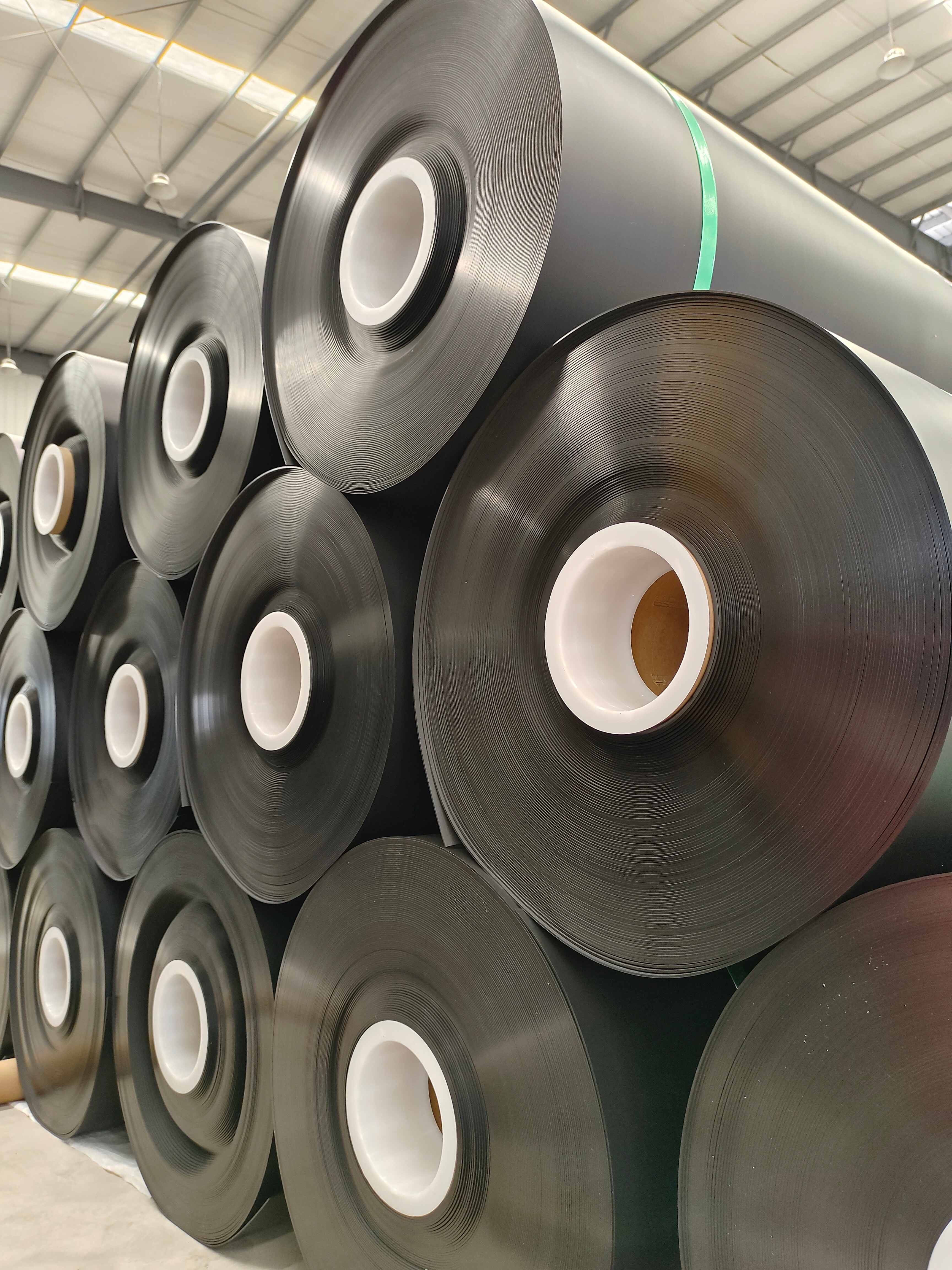
When evaluating long-term lining solutions, the real measure of performance is how a material holds up decades later—not just at installation. HDPE geomembranes stand apart in this regard due to their inherent chemical structure. The high-density polyethylene chains are tightly packed, offering exceptional resistance to a wide range of chemicals, from acidic mine tailings to alkaline industrial wastes. Unlike some other polymer liners, HDPE doesn’t rely on plasticizers that can migrate out over time, gradually turning a flexible membrane brittle. This stability means that an HDPE liner installed twenty or even thirty years ago often retains the majority of its original tensile properties and elongation capacity. In containment applications where replacement is cost-prohibitive or logistically unworkable, that multi-decade reliability isn’t a luxury—it’s a necessity.
Environmental exposure tells the rest of the durability story. Prolonged UV radiation, thermal cycling, and contact with oxygen can degrade many polymeric materials, but HDPE has a proven track record of resistance thanks to the addition of carbon black and advanced antioxidant packages. The carbon black acts as a highly effective UV stabilizer, absorbing and dissipating harmful radiation before it can break molecular bonds. Combined with careful antioxidant formulation, these geomembranes maintain their flexibility and stress crack resistance even under intense sun in desert climates or freeze-thaw conditions in northern containment projects. Independent studies and historical field samples show minimal loss in mechanical properties after decades of exposure, far outperforming alternative materials that may fade, crack, or delaminate under the same conditions.
Beyond the raw material advantages, the durability gap widens when you consider installation and operational stresses. HDPE geomembranes are known for their high puncture and tear resistance, a critical factor when rough subgrades or heavy equipment are part of the equation. Once in service, differential settlement and hydraulic uplift can stress a liner in ways that accelerated lab tests often fail to capture. HDPE’s combination of strength and flexibility allows it to bridge minor voids and conform to shifting substrates without straining beyond its yield point. This ductility, paired with a melt-fusible nature that creates homogenous, leak-free seams, results in a continuous barrier that doesn’t develop weak points over time. In direct comparison with alternatives like PVC, EPDM, or spray-applied coatings, HDPE consistently demonstrates a lifespan two to four times longer when properly specified and installed, making it the benchmark for truly permanent containment design.
Real-World Applications: From Landfills to Water Reservoirs
In modern landfill engineering, the role of impermeable liners has transformed waste containment. By creating a reliable barrier between refuse and the surrounding soil, these systems prevent leachate from contaminating groundwater—a critical function as environmental regulations tighten. The same material science that keeps toxins locked underground also finds its place beneath vast water reservoirs, where it stops precious resources from seeping into the earth.
Switching from waste management to water storage might seem like a leap, but the core requirement remains identical: a durable, puncture-resistant layer that can withstand decades of exposure. Whether lining a reservoir in an arid region to combat evaporation loss or capping a closed landfill to manage gas emissions, the adaptability of these synthetic barriers shines. They perform under extreme temperatures, resist chemical degradation, and flex with ground movement without failing.
Beyond the obvious, these applications extend to mining operations, where heap leach pads rely on similar containment to recover metals while protecting the environment, and to agricultural ponds that secure irrigation supplies. From containing the most hazardous industrial byproducts to safeguarding drinking water, the quiet integration of geomembrane technology into civil infrastructure demonstrates how a single innovation can silently underpin both environmental safety and resource security.
Installation Best Practices for Maximum Leak Prevention
Getting the surface preparation right is often where leaks start—it’s not just about cleaning, but about creating a profile that the gasket or sealant can actually grip. Relying on a quick wipe-down won’t cut it; instead, use a compatible solvent and a non-metallic abrasive pad to remove invisible films or oxidation without gouging the metal. For flanged connections, check for flatness with a feeler gauge across multiple points—uneven surfaces can concentrate stress and open a leak path under pressure.
Torque isn’t just a number you hit once; it’s a sequence. A star-pattern tightening approach, done in graduated steps, evenly compresses the gasket and prevents warping. Many overlook the need for a re-torque after the first thermal cycle—materials settle, bolts relax. Skipping this step can compromise the seal long after the installation crew has left. Also, use calibrated tools, not just an impact gun set on high; over-tightening crushes gaskets just as surely as under-tightening leaves gaps.
Pipe threading and fitting selection deserve more attention than they typically get. Too many wraps of PTFE tape can actually lubricate the threads into over-insertion, cracking the female fitting. Stick to two or three clean wraps, and pair it with a high-quality paste sealant rated for the service fluid. When connecting dissimilar metals, dielectric unions aren’t optional—they’re a shield against galvanic corrosion that can eat through a joint silently. Finally, a low-pressure air test before insulation or burial catches the slow weepers that water tests might miss.
Understanding Thickness and Texture Options for Your Project
Every project carries its own set of demands, and thickness often dictates how a material performs under stress. A thicker gauge can lend structural integrity and longevity, but it might also introduce unnecessary weight or rigidity if the application doesn’t call for it. On the flip side, opting for something thinner can improve flexibility and cut down on costs, yet may sacrifice durability when faced with heavy use. The trick is to think about the real-world conditions your piece will endure—will it hold up against constant friction or support significant loads? Mapping out these expectations early on helps you avoid choosing something that looks good on paper but falls short in practice.
Texture, on the other hand, brings a sensory dimension that numbers alone can’t capture. A smooth, polished surface might feel sophisticated and modern, but it can also show scratches more readily or become slippery when wet. A rougher, matte finish can hide wear and add grip, though it might clash with a sleek design language. There’s also the interplay with maintenance—textures that trap dirt demand more frequent cleaning, while seamless finishes may stay pristine with minimal effort. It’s worth running your hands over samples or picturing how the surface will age over years of handling and environmental exposure.
The real magic happens when thickness and texture are considered together. A thin sheet with a deep embossed pattern can mimic the presence of a heavier material without the bulk, while a thick slab with a softly brushed surface can look delicate despite its heft. The balance you strike depends on the story you want your project to tell—whether it’s about unyielding strength or tactile warmth. Experimenting with these variables early, even through mock-ups or material swatches, can reveal combinations that feel intuitive yet surprising, elevating your work from a standard outcome to something genuinely tailored.
Cost vs. Performance: Making the Smart Investment in Containment
Balancing upfront costs with long-term performance in containment solutions demands a nuanced approach. Too often, businesses focus solely on the price tag, overlooking how a well-engineered system can slash operational headaches and maintenance expenses down the line. It's not about picking the cheapest option, but understanding where each dollar goes—materials, design, or adaptability—and how that shapes reliability under real-world conditions. A minimal investment might pass initial tests, only to fail when pressure spikes or workflows shift, turning a short-term saving into a costly bottleneck.
The real smart money looks beyond the spec sheet, weighing how a containment system integrates with your existing processes. Can it handle the throughput you’ll need in two years? Does its design minimize wear, or will you be swapping out parts every quarter? These questions separate a tactical purchase from a strategic one. Moreover, performance isn't just about raw throughput; it’s about consistency, safety margins, and the hidden labor hours spent on adjustments. A mid-tier solution might actually outperform a premium one if it aligns better with your specific operational rhythm, proving that value is rarely linear. Making a smart investment means acknowledging that the cheapest bid often hides the highest total cost of ownership.
FAQ
Their high-density polyethylene composition creates an almost impermeable barrier, resisting a wide range of chemicals, UV exposure, and stress cracking. This means they reliably keep contaminants out of soil and groundwater for decades.
Thickness depends on the specific risks. For general landfill lining, 1.5 mm is common, but hazardous waste or rough subgrades often call for 2 mm or more. Always consult engineering specs that account for puncture resistance and long-term durability.
Textured surfaces boost friction with soils and geotextiles, improving slope stability. This reduces the chance of slippage in lining systems, particularly on steep inclines, while maintaining the same chemical resistance as smooth sheets.
Yes, but with proper precautions. High-quality HDPE retains flexibility even in cold, and it resists thermal expansion in heat. Welding equipment must be adjusted for ambient temperature and wind, and seams should be tested rigorously to ensure integrity.
Periodic visual inspections are key. Check for tears, punctures, or seam separation, especially after heavy storms or equipment use. Any damage should be patched promptly using extrusion or fusion welding techniques to restore full containment.
Absolutely. HDPE is one of the most recyclable plastics. After removal, cleaned material can be reprocessed into new geomembranes or other products, significantly cutting down on waste and supporting circular economy goals.
HDPE generally offers superior chemical resistance and UV stability compared to PVC. While PVC is more flexible right out of the roll, HDPE holds up far better over decades without becoming brittle or leaching plasticizers.
People often forget about the chemical cocktail in heap leach solutions. It is vital to test the exact chemical blend against the liner's compatibility, as some aggressive solvents or high-acid mixes can degrade standard HDPE over time, requiring a specialized formulation.
Conclusion
HDPE geomembrane liners have become the cornerstone of modern environmental containment, offering an unmatched combination of chemical resistance, impermeability, and long-term stability. In landfills, these liners act as a robust barrier that prevents leachate from contaminating soil and groundwater, while in water reservoirs and mining operations they preserve precious resources and isolate hazardous materials. The material's high-density polyethylene structure inherently resists a wide range of chemicals, UV degradation, and biological attack, ensuring that even under harsh conditions the liner maintains its integrity for decades. Compared to alternatives like PVC or EPDM, HDPE consistently proves its value through lower maintenance needs and reduced risk of catastrophic failure, making it the go-to choice for projects where environmental safety is non-negotiable.
Selecting the right HDPE liner involves careful consideration of thickness, surface texture, and installation quality. Smooth and textured surfaces serve different functions: textured liners provide superior friction for slope stability, while smooth surfaces facilitate cleaning and inspection in tanks or channels. Thickness options, ranging from 30 mil to over 100 mil, must match the mechanical stresses and chemical exposure of the site. Even the best material, however, can underperform if installed poorly. Expert seaming, thorough subgrade preparation, and rigorous testing are essential to eliminate leak paths. By balancing these technical choices with the total lifecycle cost, project managers can achieve a containment solution that not only meets regulatory standards but also delivers enduring environmental protection. This smart investment in quality HDPE liners translates directly into safer communities and healthier ecosystems for years to come.
Contact Us
Contact Person: Jerry Qiu
Email: [email protected]
Tel/WhatsApp: +65 84265294
Website: https://www.jinseed-geo.com