

Window Coverings Solution: Smart Ideas for Light, Privacy, and Style
2026-10-16
Light, privacy, and style rarely agree in one window—until you stop treating coverings as an afterthought. Most solutions force a trade-off: sheer for daylight, heavy drapes for night, or bulky blinds that fight your decor. But what if a single system could shift with your day, not against it? That’s where ROLLERGY rethinks the obvious. From motorized precision to fabrics that filter glare without killing the view, the next few ideas aren’t just window dressing—they’re a smarter way to live with glass.
Layered Sheers and Room-Darkening Shades for Adaptive Light Control
Pairing sheer fabric with a room-darkening shade changes how a space feels throughout the day. The sheer layer softens harsh sunlight and keeps the view outside visible, while the darker panel slides or rolls into place whenever you need to cut glare or block outside light entirely.
This setup works well in bedrooms and media rooms, where afternoon brightness can be pleasant but evening darkness matters for sleep or screen use. Because the two layers operate independently, you aren't forced to choose between an airy room and a cocoon-like retreat — you can shift between both in seconds.
The hardware tends to be simple: one track holds the sheer, another carries the blackout layer, and both respond to a cord, wand, or motor. That simplicity keeps the window looking clean instead of cluttered, even with two fabrics doing different jobs.
Privacy Films That Keep Views While Blocking Glare
Many window films darken rooms or blur scenery, but modern privacy films strike a different balance. They use micro-louver or nano-particle layers that cut harsh sunlight and reflected glare, while preserving a clear line of sight to trees, streets, and sky. This means you can keep blinds open without squinting or losing the outdoor connection.
Instead of relying on a heavy mirror finish, these films employ a subtle tint that filters the brightest part of the spectrum. The result is less eye strain near screens and fewer hot spots on furniture, yet passersby see only a soft reflection rather than a clear view inside during daytime. At night, the effect reverses, so pairing them with sheer curtains or adjustable shades gives round-the-clock comfort.
Installation is straightforward for flat glass, and the films peel away cleanly if you rent or redecorate. Because the adhesive is designed for optical clarity, corners don't bubble or haze over time. Whether you're fitting a sunny home office or a west-facing living room, the goal is the same: hold onto the view, lose the glare.
Motorized Blinds Synced to Your Daily Schedule
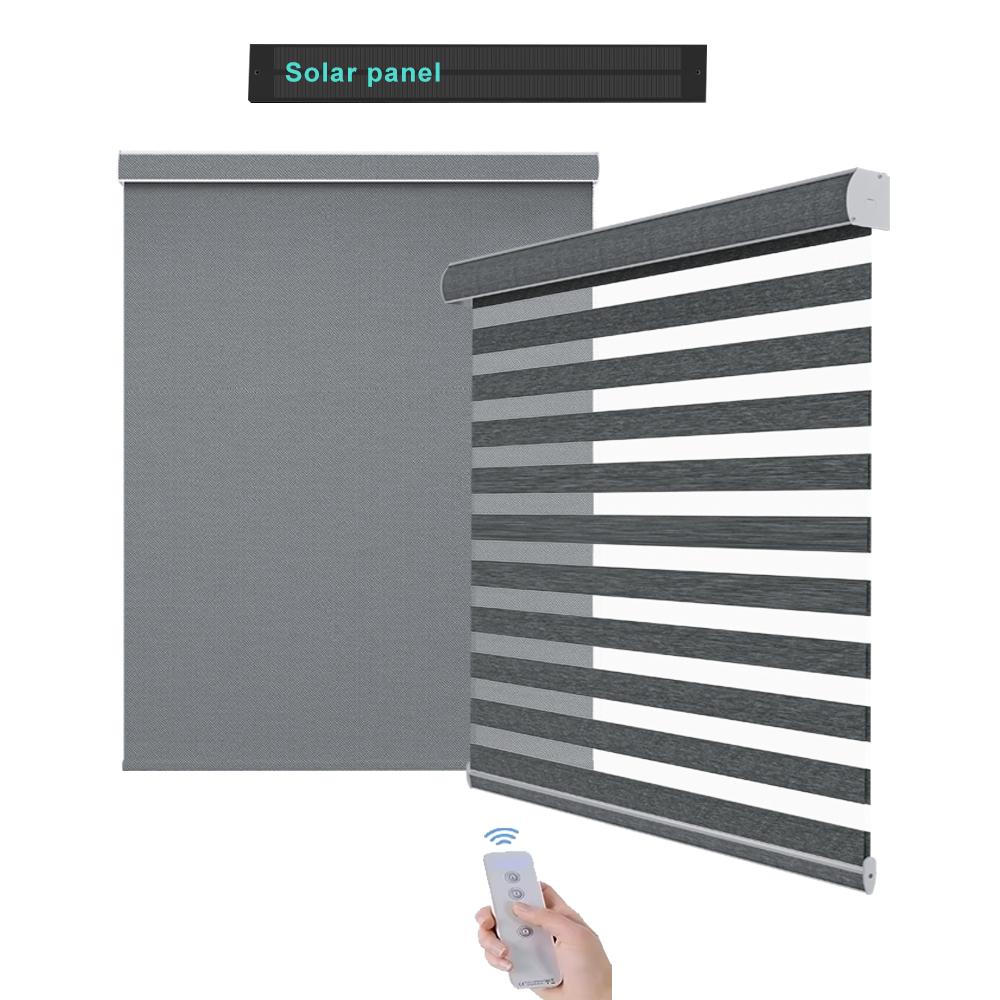
Waking up to sunlight instead of an alarm is one of those small upgrades that changes how the whole morning feels. With motorized blinds tied to your schedule, they start lifting a few minutes before your usual wake-up time, so you're not jolted out of sleep but eased into the day.
The same routine works in reverse later on. As evening approaches and you're winding down, the blinds lower on their own, giving you privacy from the street without having to walk from room to room. If your weekends run on a different rhythm, the schedule can shift too—late nights don't have to mean waking up to full daylight if you'd rather sleep in.
It's not about making the house feel automated for the sake of it. It's more that the adjustment happens quietly in the background, matching how you actually live instead of forcing you to stick to a fixed timetable.
Woven Wood Shades for Organic Texture and Warmth
There's a reason woven wood shades feel like a quiet upgrade to any room. The natural fibers, whether bamboo, jute, or grasses, catch light in a way that flat synthetic materials never quite manage. You'll notice soft shadows dancing across the floor in the late afternoon, and the room suddenly feels less like a showroom and more like a place where you actually want to sit down and stay awhile.
Beyond looks, these shades add a layer of warmth that's hard to put into words until you live with it. The texture is tactile without being fussy, and the earthy tones ground a space that might otherwise feel too sterile. They don't shout for attention, but you'll miss them when they're gone—it's the kind of change that makes you wonder why you waited so long.
If you're after something that feels organic rather than manufactured, woven wood shades deliver. They pair just as well with a worn leather armchair as they do with crisp white walls, and they age gracefully, picking up character over time instead of looking dated. It's not about following a trend; it's about bringing a bit of the outdoors in without sacrificing comfort.
Statement Drapery Panels That Anchor a Room
A room can feel untethered until the windows are dressed with intention. Full-length drapery panels in a confident hue or substantial weave do more than filter light—they give the eye a place to rest and the space a quiet sense of boundary. When the panels extend from just below the ceiling to the floor, they draw the architecture upward and make even modest walls feel deliberate.
The trick lies in choosing weight over flutter. Lined linen, heavy cotton, or a softly napped velvet will fall in straight, unhurried folds that read as calm authority rather than decoration. Neutral rooms benefit from a deep, earthy color at the windows—charcoal, moss, ochre—while a busier space often needs panels that pick up one secondary tone from the rug or upholstery, letting the window become a resolving chord instead of another competing voice.
Placement matters as much as the fabric. Mount the rod wider than the frame so the panels stack back onto the wall, not the glass, and let them skim the floor with the smallest break. This simple adjustment changes the window from a hole in the wall to a composed vertical plane, anchoring the seating area and giving the whole room a steadier posture.
Top-Down Bottom-Up Shades for Flexible Privacy
Unlike conventional roller shades that only move in one direction, top-down bottom-up shades can be lowered from the top, raised from the bottom, or adjusted from both ends at once. This dual movement turns a single window covering into a versatile privacy tool. You might keep the upper section open to let in morning light while the lower half stays covered to block the view from a busy sidewalk. Or you can drop the top section to soften glare on a screen without darkening the entire room.
That kind of control is especially useful in bathrooms, bedrooms, and street-level living spaces where you want daylight without giving up a sense of enclosure. Because the fabric can be placed exactly where it is needed, there is less temptation to close the shade completely and switch on a lamp. Over the course of a day, the same window can shift from bright and open to softly filtered and private with a simple adjustment.
FAQ
Sheer linen panels layered with roller blinds give you flexibility. Keep the sheers closed for soft daylight, then lower the blinds only when you need to block sight lines at night. This pairing also warms up hard edges without making the window feel heavy.
Look for blackout cellular shades with side channels, or wrap-around curtain rods that let drapes tuck against the wall. Even small light leaks around edges can disrupt rest, so fit matters more than fabric weight alone.
They make a real difference. Cellular shades trap air in their pockets, which slows heat transfer in both summer and winter. Adding a low-emissivity lining to drapes also reduces glare and keeps upholstery from fading.
It depends on the mood you want. Flat Roman shades read clean and tailored, while full-height linen curtains add softness. For a true minimalist look, recessed roller shades disappear into the frame but still give crisp light control.
Yes, mount the rod about four to six inches below the ceiling rather than directly above the frame. Run floor-length panels to the floor without a break; the vertical line draws the eye upward and makes the whole room feel more open.
Add a simple valance or a slim cornice over the existing headrail. Swapping the wand for a cordless lift or updating the pull handles is another low-effort change that gives an older blind a much cleaner appearance.
Treat each section as its own unit with individual shades, then soften the entire bay with one continuous curtain rod that bends around the corners. This keeps the architecture visible while giving you independent control over light in each panel.
Conclusion
Light control rarely hinges on a single product. Pairing airy sheers with dense room-darkening shades lets a space shift from sun-washed openness to near blackout without swapping hardware. If the goal is to cut harsh afternoon glare while keeping sightlines intact, adhesive privacy films work quietly—they filter UV and soften reflections yet still frame the street, garden, or skyline. For those who want the room to respond on its own, motorized blinds can be programmed around a real routine: rise with morning alarms, lower during peak heat, close at dusk. The effect feels less like automation and more like the house adjusting with you.
Texture changes the mood just as much as light does. Woven wood shades bring an organic, slightly irregular grain that warms up modern interiors and softens windows with hard architectural lines. When a room needs a focal point, full-length drapery panels in a strong fabric or color can anchor the space and make ceilings feel taller. For tricky sightline situations—think street-facing bedrooms or bathrooms—top-down bottom-up shades offer a clever middle ground: drop them from the top to admit daylight while shielding the lower half. Together, these choices don't just cover a window; they adjust how a home feels hour by hour, balancing comfort, privacy, and style without looking over-designed.
Contact Us
Contact Person: Vivien Cheng
Email: [email protected]
Tel/WhatsApp: +86 13751758835
Website: https://www.rollergytech.com/